The Complete Guide
Pointe Shoes, start to finish.
Going up on pointe is the moment every young dancer dreams about. This is your map to all 20 of our pointe shoe guides: getting fitted, finding shoes for your foot type, sewing and caring for them, and keeping your feet healthy.
Everything a new pointe dancer needs to know
Rising onto pointe is one of the great milestones in a dancer's life, and it is also one of the most misunderstood. Pointe work asks the feet, ankles, and core to carry the whole body on a tiny platform, so getting the shoe, the fit, and the preparation right is not vanity. It is how you dance safely and beautifully for years. This guide gathers our full library of pointe shoe articles into one path, so whether you are waiting for your first pair or troubleshooting a shoe that fights you, you can find the answer fast.
Readiness comes before the shoe
No dancer should buy pointe shoes before a qualified teacher has assessed her in person. Before that first fitting, teachers typically look for:
- Several years of consistent ballet training and a strong grasp of technique.
- Enough strength to hold a clean releve without rolling in at the ankle.
- Stable turnout and a strong, engaged core to control the body over the box.
- Correct alignment through the foot, so weight travels safely to the platform.
Fit is personal, not a brand
There is no single best pointe shoe. Every maker offers variations of the same three box shapes, and the right shoe is the one that matches your foot, not the one your friend wears. A proper fitting looks at box shape, vamp length, width, profile, shank strength, and heel, then confirms the fit with a professional fitter. Choosing by reviews or reputation is the most common and most costly mistake new dancers make.
Then comes the preparation
New shoes are a starting point. Before they are ready to dance in, you will sew on ribbons and elastics, break them in to your foot, and often darn the platform or harden a softening shank. Caring for them well, especially airing them out between classes, is what makes a pair last.
Fitting & Buying
Get the right shoe for your foot.
Demi-Pointe: What It Is and How to Nail It
What is demi-pointe? It's rising onto the balls of your feet in ballet. Here's what demi-pointe means, how it differs from pointe, and how to relevé.
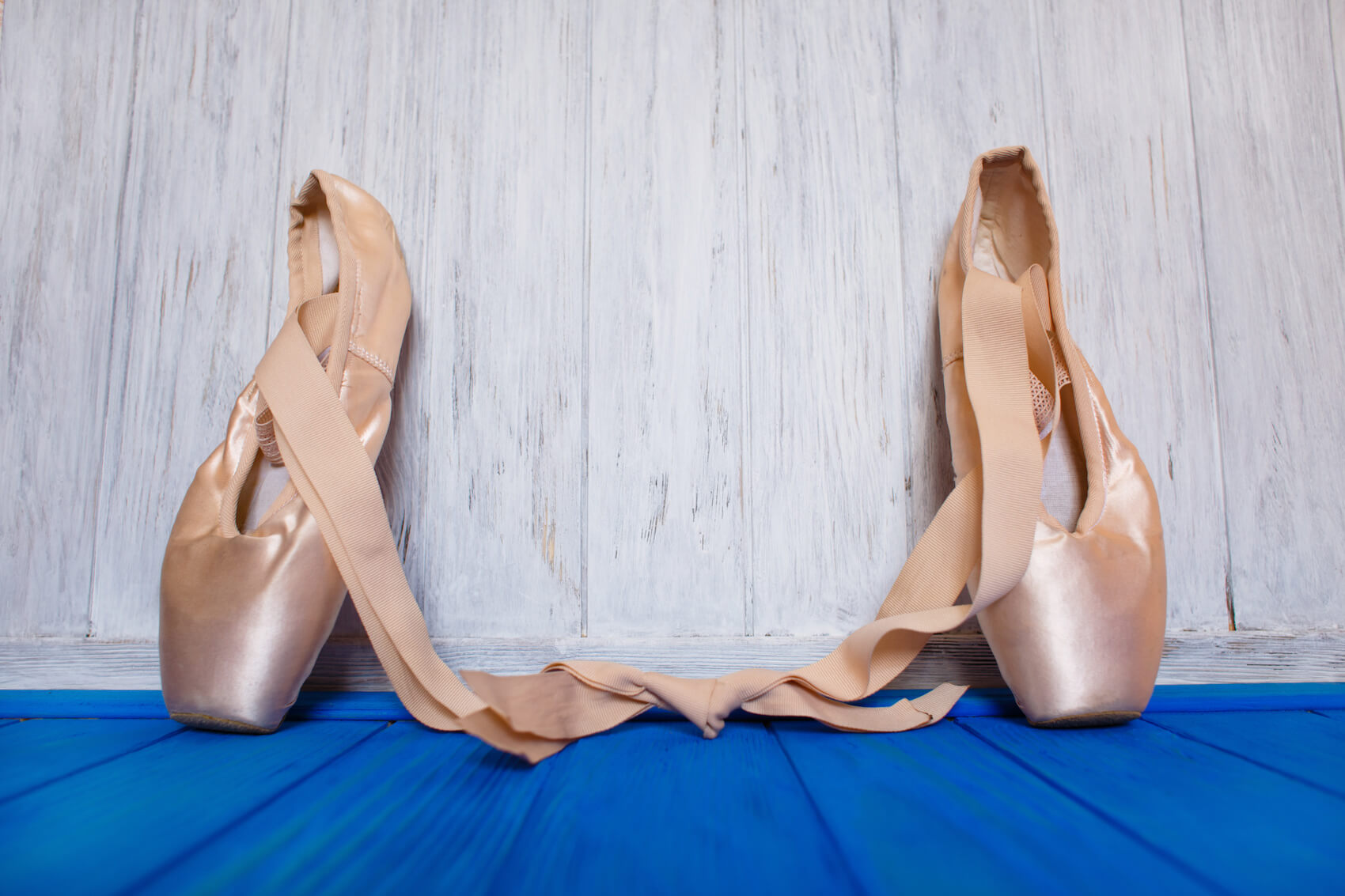
Pointe Shoe Accessories: The Essentials Every Dancer Needs
The pointe shoe accessories that actually matter, from toe pads and spacers to ribbons, elastics, and blister care, and how to use each one.
Average Cost of Pointe Shoes
Are you about to start dancing on pointe? Learn the average cost of pointe shoes, as well as the cost per month, and costs for pointe shoe accessories.
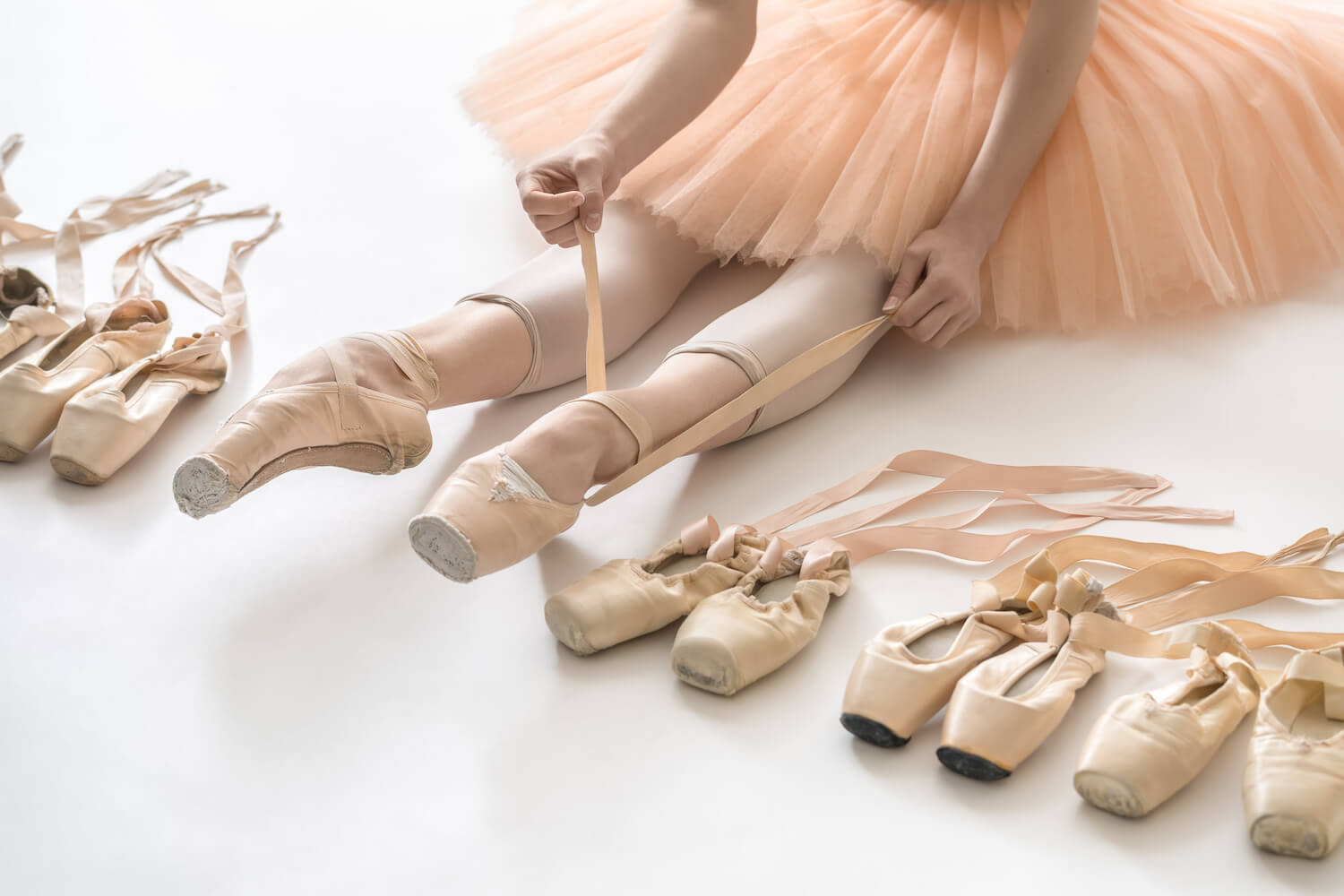
Pointe Shoe Fitting: Complete Guide to Getting the Best Pointe Shoes
A complete guide to pointe shoe fitting: how to find your foot type and choose the right box, vamp, and shank, and how to get properly fitted for your first pointe shoes.
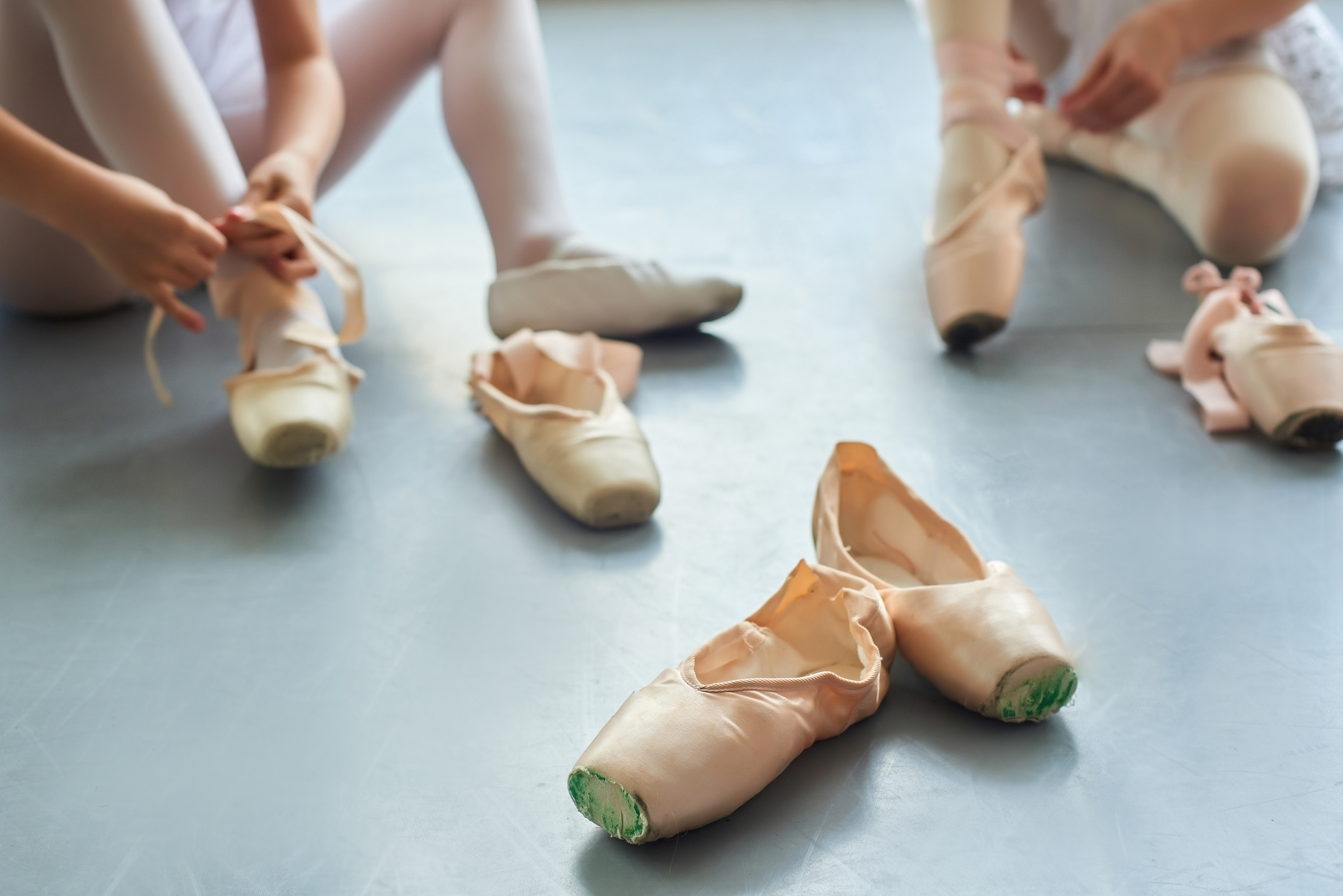
Why Demi Pointe Shoes are Necessary for Every Dancer
Eveyrthing you need to know about demi pointe shoes. Learn about getting fitted for demi pointe shoes, demi pointe shoe brands, and more.
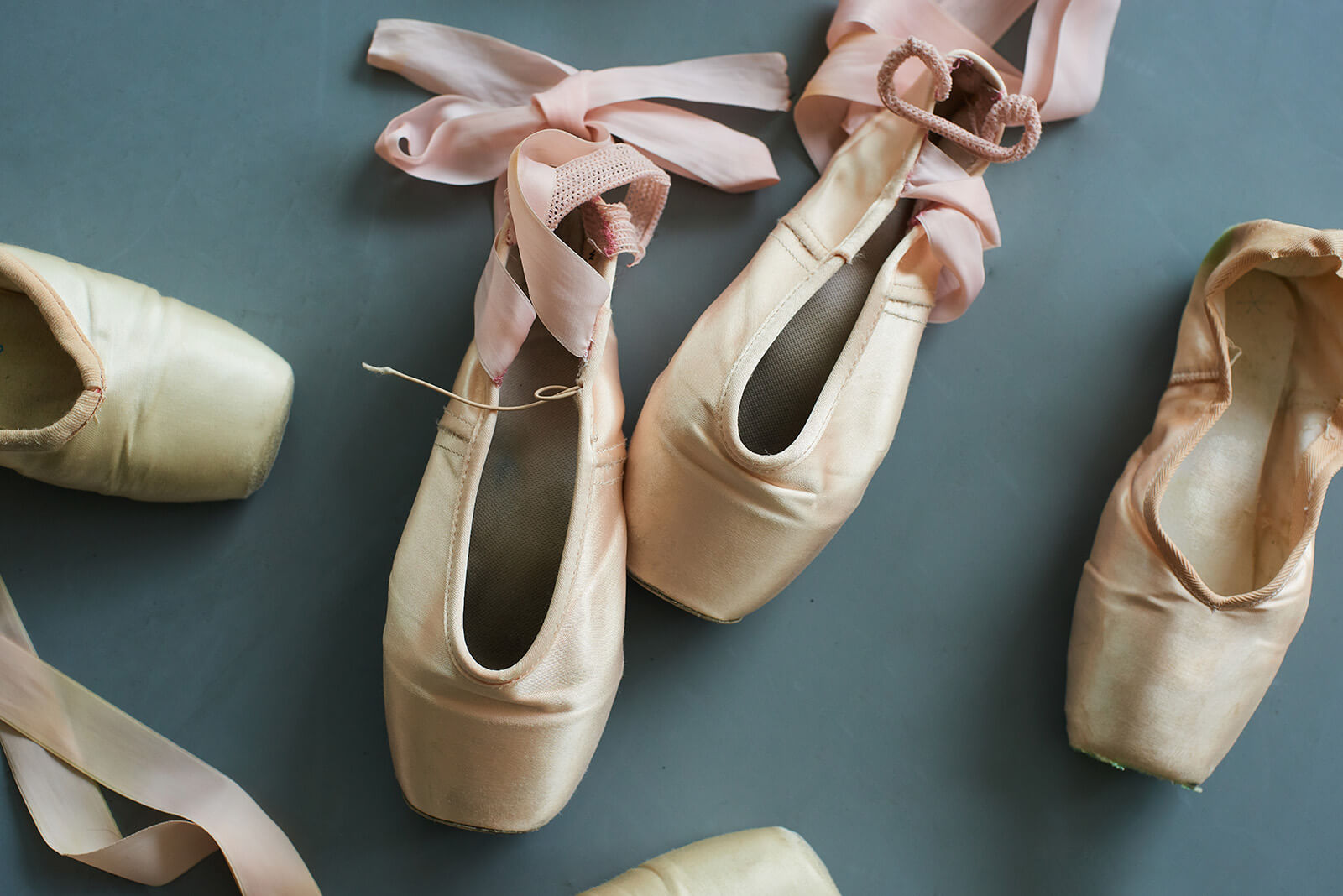
Best Pointe Shoes for Flat Feet
Learn which pointe shoes are best for flat feet, and tips for choosing and modifying pointe shoes if you have flat feet.
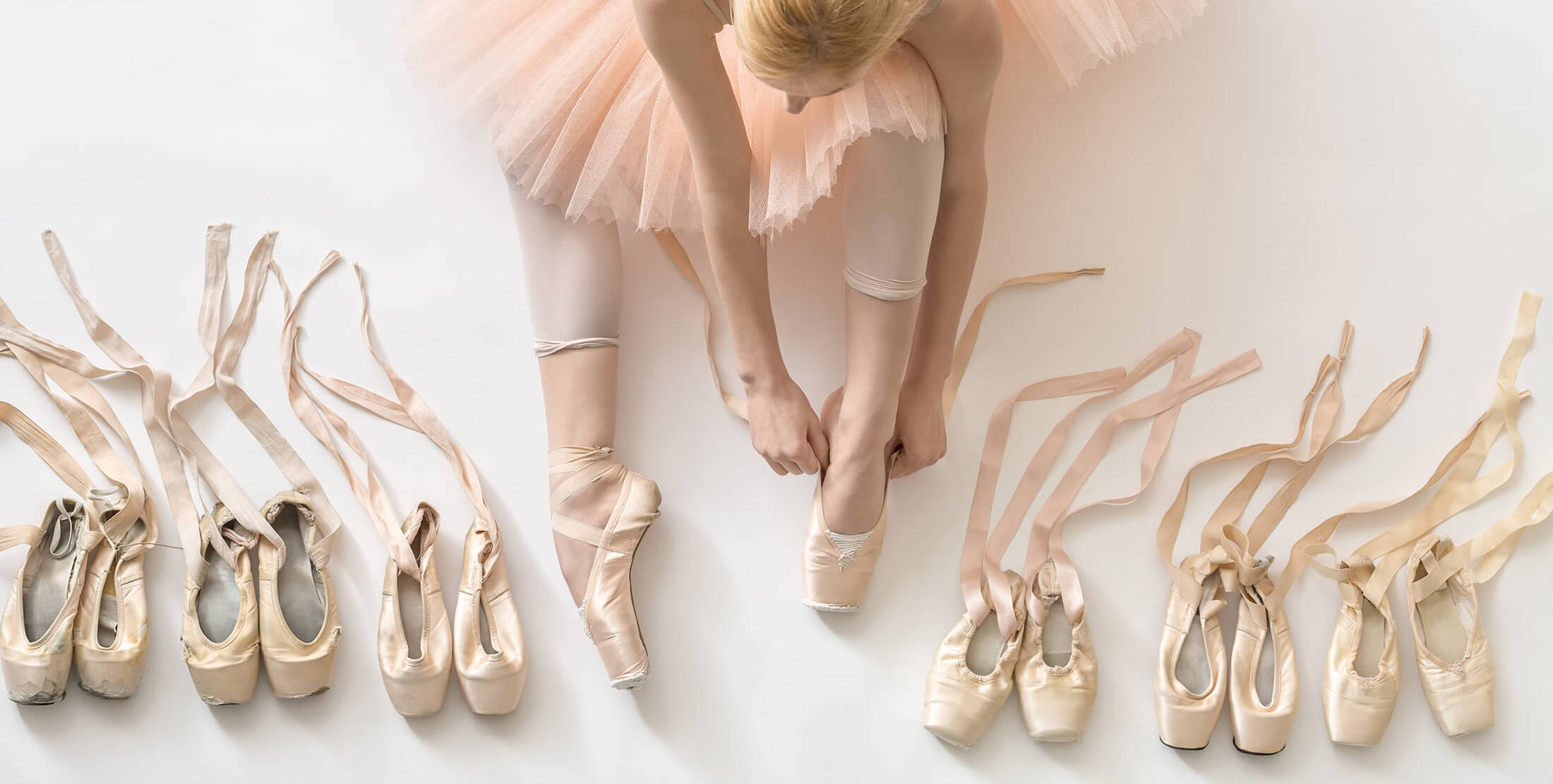
Pointe Shoe Brands
There are over 100 different pointe shoe brands. Check out our regularly updated list of different pointe shoe brands.
By Foot Type
Egyptian, Greek, Giselle, Roman, and flat feet.
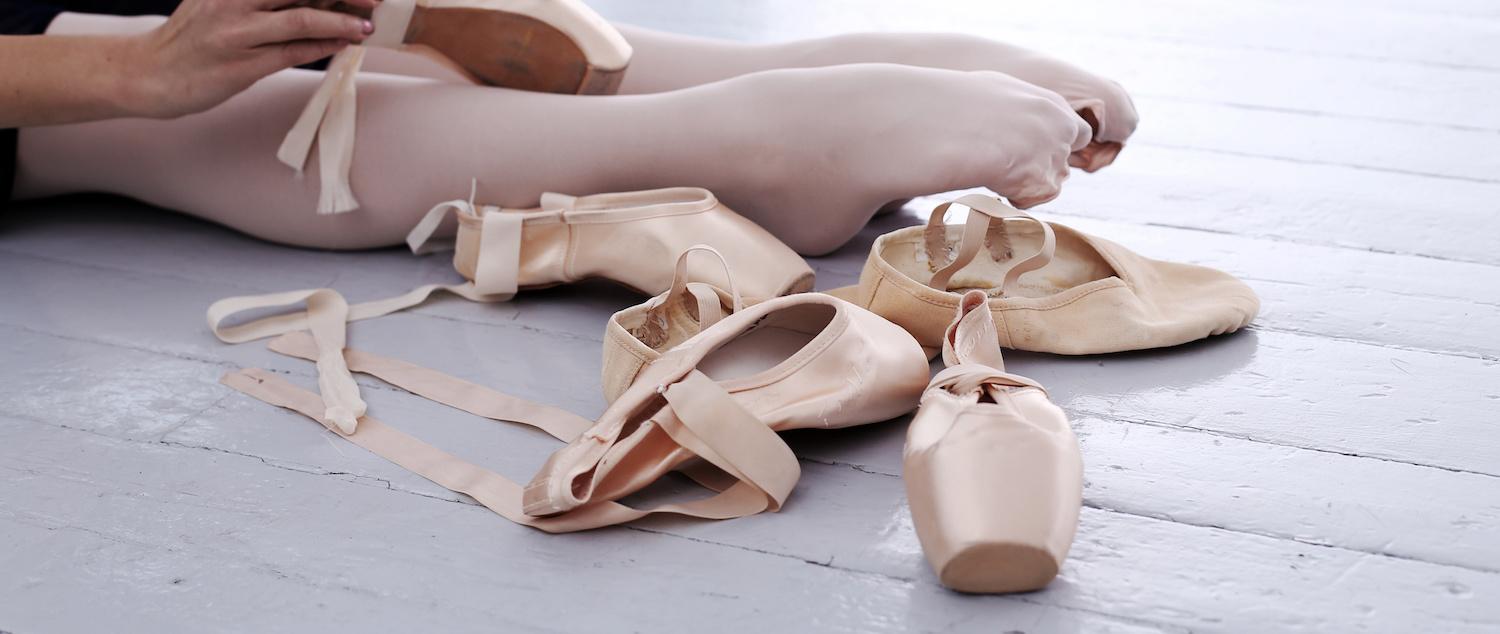
Pointe Shoes for Grecian Feet
Check out our list and reviews of some of the best pointe shoes for Grecian or Greek feet. Learn what we recommend for Greek/Grecian feet!
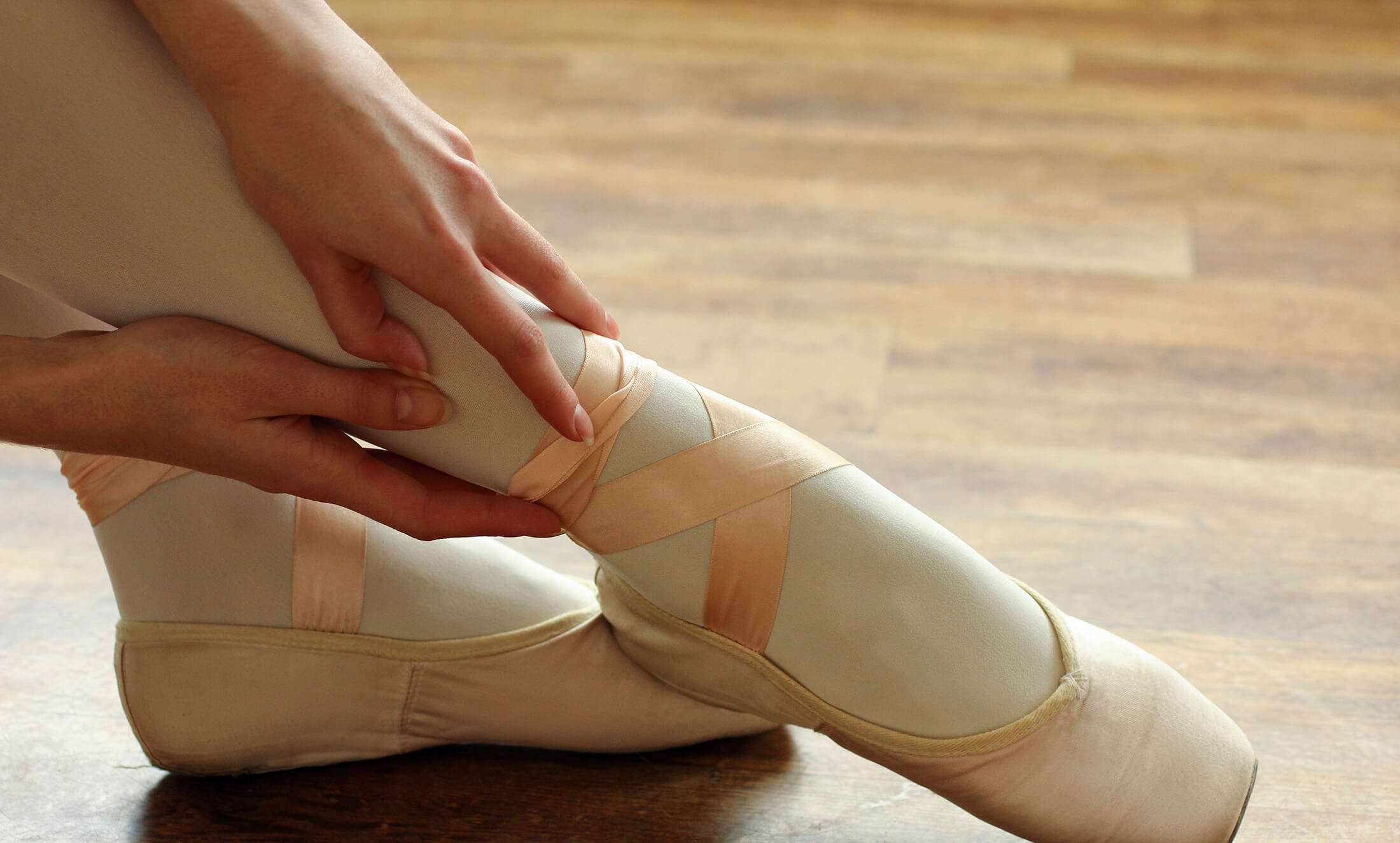
Pointe Shoes for Egyptian Feet
Egyptian feet have a long big toe that tapers down. Learn the best pointe shoe brands, box shapes, and fitting tips for Egyptian foot type dancers.
Care & Preparation
Sewing, darning, and making shoes last.
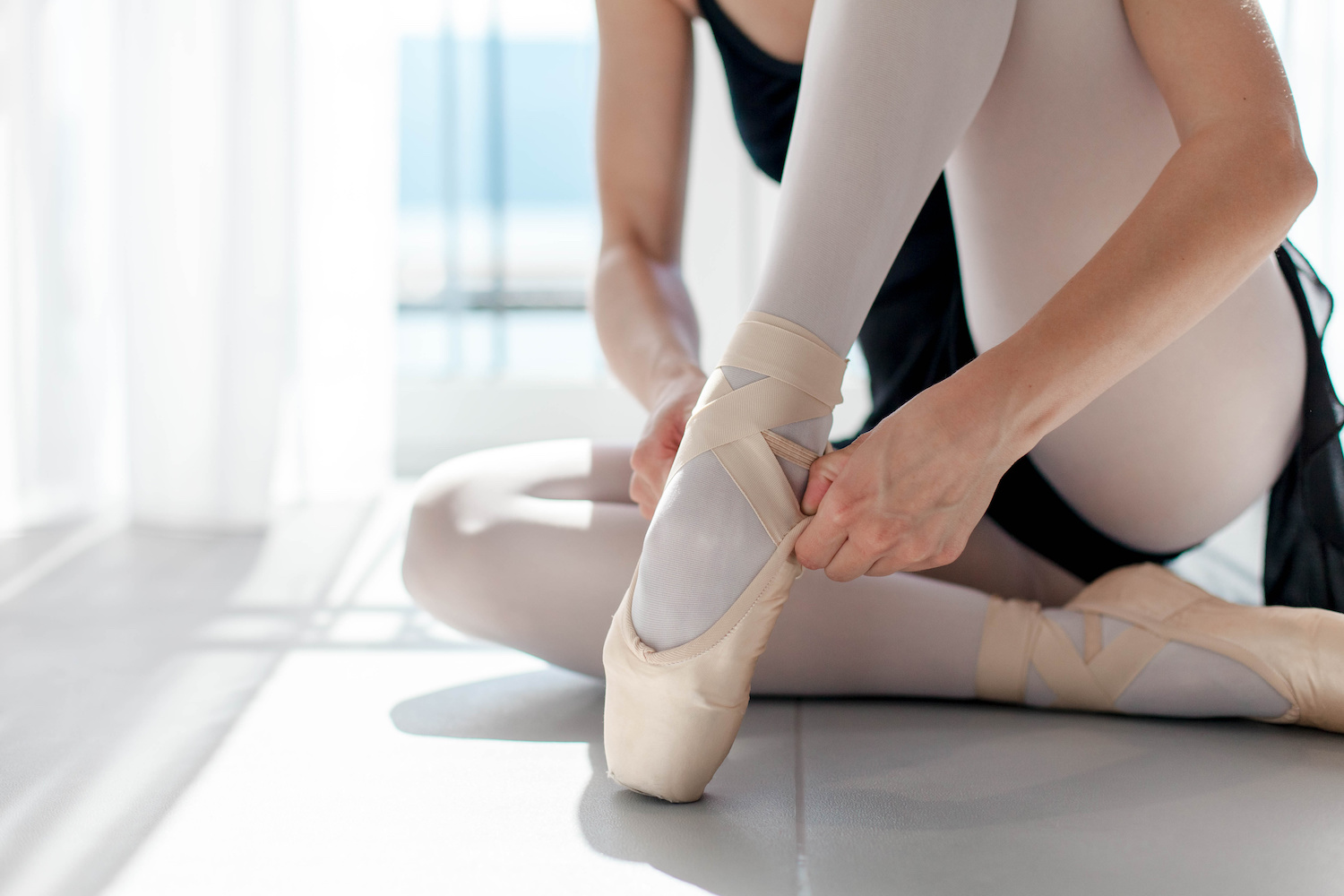
Mastering the Art of Tying Pointe Shoes in Ballet: A Step-by-Step Guide
Pointe shoes are an essential part your ballet attire. They all you to perform with grace, poise, and precision.
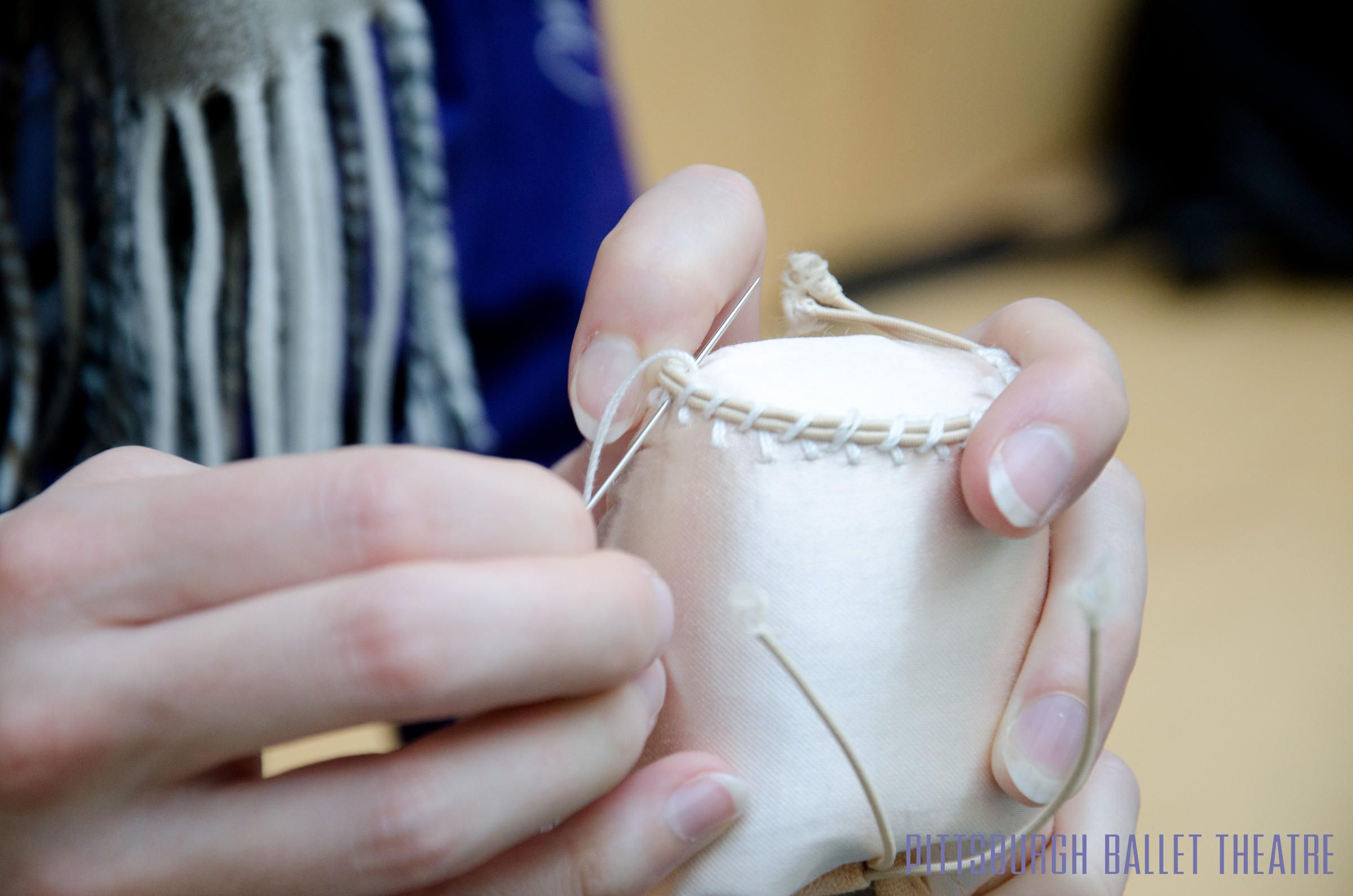
Darning Your Pointe Shoes
Learn how to darn your pointe shoes. Darning your pointe shoes can be an effective way to increase the longevity of your pointe shoes, increase friction, and more.
How to Sew Pointe Shoe Ribbons
One of my favorite memories from ballet was when I finally made it en pointe. It's the moment that separates the serious dancers from the novices.
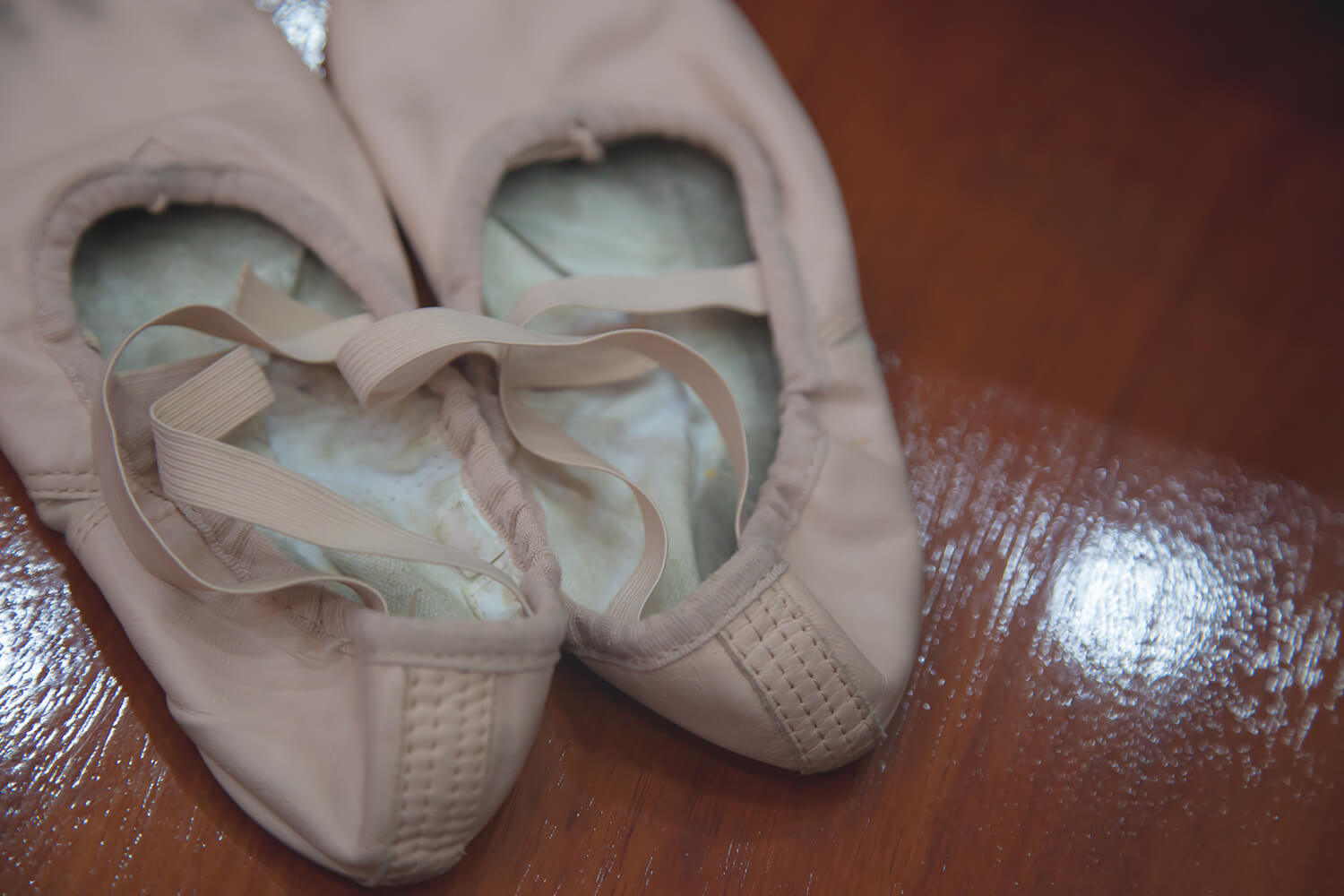
How Often Should You Replace Your Canvas Ballet Shoes
If you’re like me, then chances are you’ve worn your canvas shoes to the ground. It was common for me to keep wearing my shoes despite multiple holes, and if.
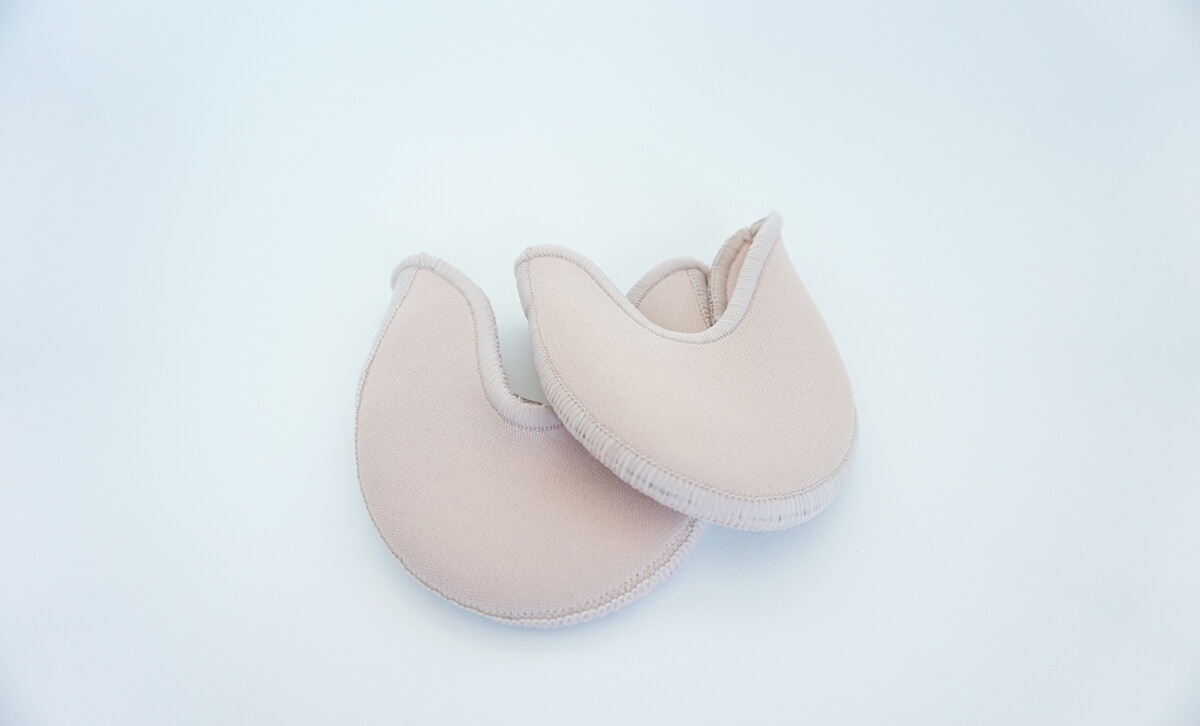
Toe Pad Survivor: Silicone vs Gel Pouches vs Lambs Wool
As a ballet dancer, you may need some toe padding. Check out our comparison of gel pouches (ouch pouches), silicone pads, and lambs wool.
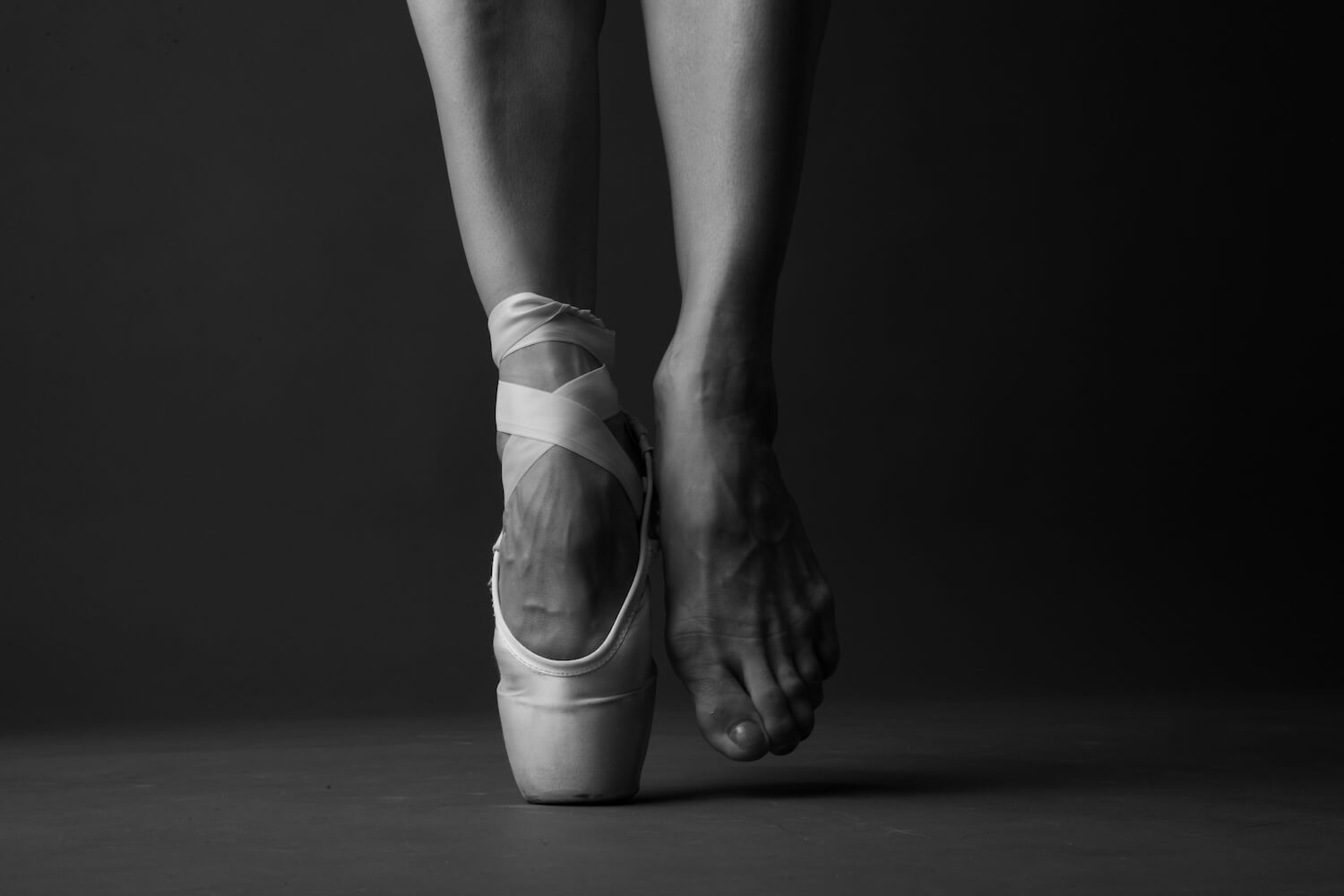
Common Pointe Shoe Problems
Here are the top 3 common pointe shoe problems. Learn how to solve common pointe shoe problems before they happen.
Feet & Injury
Protect the feet that do the work.
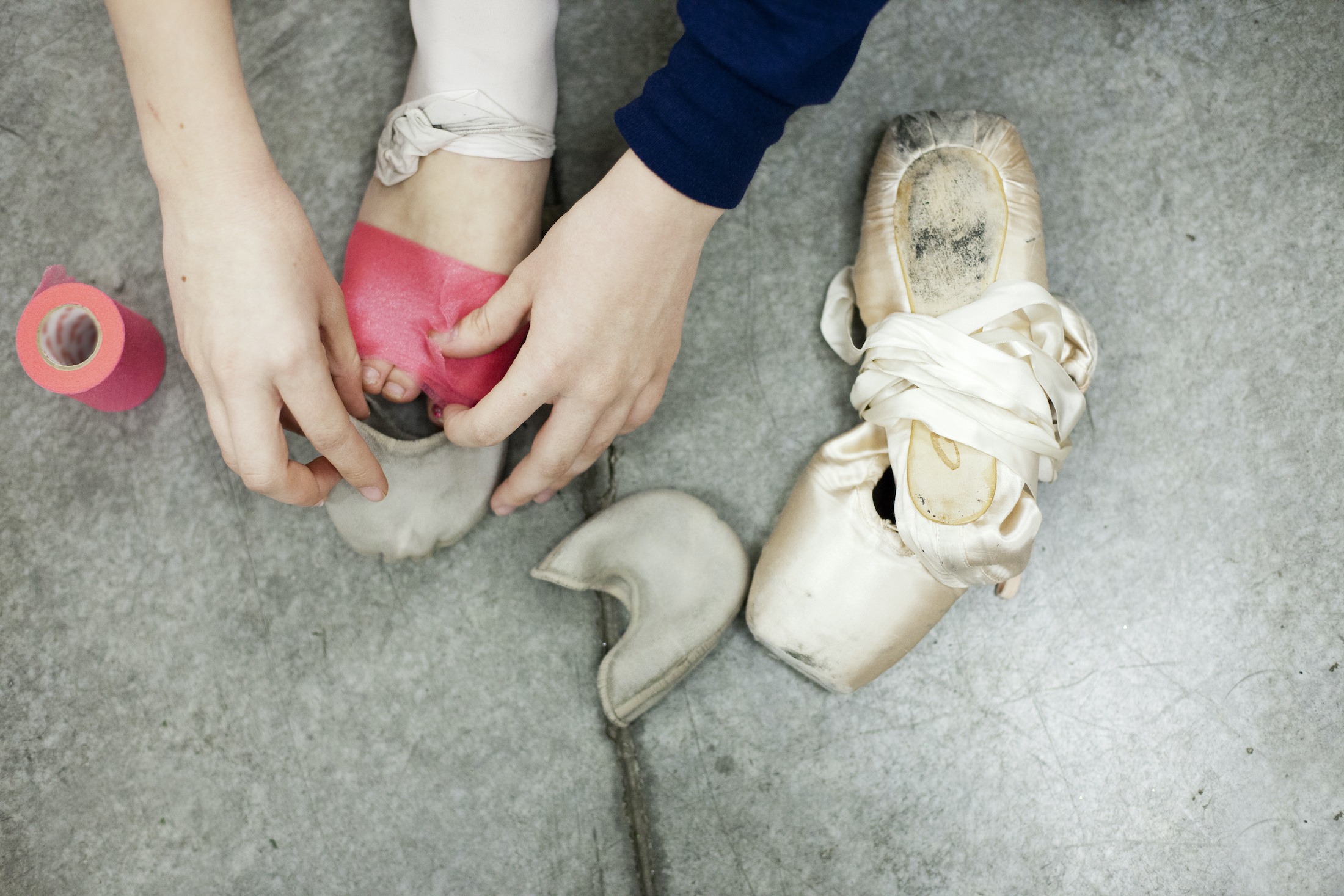
How to Deal with Bunions as a Ballet Dancer
How to deal with bunions as a ballet dancer. Learn about bunions and how you can cope with them when dancing ballet.
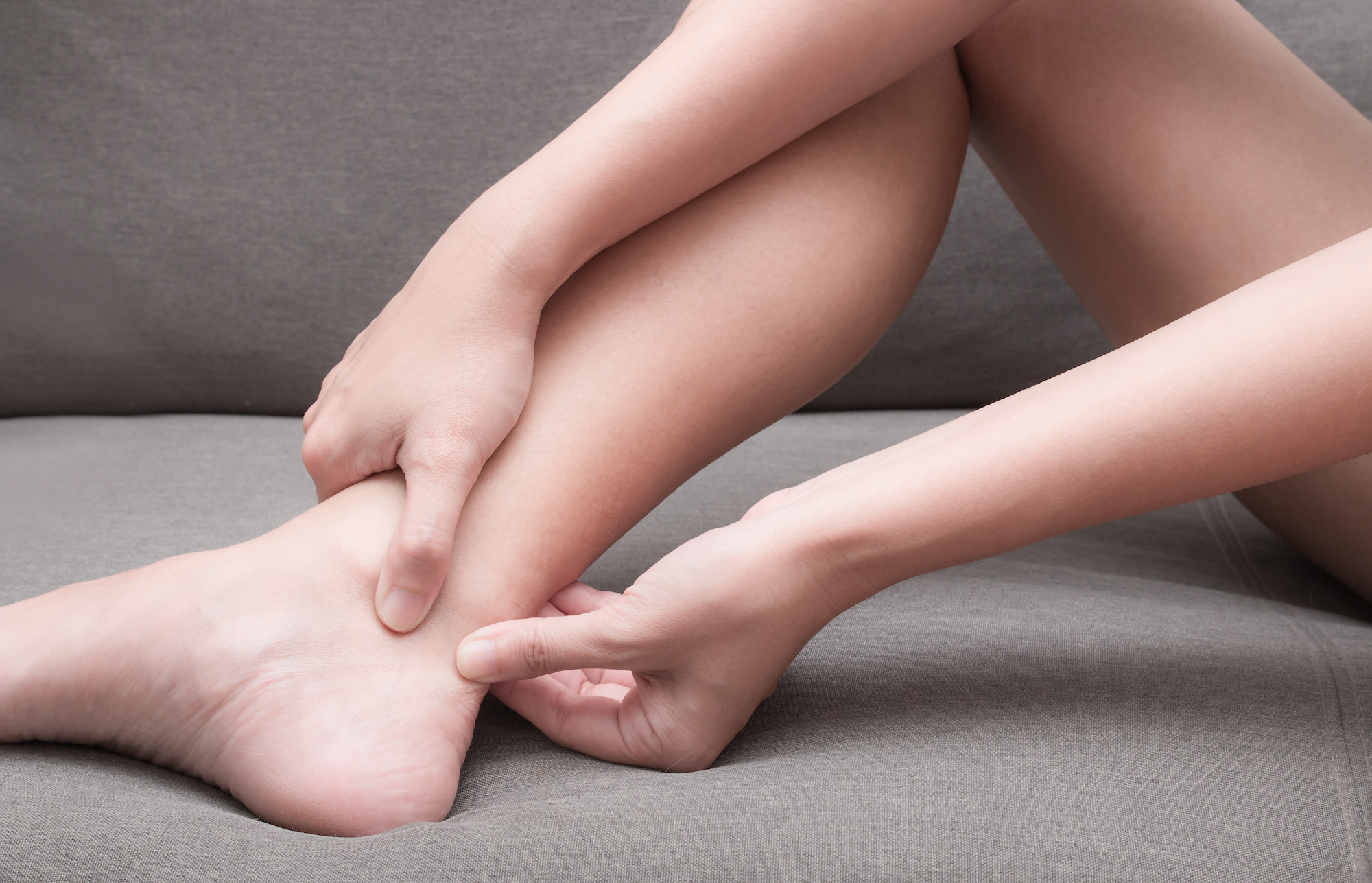
Ballet Dancer Achilles Tendonitis
Achilles tendonitis is a common injury in ballet. Learn our tips for how to diagnose, treat, prevent, and heal achilles tendonitis.
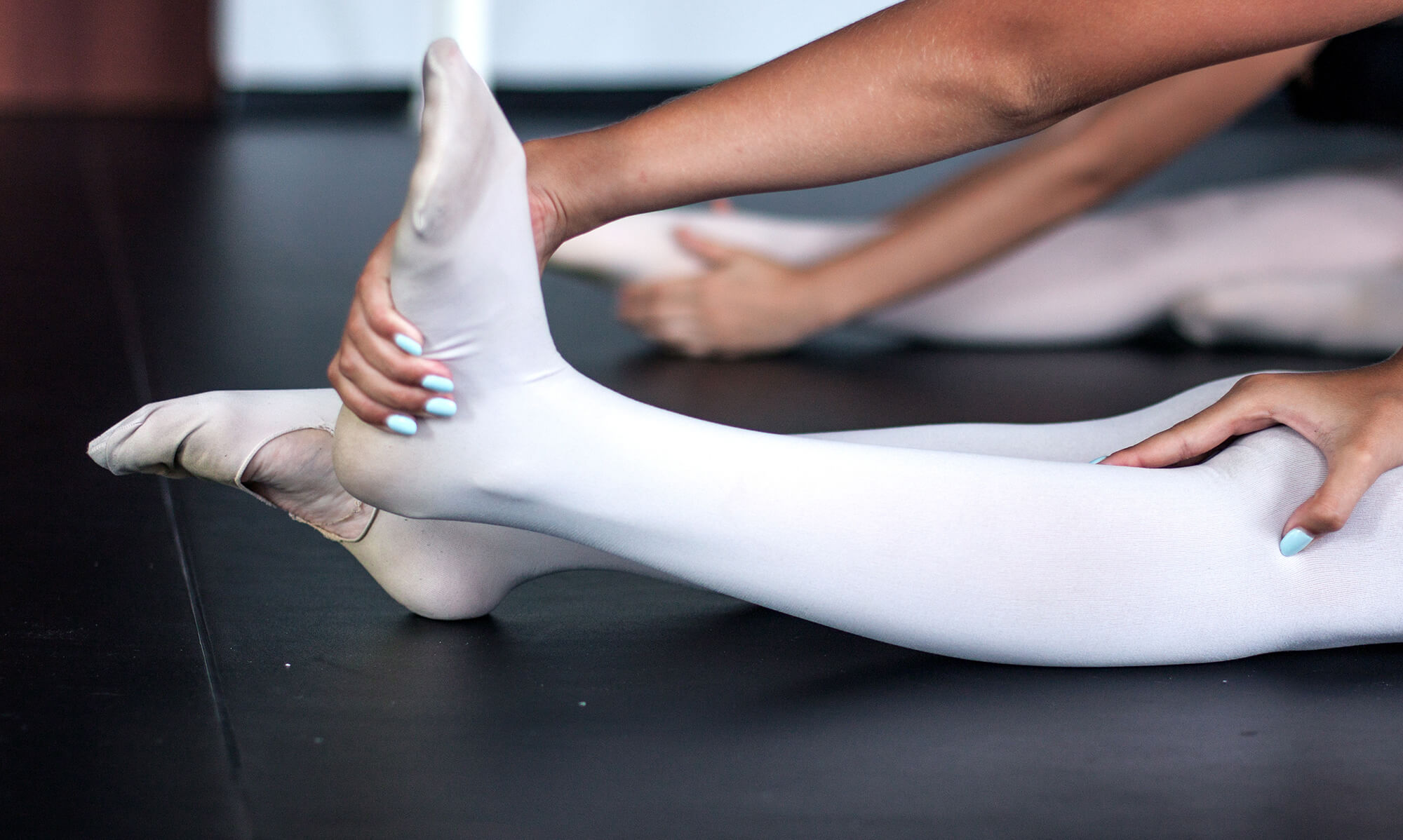
Does Ballet Ruin Your Feet? An Honest Answer
Does ballet ruin your feet? Short answer: it can be hard on them, but real damage isn't a given. Here's how dancers keep their feet healthy.
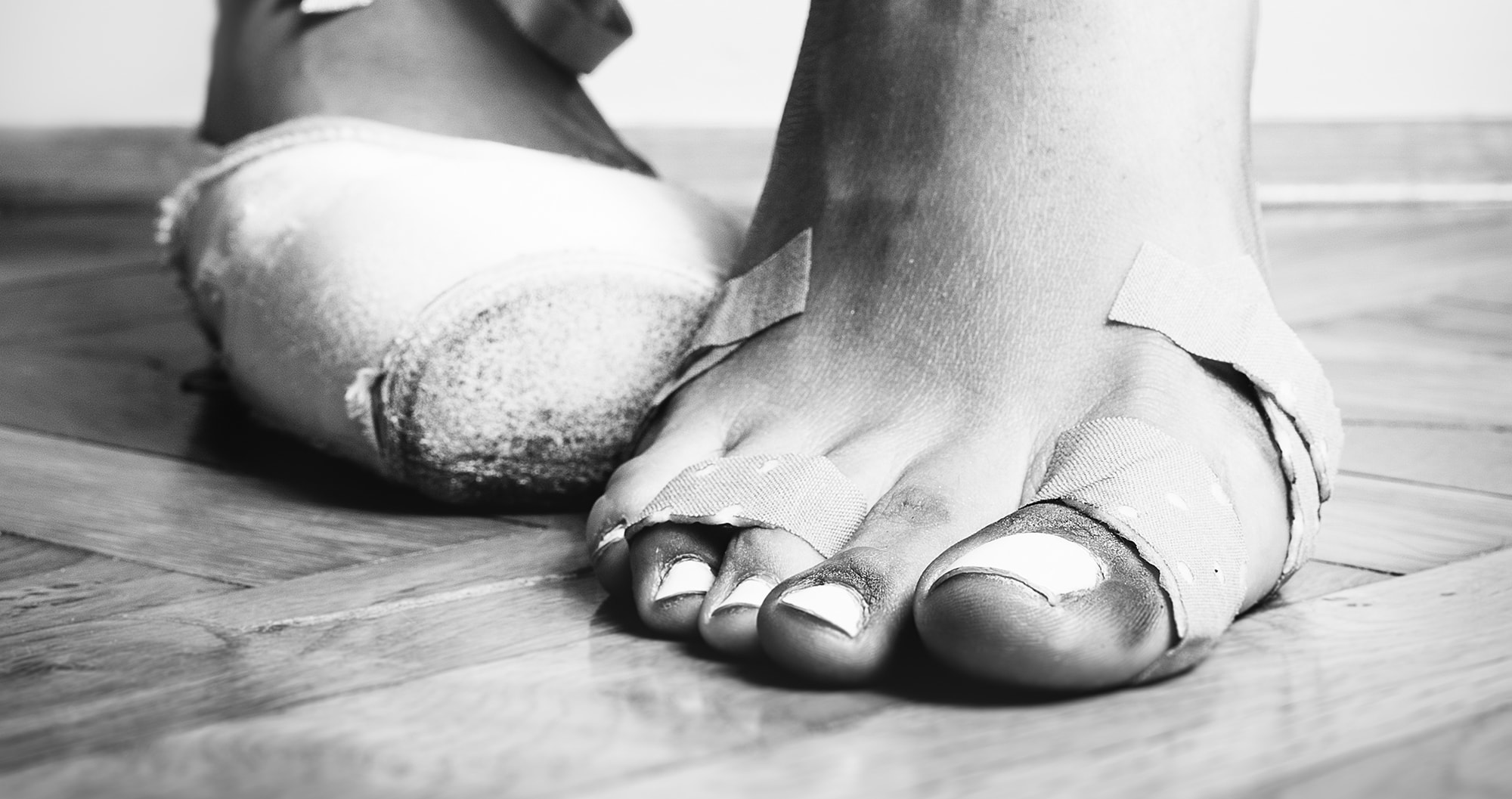
Ballerina Toe Problems
Ballet is not a sport for the weak. Occasionally, us-dancers will experience an injury that needs rehab, and toe problems are one of the most common.
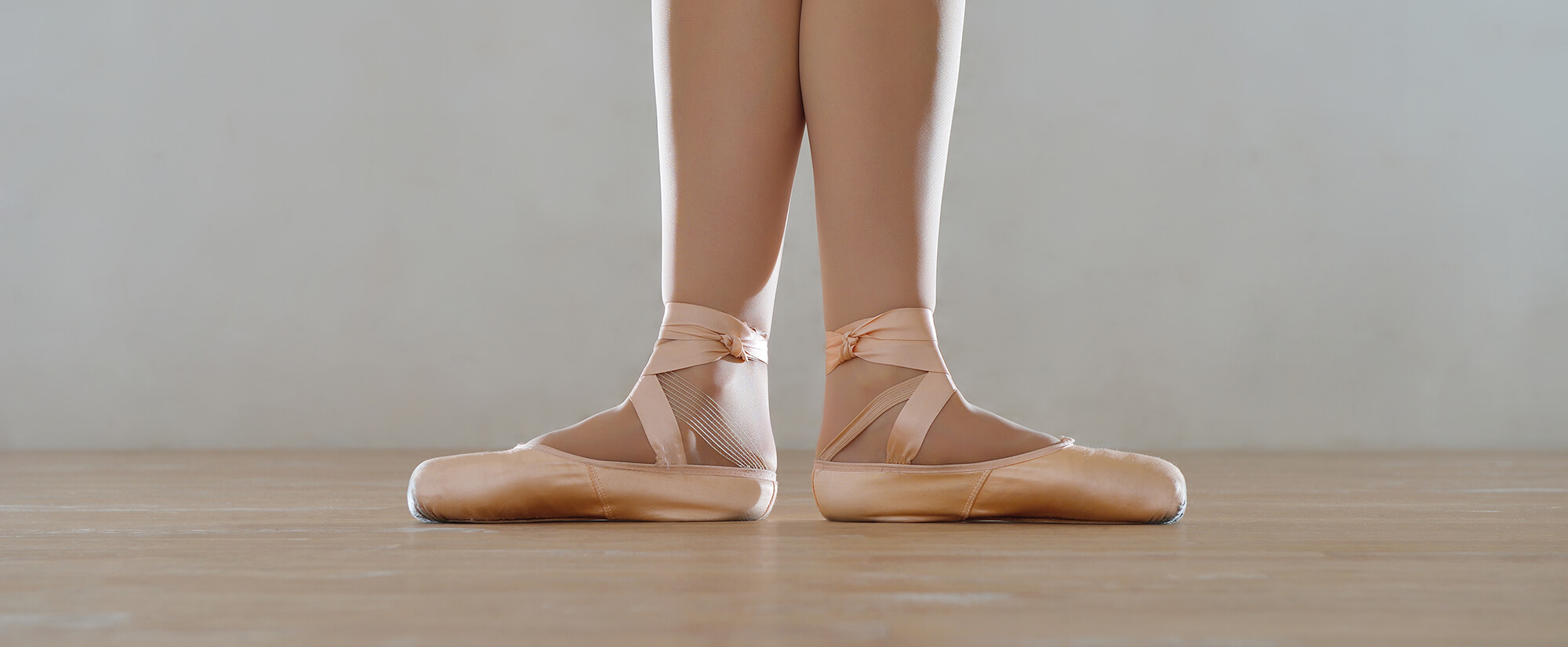
What Causes Plantar Fasciitis and How to Deal With It
Learn what causes plantar fasciitis in ballet dancers and how to deal with it. Find massage treatments, taping treatments, and more for plantar fasciitis.