Exercises · The Cover Story
Ballet Barre vs Center Work Explained
Why does ballet class start at the barre and move to the center? Here's what each part does, how a class is built, and why the order matters for every dancer.
Read the storyBallet Company Ranks Explained, Simply
Corps de ballet, coryphee, soloist, principal, plus artistic director and ballet master, explained in plain words, with how dancers actually move up the ranks.
Ballet Competitions Explained for Families
What youth and pro ballet competitions are really for, the big ones like Prix de Lausanne and YAGP, how scholarships work, and a healthy take on competing.
Ballet Shoe Sizing: How They Should Fit
Soft ballet slippers should fit snug like a glove, not roomy. How to size them, why dance size differs from street size, and the grow-into-it myth.
Find your footing
Four ways in
Discover
The art, history, companies, and culture of ballet.
Ballet Company Ranks Explained, Simply
Corps de ballet, coryphee, soloist, principal, plus artistic director and ballet master, explained in plain words, with how dancers actually move up the ranks.
Ballet Competitions Explained for Families
What youth and pro ballet competitions are really for, the big ones like Prix de Lausanne and YAGP, how scholarships work, and a healthy take on competing.
Famous Ballet Composers You Should Know
A friendly guide to the composers behind the great ballets, from Tchaikovsky and Prokofiev to Stravinsky, Adam, Delibes, and Minkus, and what each is known for.
Pointe-rs
Everything pointe, fitting, care, and going up on your toes.
Ballet Shoe Sizing: How They Should Fit
Soft ballet slippers should fit snug like a glove, not roomy. How to size them, why dance size differs from street size, and the grow-into-it myth.
Pre-Pointe: Are You Ready? A Checklist
Wondering if you're ready for pointe shoes? Here's what teachers actually look for, how a pointe assessment works, and why it's never a solo decision.
Ballet Shoes vs Pointe Shoes: The Beginner's Guide
Ballet shoes vs pointe shoes, explained for beginners and parents. Here's the real difference between soft ballet slippers and pointe shoes, and why you can't start on pointe.
Injury Prevention
Stay strong, dance longer, and protect the body.
Common Ballet Injuries and How to Prevent Them
A calm, plain-English guide to the most common ballet injuries, where they come from, and the everyday habits that help dancers stay healthy and keep dancing.
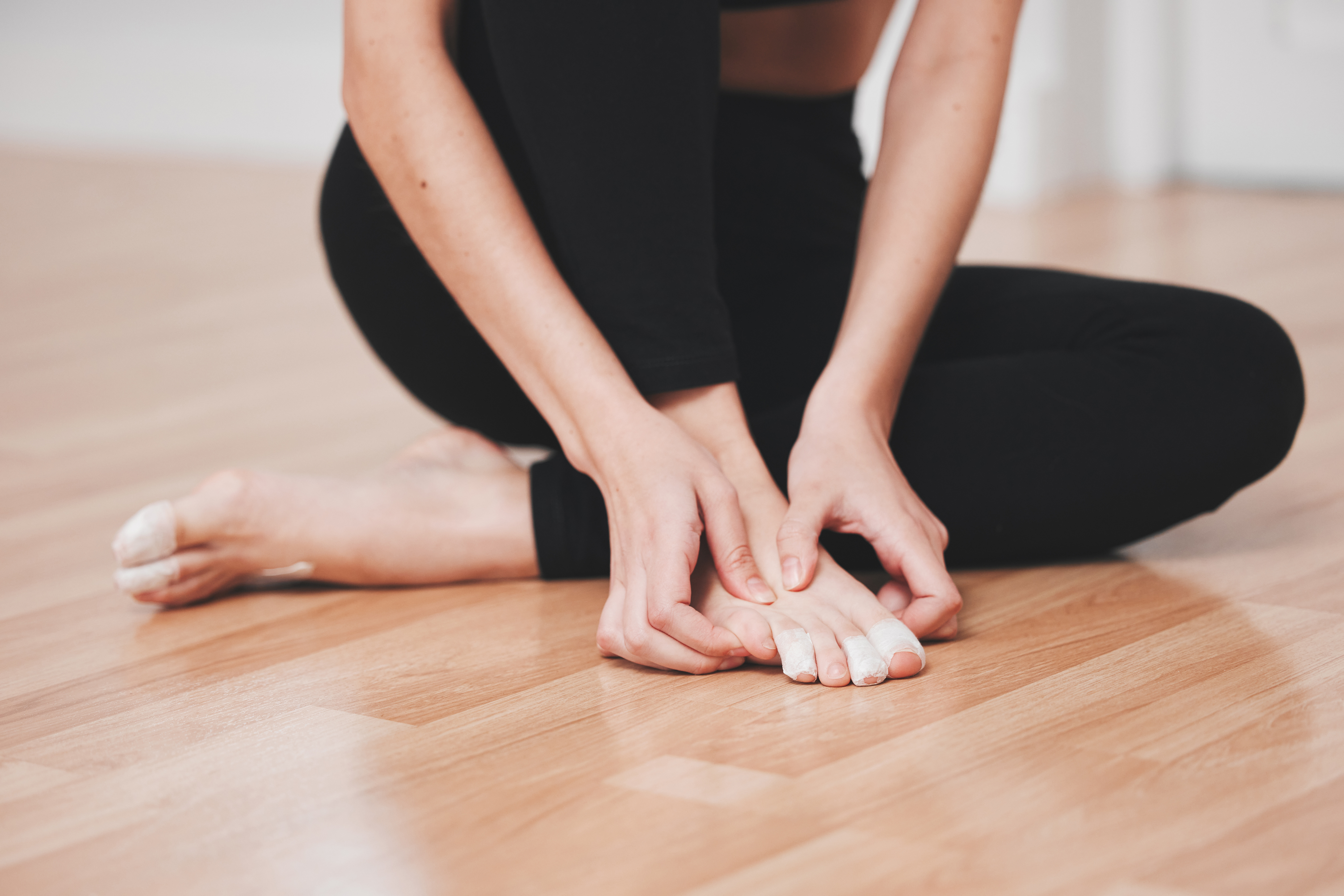
Injury Prevention for Ballet Dancers: Essential Tips for Strength and Longevity
Ballet is a physically demanding art form that requires incredible strength, flexibility, and endurance.
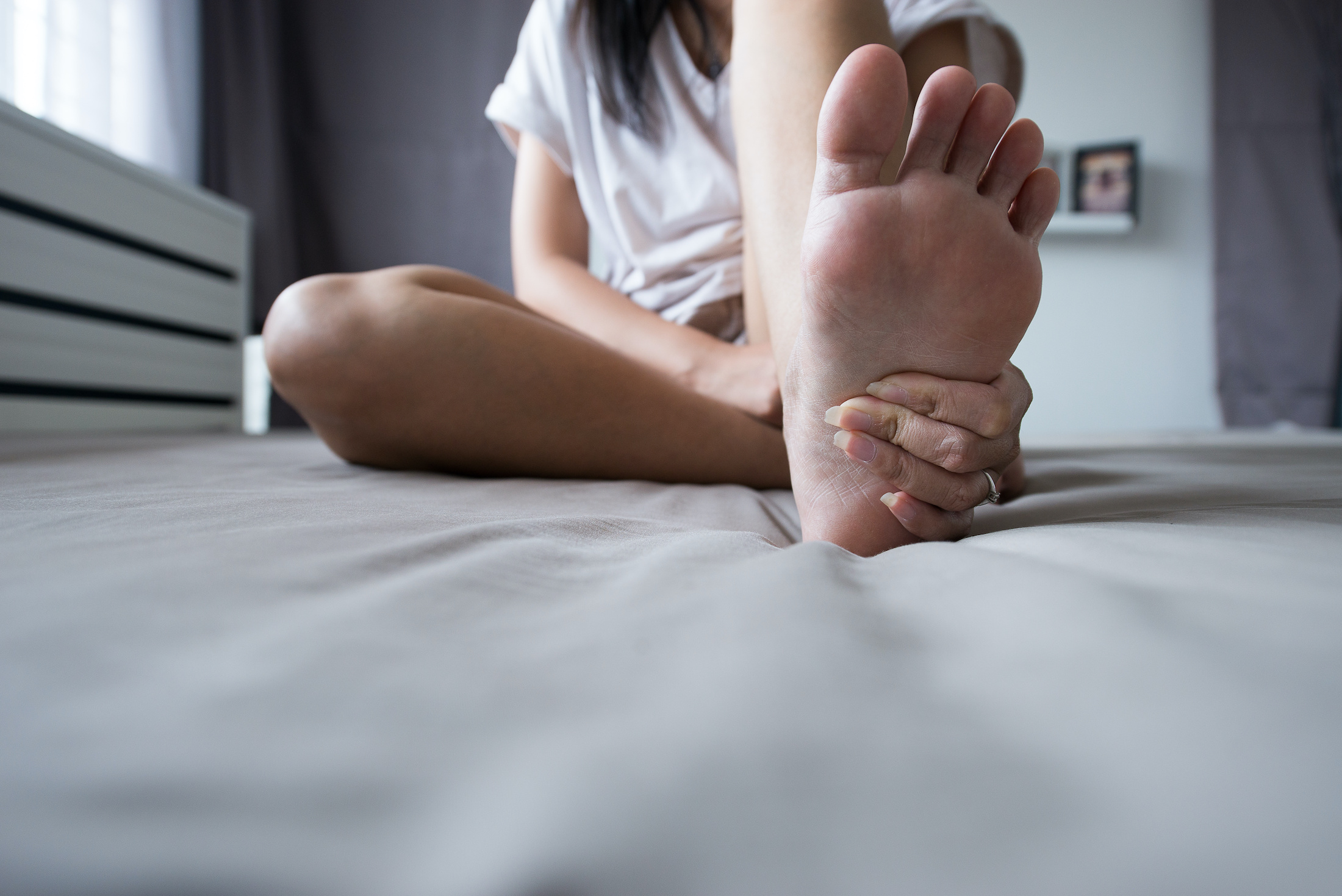
Lisfranc Injury Overtime
The last thing you want as a dancer is any sort of damage to your feet. Your feet are pretty much essential, so it’s important to prevent foot injuries, like a Lisfranc injury at all cost.
The Archive
More from Raising the Barre
Famous Ballet Composers You Should Know
A friendly guide to the composers behind the great ballets, from Tchaikovsky and Prokofiev to Stravinsky, Adam, Delibes, and Minkus, and what each is known for.
The History of Ballet: Where It Came From
How ballet went from an Italian dinner-party dance to the Russian classics and modern stage, told era by era in plain language for dancers and parents.
Male Ballet Dancers: A Starter Guide
What ballet training and roles look like for boys and men, the legends who defined it, and a calm, honest look at the stigma, written for dancers and parents.
Pre-Pointe: Are You Ready? A Checklist
Wondering if you're ready for pointe shoes? Here's what teachers actually look for, how a pointe assessment works, and why it's never a solo decision.
Safe Stretching for Splits and Flexibility
Want better splits and flexibility without getting hurt? Warm up first, choose active over passive, skip the bouncing, and never force oversplits. Here's how.
What Is a Reverence in Ballet?
A reverence is the little bow or curtsy that ends ballet class. Here's what it means, why teachers love it, and how to do it without feeling awkward.