Discover
How Often Should You Replace Your Canvas Ballet Shoes
If you’re like me, then chances are you’ve worn your canvas shoes to the ground. It was common for me to keep wearing my shoes despite multiple holes, and if.
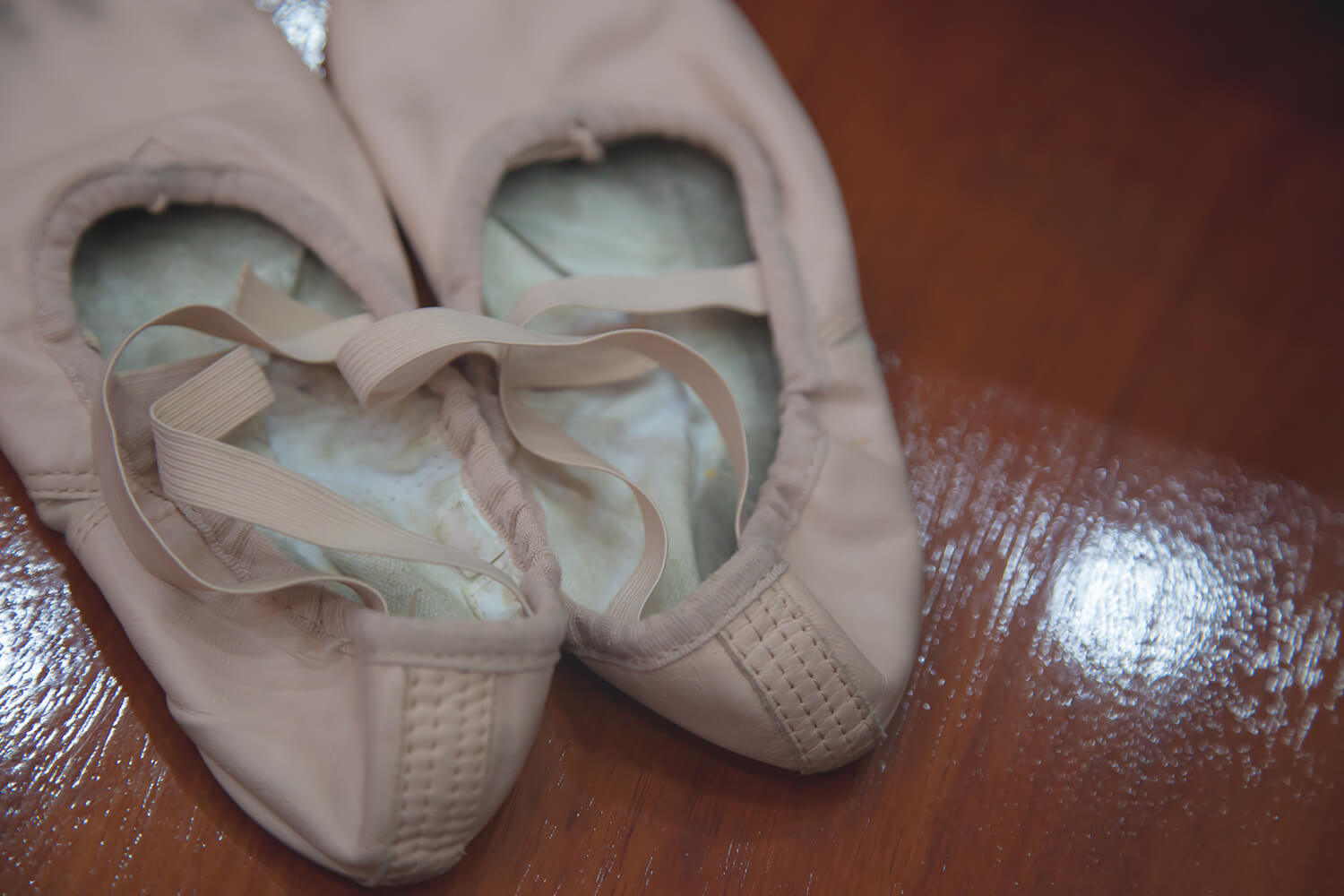
If you’re like me, then chances are you’ve worn your canvas shoes to the ground. It was common for me to keep wearing my shoes despite multiple holes, and if things got a little rough, then a little duct tape would do the trick. But this is a terrible habit to have. The second you have a hole growing, the structural integrity of your canvas ballet shoes are compromised. This means they’ll never offer the same level of support. Also, by the time they get to this point, they’ll start to smell bad from all of the moisture and bacteria that builds up when you dance on a normal basis. I remember some girls at my academy had some shoes that just reeked! You could literally clear the room with how bad they smelled, which is a telling sign that the bacteria on the inside of the shoe has gotten out of control. And this can be dangerous! A little bit about bacteria on the inside of your shoe. Fact: The inside of your ballet shoe is far dirtier than the outside. Over 66 million organisms live on the inside of your canvas shoes. Some of the organisms that are living on the inside of your shoes include:
- E. Coli – which can cause abdominal cramps, diarrhea and vomiting.
- B. Serratia Ficaria – which causes infections of the gallbladder, respiratory tract, bladder and blood.
- C. Klebsiella Pneumonia– which can destroy lung tissue, cause pneumonia and create infection in the blood. This happens because the inside of your shoes are prime for bacteria to grow. It’s cool and moist, which is prime time for these bacteria to thrive.
What about washing canvas shoes in a washer and dryer?
While this will do the trick of getting rid of the stink and bacteria, this will also decrease the life expectancy of your shoes, and may even cause some to shrink. I also don’t recommend this because of the suede bottoms that are commonly used. I’ve heard numerous stories of other girls throwing their stinky slippers in the wash, only to have them basically disintegrate post wash. And washing your shoes in a washer and dryer only kills about 90% of the bacteria. So regardless, you’ll need to replace the shoes.
How long do ballet canvas shoes last?
From my experience and the other girls in my academy, it’s best to replace canvas shoes on a monthly basis. Any longer and the bacteria builds up, or you get too many holes where the shoes can no longer do their job. Your feet are your best friend, and regardless of how frequently you’re dancing, you’ll want to replace canvas shoes roughly every 30 days.
Good to know
Frequently Asked Questions
How often should you replace canvas ballet shoes?
Plan to replace canvas ballet shoes roughly every 30 days. After about a month, bacteria builds up and holes tend to form, which means the shoes can no longer support your feet properly.
What are the signs my canvas ballet slippers need replacing?
Look for growing holes and a strong, persistent smell. A hole compromises the structural integrity of the shoe so it no longer offers the same support, and a bad odor is a sign that bacteria inside has gotten out of control.
Can I just wash my canvas ballet shoes instead of replacing them?
Washing can reduce the stink and some bacteria, but it only kills about 90 percent of it, so you will still need to replace the shoes. Machine washing also shortens their lifespan and can shrink or even disintegrate them, partly because of the suede bottoms.
Why is the inside of a ballet shoe so dirty?
The inside of a ballet shoe is cool and moist, which is ideal for bacteria to thrive. The article notes the inside is far dirtier than the outside, with millions of organisms living there.
Is it bad to keep dancing in ballet shoes with holes?
Yes. Once a hole starts growing, the shoe loses its structural integrity and can no longer give your feet the same level of support, so patching them with tape is only a short-term fix.