Injury Prevention
Ballet Dancer Achilles Tendonitis
Achilles tendonitis is a common injury in ballet. Learn our tips for how to diagnose, treat, prevent, and heal achilles tendonitis.
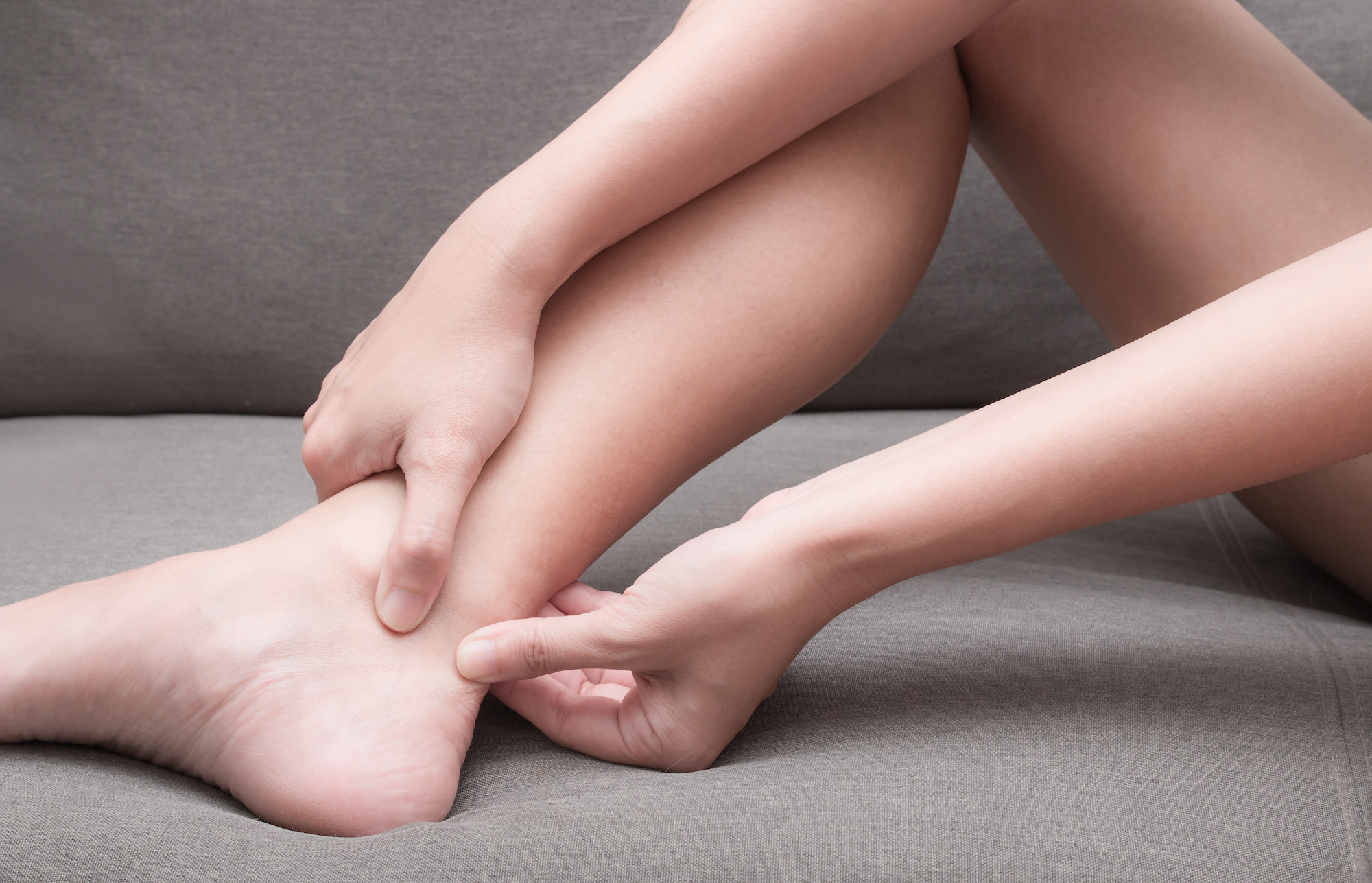
Achilles tendonitis is a common injury in ballet. It is especially common when ballet dancers first do summer intensives, get on pointe, or when pre-professionals become full-time professionals. This is because of the increased workload that comes with additional classes and use of the achilles throughout movements.
But. Before jumping into how to treat achilles tendonitis in ballet, let’s start with some basics.
What is achilles tendonitis?
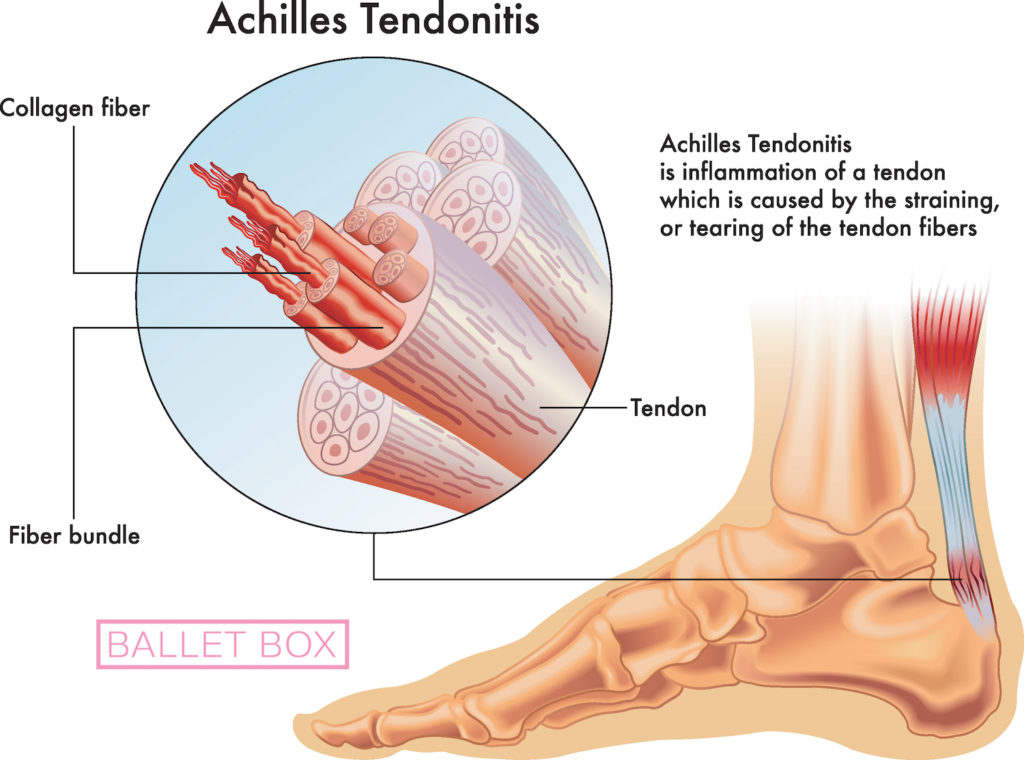
The simplest definition of achilles tendonitis is when you experience pain or inflammation from the tendon that attaches the calf muscle to the heel from injury or overuse.
What causes achilles tendonitis?
Overuse is the most common cause. However, in ballet the causes can be more complex. Common causes of achilles tendonitis can occur from releves, which carry a lot of weight on the achilles. Typically, dancers may not have developed strong feet and ankles, so when performing releves and other similar movements, achilles tendonitis can occur.
Poor habits and bad technique can also be a cause. For example:
- Not putting your heels down during jumps
- Rolling in or forcing your turnout
- or Pulling up high on your arches
How to avoid achilles tendonitis?
While there is no sure-fire way to avoid achilles tendonitis, there are some measures you can take to help prevent it.
We recommend doing 3-5 sets of 15 releves, twice per day.
Doing releves is a great exercise that can help you avoid and prevent achilles tendonitis.
Here is a video made by some physical therapists regarding achilles tendonitis and other exercises that can be used to strengthen the achilles tendon. WARNING: They’re old.
https://www.youtube.com/watch?v=Y8Ag3Nbj98k
Do you treat Achilles tendonitis?
Always get a professional medical opinion when you’re experiencing pain or discomfort in dance. If you find that your achilles is tight, stiff, or in pain, for more than two days, speak to a doctor or physician.
Don’t forget to ice at the end of class and rest the achilles whenever possible.
We always recommend strengthening the intrinsic muscles of the feet and ankles. Here are some toe strengthening exercises that include different workouts for the muscles through the feet/toes/ankles.
But most importantly, don’t forget to plie. Elongating into a full plie before a jump will help strengthen and improve the elasticity of the achilles tendon
Final Thoughts: Ballet Dancer Achilles Tendonitis
We also recommend warming up properly to ensure you don’t injure yourself while your muscles are cold. Don’t forget to check out our limited time BalletBox, the Warmup Box. It has all the items you need to warmup properly and help prevent injuries.
Good to know
Frequently Asked Questions
What is Achilles tendonitis in ballet?
It is pain or inflammation in the tendon that attaches the calf muscle to the heel, caused by injury or overuse. It is common when dancers first start summer intensives, get on pointe, or transition from pre-professional to professional workloads.
What causes Achilles tendonitis in dancers?
Overuse is the most common cause, often from releves that put a lot of weight on the Achilles before the feet and ankles are strong enough. Poor technique like not putting heels down during jumps, rolling in or forcing turnout, and pulling up high on the arches can also contribute.
How can dancers help prevent Achilles tendonitis?
There is no guaranteed way to prevent it, but the article recommends 3 to 5 sets of 15 releves twice per day to strengthen the area. Warming up properly and strengthening the intrinsic muscles of the feet and ankles also help.
When should a dancer see a doctor for Achilles pain?
Always get a professional medical opinion for pain or discomfort in dance. If your Achilles is tight, stiff, or painful for more than two days, speak to a doctor or physician.
Does a proper plie help the Achilles tendon?
Yes, elongating into a full plie before a jump helps strengthen and improve the elasticity of the Achilles tendon. Icing after class and resting the Achilles when possible are also recommended.