Pointe-rs
Pointe Shoe Accessories: The Essentials Every Dancer Needs
The pointe shoe accessories that actually matter, from toe pads and spacers to ribbons, elastics, and blister care, and how to use each one.
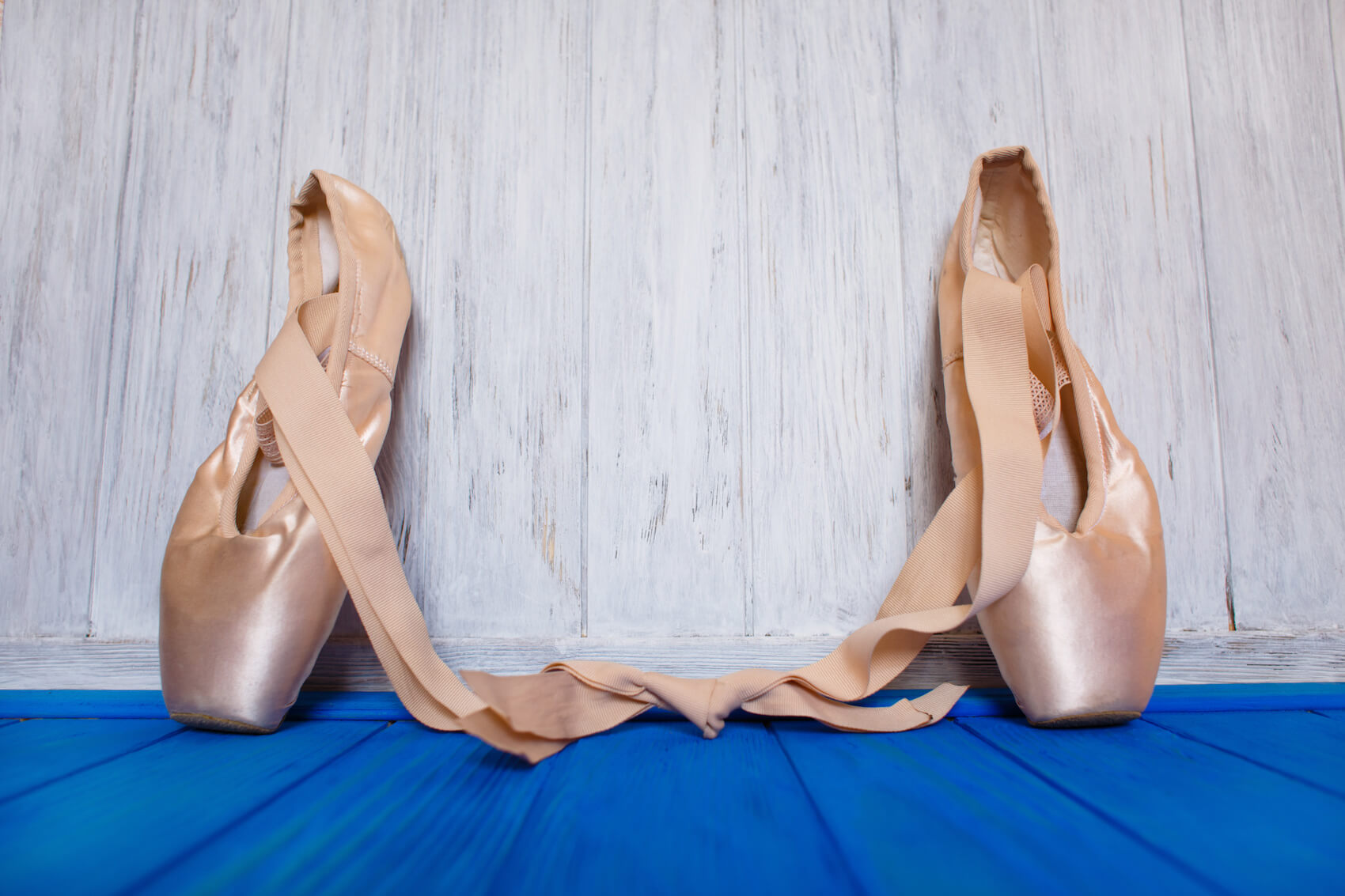
Buying your first pair of pointe shoes is a milestone. What surprises most dancers is how much still has to happen before those shoes are ready to dance in. Pointe shoes arrive as a blank canvas, and the accessories you add are what make them fit, feel, and hold up. Here is what actually belongs in your bag, and what each item does.
Toe pads
Toe pads sit between your toes and the box of the shoe, cushioning pressure and reducing friction. They come in gel, silicone, foam, fabric, and traditional lambswool. Thicker gel and silicone pads protect dancers who bruise easily or are still building tolerance, while thinner fabric and lambswool let you feel the floor and articulate through the box. There is no single best option. The right pad is the one that protects you without deadening your connection to the floor.
Toe spacers
A toe spacer is a small gel wedge worn between the big toe and second toe. It keeps the toes aligned, takes pressure off the big toe joint, and can help dancers prone to bunions. Not everyone needs one, but if your big toe is being pushed inward inside the box, a spacer is worth trying.
Ribbons and elastics
Pointe shoes are sold without ribbons and elastics so each dancer can position them for her own foot and ankle. Ribbons secure the shoe and support the ankle, while elastics keep the heel from slipping. Sewing them on by hand is a rite of passage, and where you place them matters as much as the stitching. Ask your teacher to check your placement the first few times.
Needle, thread, and a lighter
You will sew ribbons and elastics more than once, so a sturdy needle and strong thread such as dental floss or upholstery thread live permanently in a good kit. A lighter or a dab of clear nail polish seals the cut ends of satin ribbon so they do not fray.
Toe tape and blister care
Toe tape wraps individual toes to prevent rubbing and to protect skin that is starting to blister. Paper surgical tape and stretchy athletic tape both work. Pair it with a few blister plasters so a hot spot never turns into a lost class.
Darning supplies and shoe hardening
Some dancers darn the platform of the shoe for a wider, quieter base, which calls for a curved needle and thick thread. Others use shoe hardener or floor wax to extend the life of a softening shank. Whether you need either depends on your feet and how quickly you break a shoe down.
A pointe shoe bag
Finally, a breathable mesh bag lets sweat-damp shoes dry between classes instead of breaking down in the bottom of your dance bag. Damp shoes die fast, so airing them out is the cheapest way to make a pair last.
Build your kit slowly. Start with pads, ribbons, elastic, and a sewing kit, then add spacers, tape, and darning supplies as you learn what your feet actually ask for.
Good to know
Frequently Asked Questions
What accessories do you need for pointe shoes?
At minimum you need toe pads, ribbons and elastic, and a needle and strong thread to sew them on. Most dancers also carry toe spacers, toe tape, and blister care in their bag. Everything else is personal preference built up over time.
Are gel toe pads or lambswool better?
It depends on your feet. Gel and silicone pads cushion pressure well and suit dancers prone to bruising, while fabric and lambswool are thinner and let you feel the floor more. Many dancers try a few before settling on a favorite.
Do you have to sew ribbons and elastics on pointe shoes yourself?
Yes. Pointe shoes come without ribbons and elastics attached so you can position them for your own foot. Sewing them on by hand with strong thread is a normal part of preparing a new pair.
What is toe tape used for in ballet?
Dancers wrap toe tape around individual toes to prevent friction, protect blisters, and stop toes from rubbing together inside the box. Paper surgical tape and stretchy athletic tape are both common.
How do you stop pointe shoes from slipping at the heel?
Well fitted elastic across or around the heel is the first fix. Some dancers also lightly spray the inside heel or use a heel grip, but persistent slipping usually means the shoe or the elastic placement needs adjusting.
What should you keep in a pointe shoe kit?
A practical kit holds toe pads, spare ribbon and elastic, a needle and thread, small scissors, toe tape, spacers, blister plasters, and a lighter or clear nail polish to seal ribbon ends. Keeping it stocked means you are never caught out before class.