Discover
Best Pointe Shoes for Flat Feet
Learn which pointe shoes are best for flat feet, and tips for choosing and modifying pointe shoes if you have flat feet.
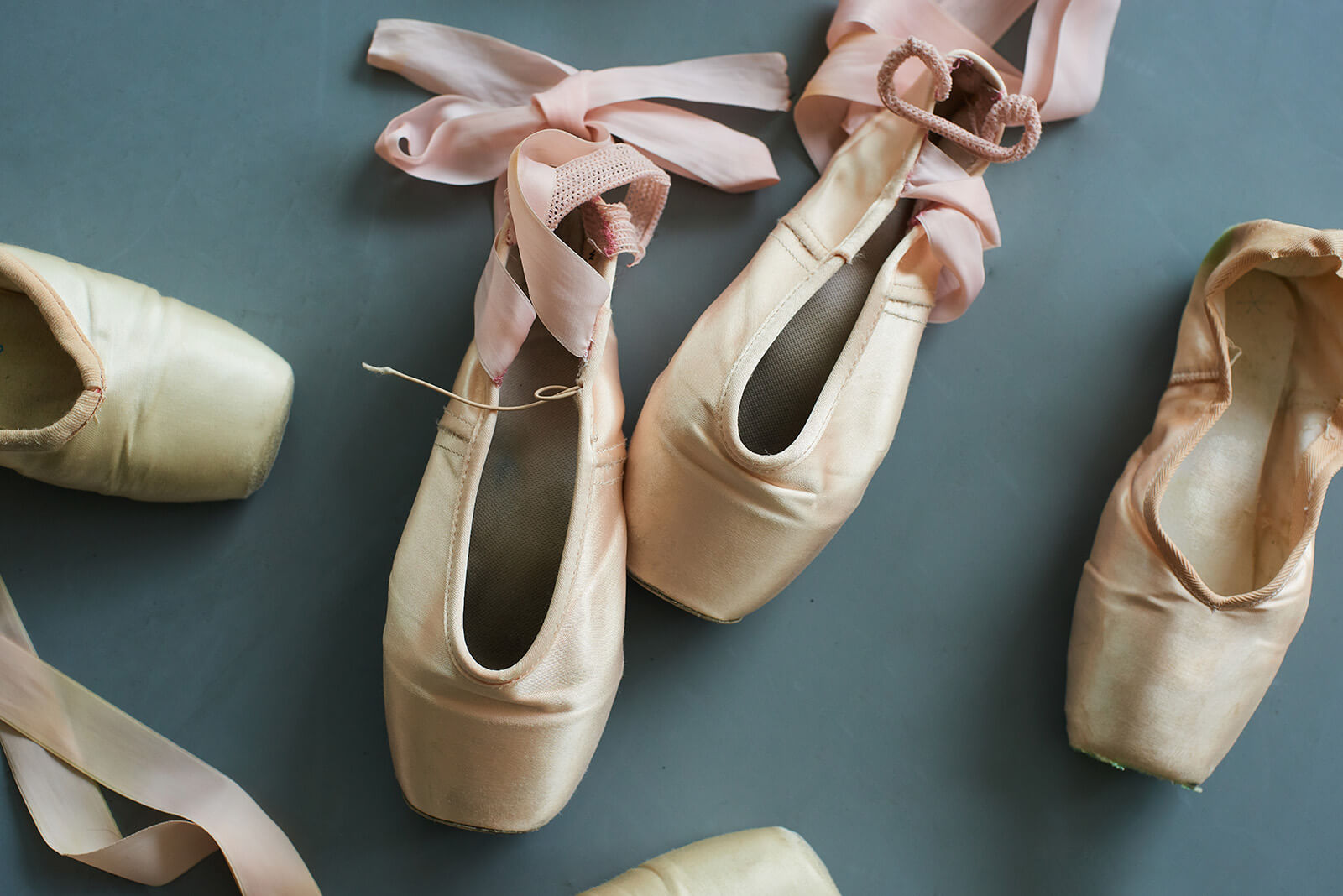
Every dancer has different feet. Whether it’s different types of toes or the arches on your feet. We’re all unique. We’ve done some great posts on the different toe/feet types here:
But now it’s time to help out our flat-footed sisters.
Best Pointe Shoes for Flat Feet
I’ve known many dancers with flat feet. They always complained about pointe shoes not fitting quite right, ankle problems, difficulty rising onto the platform, etc. When it comes to choosing pointe shoes for flat feet, professional fitters have two different schools of thought: using a softer shank and low vamp or a harder shoe with a pre-arched shank. Why a Softer Shank and Lower Vamp for Flat Feet? Shoes with a softer shank and a lower vamp allow dancers to get over the platform as easily as dancers with arched feet. Why Pointe shoes with pre-arched shanks for flat feet? Using a pre-arched shank helps dancers get a little boost over the box. Think of a pole-vaulter and how they’re able to rise into the air. This is similar to the science behind using a pre-arched shank for flat feet. As always, we do recommend going to a professional fitter for some final advice, and definitely try both of these options to see which feels better for you. As a general last piece of advice, for flatter feet, always look for pointe shoes that have a shorter vamp and softer side wings. Using a hard box or high vamp pointe shoe will pull you back off the platform, making it more difficult to get on pointe.
Pointe Shoe Brands that are Better for Flat Feet
Most pointe shoe brands will have options for softer shanks. Some of our favorites include:
- Chacott’s Swan Pointe Shoe (soft shank)
- Bloch’s Amelie Pointe Shoe (soft shank)
- Grishko Triumph (Pre-arched Shank)
- Fuzi Pointe Shoe (Pre-arched Shank)
Again, there are several different makes and models that you can look at. Above are just a few starting points, but each brand will have several models that can accommodate your feet. Make sure to see a fitting specialist to get their feedback and advice prior to buying any pointe shoes.
Pointe Shoe Trick for Ballet Dancers Flat Feet
For the adventurous dancers, there are some really cool DIY options that exist.
- To improve the line of your arch and weight distribution, try using a three-quarter or half-shank in your pointe shoes. I recommend trying this out on an old pair first, as it might take a bit of trial and error to get it right and master it.
- After you’ve three-quartered or halved your shank, stick one long ribbon in a U-shaped pattern. While you do this, you’re going to want to secure under the drawstring casing on one side, and continue under the arch and up the other side.
Doing your ribbons in this way will help pull and keep your pointe shoe closer towards your arch so that it’s more flattering.
Additional Tips for Ballet Dancers with Flat Feet
If you’re a flat-footed dancer with poor ankle mobility, then you’ll want to spend additional time cross-training. Different cross-training exercises can help develop better footwork and range of motion. These exercises will include thera-band work, slow élevés, and significant stretching. If you have pain or discomfort in your pointe shoes, there are several tips for making your pointe shoes more comfortable, including using various forms of toe pads.
Good to know
Frequently Asked Questions
What pointe shoes are best for flat feet?
Fitters generally recommend either a softer shank with a low vamp or a harder shoe with a pre-arched shank. Favorites include the Chacott Swan soft shank, Bloch Amelie soft shank, Grishko Triumph pre-arched, and Fuzi pre-arched pointe shoes.
Why is a lower vamp better for flat feet?
A softer shank and lower vamp let dancers with flat feet get over the platform as easily as dancers with arched feet, while a hard box or high vamp can pull you back off the platform.
How does a pre-arched shank help flat feet?
A pre-arched shank gives dancers a boost over the box, working a bit like a pole-vaulter rising into the air, which helps flat-footed dancers get onto pointe more easily.
Can you modify pointe shoes for flat feet?
Yes. Some dancers try a three-quarter or half shank to improve the line of the arch, then run one long ribbon in a U shape secured under the drawstring casing and under the arch to pull the shoe closer to the foot. Try modifications on an old pair first.
What cross-training helps flat-footed dancers on pointe?
Flat-footed dancers with poor ankle mobility benefit from extra cross-training, including thera-band work, slow eleves, and significant stretching to develop better footwork and range of motion.
Should flat-footed dancers still see a professional fitter?
Yes. The article strongly recommends seeing a professional fitter to get feedback and trying both the soft shank and pre-arched options to see which feels better before buying.