Injury Prevention
Common Pointe Shoe Problems
Here are the top 3 common pointe shoe problems. Learn how to solve common pointe shoe problems before they happen.
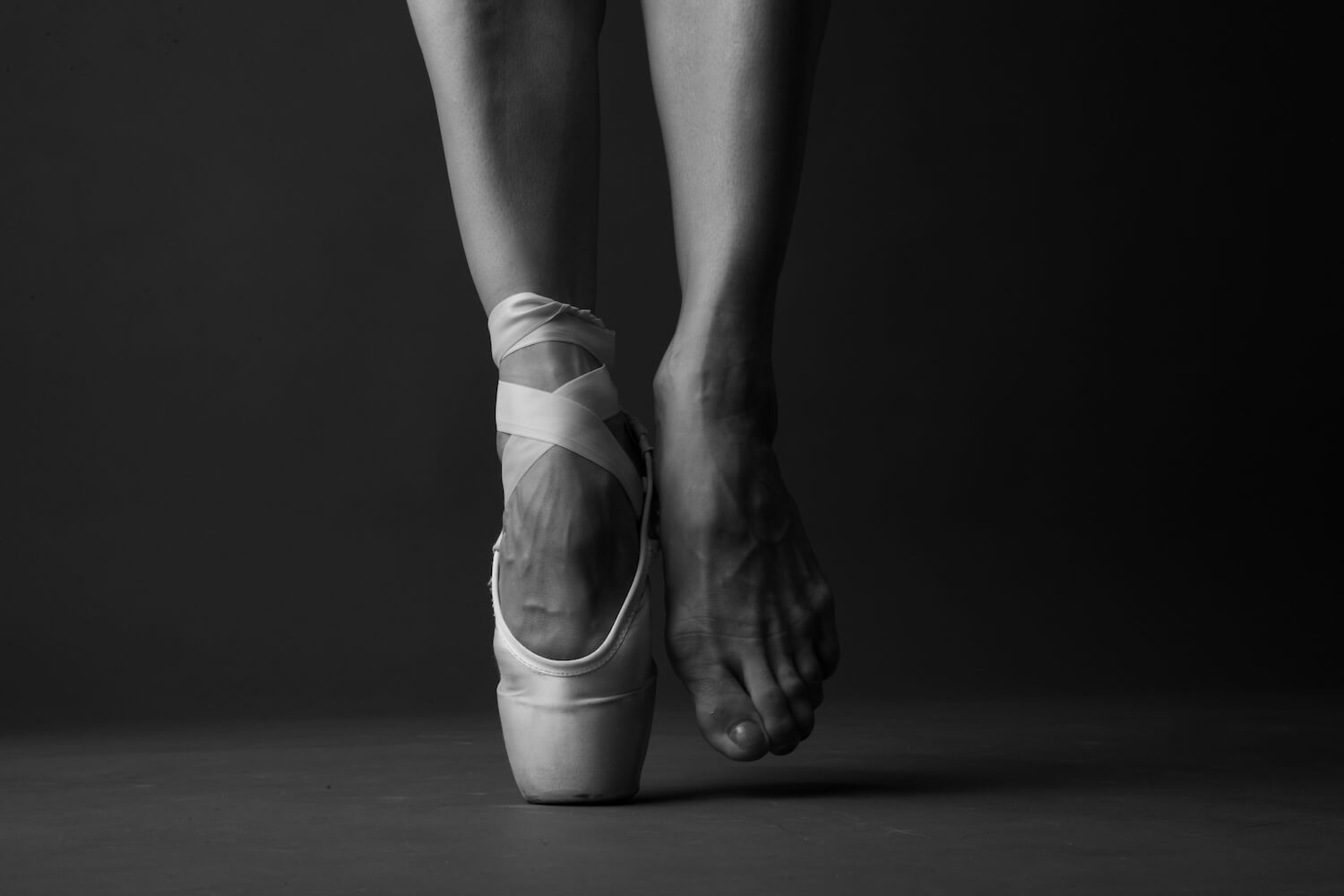
Oh ya! You finally got permission to go on pointe! Now it’s time to choose your pointe shoes. We have an entire guide to for pointe shoe fitting here, but we always recommend to find your nearest professional to do an on-site fitting. The right fit ensures that you’ll be able to perform safely and build a rock-solid foundation for your technique. As you get ready for your pointe shoe fitting, here are a few common problems you may run into.
Common Pointe Shoe Problems
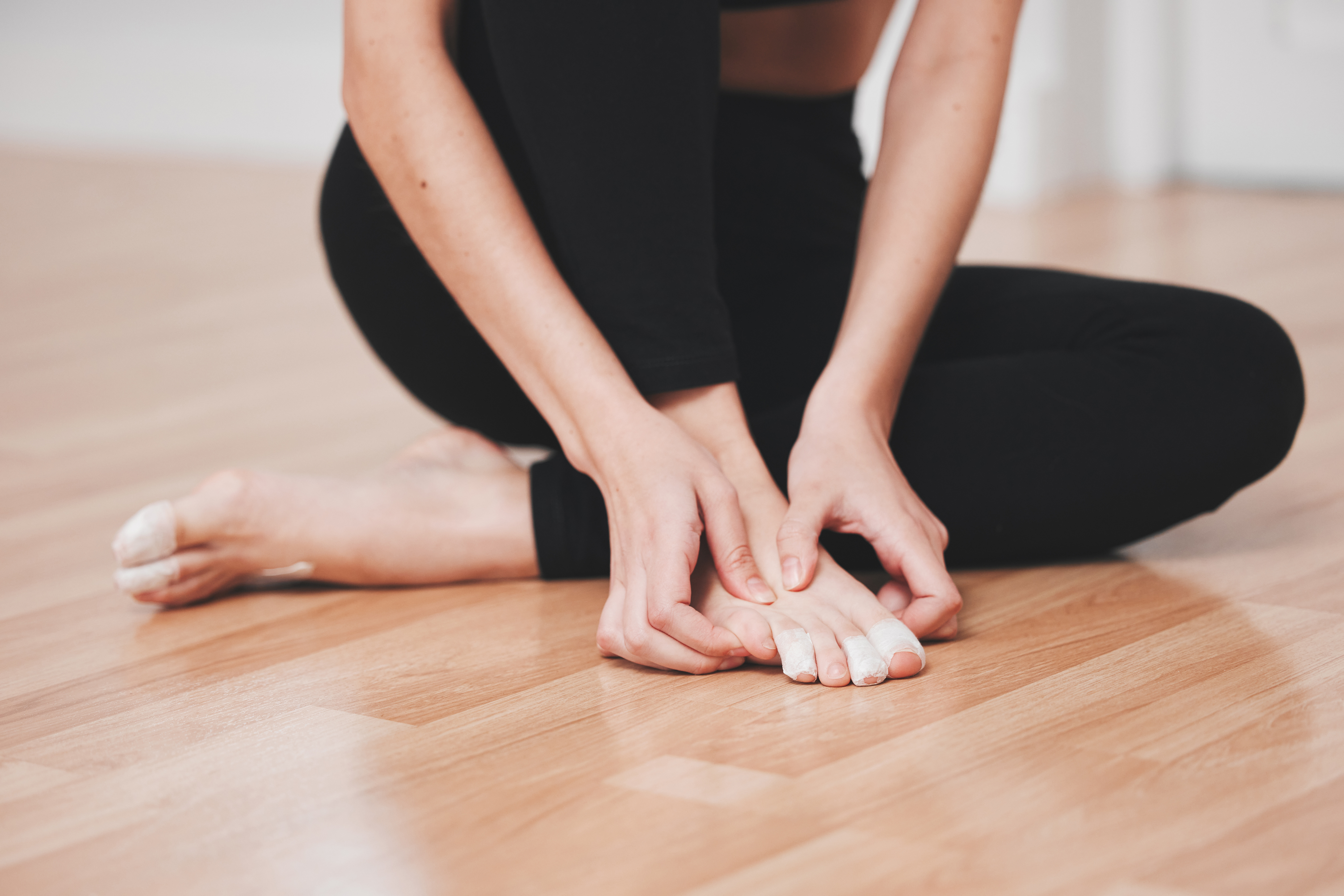
Pressure on your big toe If you’re experiencing too much pressure on your big toe that most likely means you’re sinking into the box. To solve this, look for a more tapered pointe shoe. However, if you have long toes, then you may regularly experience a little more pressure on your big toe when you’re on pointe. Pinching in the Metatarsal There’s a problem with the width of the shoe. The width is correct when your feet are able to stay flat when on the floor, with no wiggle room when inside the shoe. Sickling Sickling is a common problem on pointe when dancers have difficulty getting over the box. To compensate, the dancer often relies on using her pinky toe to push. To solve this common problem, look for a softer shank. This will help you achieve better form without learning bad habits. Like we mentioned before, always make sure to get fitted by a professional. When you run into problems with your pointe shoes, you encounter pain, discomfort, blisters, black toenails and even stress fractures. Yikes, right? Avoid the common pointe shoe problems that we mentioned above and you’ll set yourself up to strengthen the right muscle groups, learn correct form, avoid bad habits, and have an overall better experience.
Good to know
Frequently Asked Questions
Why do I feel too much pressure on my big toe in pointe shoes?
Excessive big toe pressure usually means you are sinking into the box of the shoe. Trying a more tapered pointe shoe often helps, though dancers with long toes may naturally feel a bit more pressure on the big toe when on pointe.
How do I know if my pointe shoes are the right width?
The width is correct when your feet stay flat on the floor with no wiggle room inside the shoe. Pinching in the metatarsal area is a sign the width is off.
How can I stop my foot from sickling on pointe?
Sickling often happens when a dancer struggles to get over the box and compensates by pushing with the pinky toe. Looking for a softer shank can help you achieve better form without building bad habits.
What happens if my pointe shoes do not fit properly?
A poor fit can lead to pain, discomfort, blisters, black toenails, and even stress fractures. A correct fit helps you strengthen the right muscle groups and learn proper form.
Should I get fitted by a professional for pointe shoes?
Yes. A professional on-site fitting is strongly recommended because the right fit lets you perform safely and build a solid foundation for your technique.