Discover
Pointe Shoes for Roman (Giselle) Feet: Best Picks & Fit
Got Roman feet? Here are the best pointe shoes for Roman and Giselle feet, plus the box shape and fit tips that keep those square toes happy.
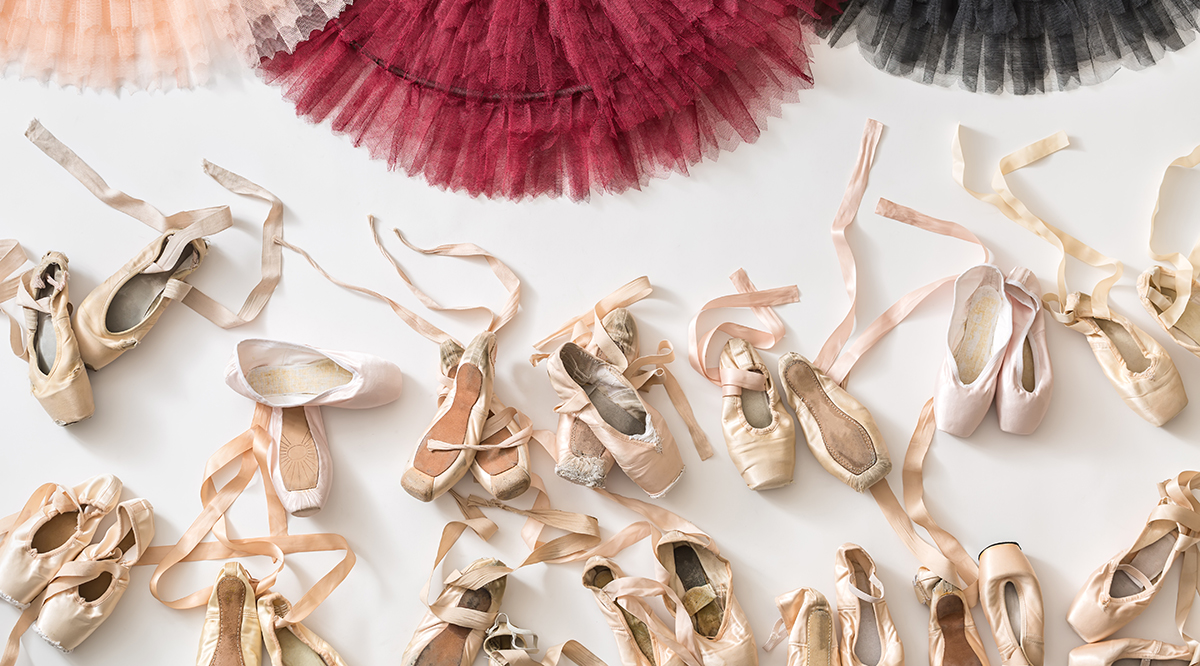
Roman-footed dancers, this one’s for you. If you’ve been waiting for a pointe shoe roundup made for your foot shape, today’s your day. We pulled together a long list of shoes that fit Roman and Giselle feet, plus how to know if you’ve got them. But first, the quick rundown.
What are Roman (Giselle) feet?
Roman feet, Giselle feet, peasant feet. Three names, one foot. They all describe the same thing, so if you searched “roman feet” and landed here, you’re in exactly the right place. Roman is the term you’ll hear most these days, but plenty of dancers still say Giselle, and your grandma’s ballet book probably called it peasant.

People usually say Roman feet means all your toes are the same length, but that’s not quite right. It’s pretty rare to see a little toe that matches the rest. So the simplest way to spot a Roman or Giselle foot is this: your first three toes are more or less the same length, which makes the front of your foot look square instead of sloping down like a staircase. Not sure which shape you’ve got? Our foot shape guide walks you through it in about ten seconds.
The good news about Roman feet
Here’s the deal, and it’s mostly good. Roman and Giselle feet are actually great for pointe. Having your first three toes at the same length gives you a wider, steadier platform to balance on, kind of like standing on a flat board instead of a narrow beam. Your Grecian and Egyptian dance sisters don’t get that built-in advantage.
The one trade-off? You can’t wear tapered pointe shoes. A tapered box narrows to a point at the front, which squeezes your square toes right at the corners. Not fun. So if pointed boxes are out, what’s in? Square and broad boxes that give all three long toes somewhere to live. Here’s our list.
Best Pointe Shoes for Roman and Giselle Feet
A quick note before we dive in. Two bits of jargon show up a lot below. The box is the stiff front part of the shoe that holds your toes, and the shank is the stiff insole under your arch that gives your foot support. The vamp is the front section of fabric covering the top of your toes. Now, the shoes.
Russian Pointe
Russian Pointe Muse This one has an extra wide box built for Roman feet. It’s very square and boxy overall, with sharp square edges on the platform, and it works well for dancers with wide feet and medium to low arches. Heads up: rolling up onto pointe can feel a little strange in these at first and may take some getting used to.
Russian Pointe Brava and Rubin The Brava and Rubin are Russian Pointe’s most popular shoes by a mile. The Brava has a wide platform and a narrower heel, and it’s great for dancers who tend to pronate, meaning your ankle rolls inward. The Rubin sits lower and shares a lot of the Brava’s perks. These are two of the best options going for Roman and Giselle toes.
Russian Pointe Lumina The Lumina isn’t only for Roman and Giselle feet, but it’s ideal for square feet, the kind that don’t taper back toward the heel and stay pretty straight all the way. The nice trick here is that it keeps your square feet from looking boxy.
Capezio
Capezio Airess Think of the Airess as a mix-and-match shoe. You pick different shanks and vamps to match your foot, and the Airess even lets you choose the toe box. Your choices include a tapered one for Egyptian toes and a broader one for Roman and Giselle feet. Dancers rave about this shoe, though a few mention it goes soft pretty quick, so keep some Jet Glue handy.
Capezio Aria Call this the anti-stink shoe. It uses a suede lining that keeps moisture from soaking in, and most dancers who’ve worn it say it rarely smells, which helps the shoe last longer too. It’s a good swap if you used to wear the Plie 1, with a wider box for square toes.
Capezio Glisse Let’s start here: the Glisse is one of Capezio’s most popular shoes ever. It was designed by former dancer Gina Chant and recommended for Roman and Giselle feet. Fans love the high U-shaped vamp, which gives a nice line and solid support for longer toes. The wide toe box makes a great platform. If you’ve got low arches, you’ll like how the shaved shank works with your feet. And to keep this honest, some dancers do complain about a baggy heel, the elastic drawstrings, and the longer platform getting in the way.
Capezio Glisse Pro Picture the Glisse. The only difference is a few tweaks, like less material in the heel to tighten up the fit.
Capezio Plie 2 This is a go-to Roman and Giselle shoe. It’s super square and made for shorter toes. It may not be the prettiest shoe on the shelf, but it’s really comfy if it matches your foot type.
Capezio Tendu Like the Plie 2, the Tendu is for very square feet with shorter toes. It’ll look boxy too, but if that’s your foot, there may not be many other options. And please don’t buy shoes that don’t fit just because they look nicer.
Bloch
Bloch Aspiration Bloch labels the Aspiration a student shoe. It’s great for Giselle feet, with a medium profile and a full shank that flexes at the three-quarter position. The harder box makes it good for beginners, which is why teachers recommend it so often.
Bloch Balance European You may have heard some rough things about the Balance European. So have we. But if you’ve got Roman or Giselle feet with narrow heels, these should fit you perfectly. The box is wide with extra padding, and the shoes still look flattering on your arches. They take a little extra to break in, so don’t be surprised if the first few wears feel stiff.
Bloch B Morph If you’re a beginner, skip these. They’re built for advanced dancers and pros. The square box is perfect for low profile Roman and Giselle feet, and it has a nearly unbreakable plastic insole. They use Bloch’s thermal paste, so you break them in with a hairdryer and a walk around the room.
Bloch Serenade Bloch shoes are popular across every foot shape. The Serenade suits dancers with low profile feet, and it’s even better for Giselle toes, narrow heels, and low profiles. The strong shank and long vamp are great if your feet are also very flexible. It keeps you from falling over the box on pointe and helps prevent sickling, which is when your ankle rolls outward and the foot curves in.
Bloch Serene The Serene is exactly like the Serenade but with a V-shaped vamp. A lot of dancers pick it because the V looks more flattering on the foot. Personal preference, really.
Bloch Sonata The Sonata is another Bloch shoe that works with different foot shapes. Its TMT heat-activated system helps the shoe mold to almost any foot for great comfort. Most dancers we’ve talked to prefer models made more specifically for their feet, but use what works for you.
Bloch Synergy Built on the Y-last, the Synergy is wider at the metatarsals, the ball of your foot, and made with Bloch’s moisture-activated paste. It’s a great pick if you have bunions.
Fuzi
Fuzi Pointe Shoes You may or may not have heard of Fuzi. They were designed by Chinese ballet dancer and Kentucky Ballet Theatre co-founder Xijun Fu and his wife Fang Li. The two Fuzi models are built with a square box and long vamp, and they come in a full sole or split version, so pick the one you like best.
Harmonie
Harmonie Melody Harmonie isn’t as well known as other pointe shoe brands, but their Giselle-friendly shoe has a bit of a cult following. It uses silent technology and a medium-strength three-quarter shank with a long vamp.
Grishko
Grishko Elite The Elite is one of only two Grishko shoes made to fit Roman and Giselle toes. It has a lot in common with other shoes here, but with a super shank that isn’t pre-arched. If the Elite isn’t square enough for your toes, look at the Triumph, which is even squarer at the box.
Grishko Triumph This is the widest and squarest shoe Grishko makes. Some people also suggest the Nova, but that one’s built more for Egyptian toes. The Triumph is really light and uses a new glue that makes it more durable.
Mirella
Mirella Academie This is a beginner shoe, and that’s not a knock, just a note to match your choice to your foot shape and skill level. It has a higher vamp and sides to help your foot stay in position, plus a stronger shank to build strength. It’s made to ease the jump from canvas shoes to pointe.
Mirella Elegance The Elegance is all about quiet. It’s an under-the-radar shoe that uses a special paste and pleated cushioning to stay exceptionally quiet. The box runs wider, which makes it a good fit for Giselle feet.
Mirella Advanced Remember how we said there aren’t many pretty options for square, short toes? The Advanced is one of the rare ones. It’s durable, with a U-cut vamp and cutaway sides that show off the instep. Even with the square box and low vamp, it’s comfortable and flattering for short-toed dancers.
Mirella Professional One of the coolest things about the Professional is that the insole is only glued up to the two-thirds mark, so experienced dancers can cut or tweak it to taste. And even with the square box, these look really flattering.
Leo’s
Leo’s Split Sole Let’s start with the bad. Plenty of dancers say these die quickly, so be ready to replace them often or save them for performances. Even as a split sole, this model still gives support where you need it most. The upside of a split sole is a faster, easier break-in and a better line for your foot.
Leo’s Inspiration Where the Split Sole is more of a performance shoe, the Inspiration is a classroom shoe. It has a broad, square box for wide and Giselle feet, plus a medium profile and high vamp. As always, check with your teacher first, since these come in 3/4 and full shank and not every teacher approves of 3/4 shanks.
Prima Soft
Prima Soft Royale The Royale has one of the lowest profiles of any pointe shoe, with a medium shank and a long, deep V-shaped vamp. A great option for Giselle toes.
Prima Soft Gala The Gala runs naturally big and is surprisingly quiet. You can choose a natural or hard shank, and it has a very square box. The vamp is longer to fit a larger foot, so order a couple sizes down or try them on in-store to match your true size.
Sansha
Sansha Etudes Sansha makes two models that work well for Roman and Giselle feet: the Etudes and the Recital. The Etudes has a broad, flat toe box and low profile, which makes it perfect for short-toed Giselle dancers. It also uses Sansha’s replaceable shank and Whisper-quiet toe.
Sansha Recital The Recital is a good shoe with a couple of quirks. It has the same features as the Etudes, plus elastic that comes already attached and a longer vamp. Some dancers say the elastics are sewn in the wrong spot for their feet, which is why we usually tell dancers to skip shoes with pre-sewn elastics and sew their own.
One last thing before you buy
The right shoe on the shelf still has to be the right shoe on your foot. A square box is your starting point, not the finish line. Get a proper fitting, tell the fitter you’ve got Roman or Giselle feet, and try a few boxes before you commit. Want the full walkthrough? Read our complete pointe shoe fitting guide. Your toes will thank you.
Good to know
Frequently Asked Questions
What are Roman or Giselle feet?
Roman feet, also called Giselle or peasant feet, are the ones where your first three toes are about the same length, so the front of your foot looks square instead of sloped. Your little toes almost never line up too, so the easiest way to spot this shape is those first three toes sitting roughly level.
What pointe shoes are best for Roman feet?
Look for a square or broad box that gives all three long toes room. Popular picks include Russian Pointe (Brava, Rubin, Muse), Capezio (Glisse, Plie 2), Bloch (Aspiration, Serenade), and Grishko (Elite, Triumph). The right one still comes down to your own foot, so get fitted before you buy.
Are Roman or Giselle feet good for pointe work?
Yes. Having your first three toes at a similar length gives you a wider, steadier platform to balance on than Grecian or Egyptian feet get. The one catch is that tapered pointe shoes pinch that square front, so you will want to skip those.
What box shape should Roman feet look for?
A square or broad box, not a tapered one. A tapered box narrows to a point and squeezes your even-length toes at the corners, which gets old fast. Lots of brands make wide, square-boxed models built for exactly this foot type.
Why should I avoid pointe shoes with pre-sewn elastics?
Pre-sewn elastics, like the ones on the Sansha Recital, are sometimes stitched in a spot that does not match your foot. Sewing your own lets you put them where they actually hold your foot in place, so most fitters suggest skipping the pre-sewn kind.