Discover
Behind the Curtain: A Day in the Life of a Professional Ballet Dancer
People often ask me what it’s really like to be a ballet dancer. Do we just rehearse, perform, and drink green smoothies all day? Well, yes and no.
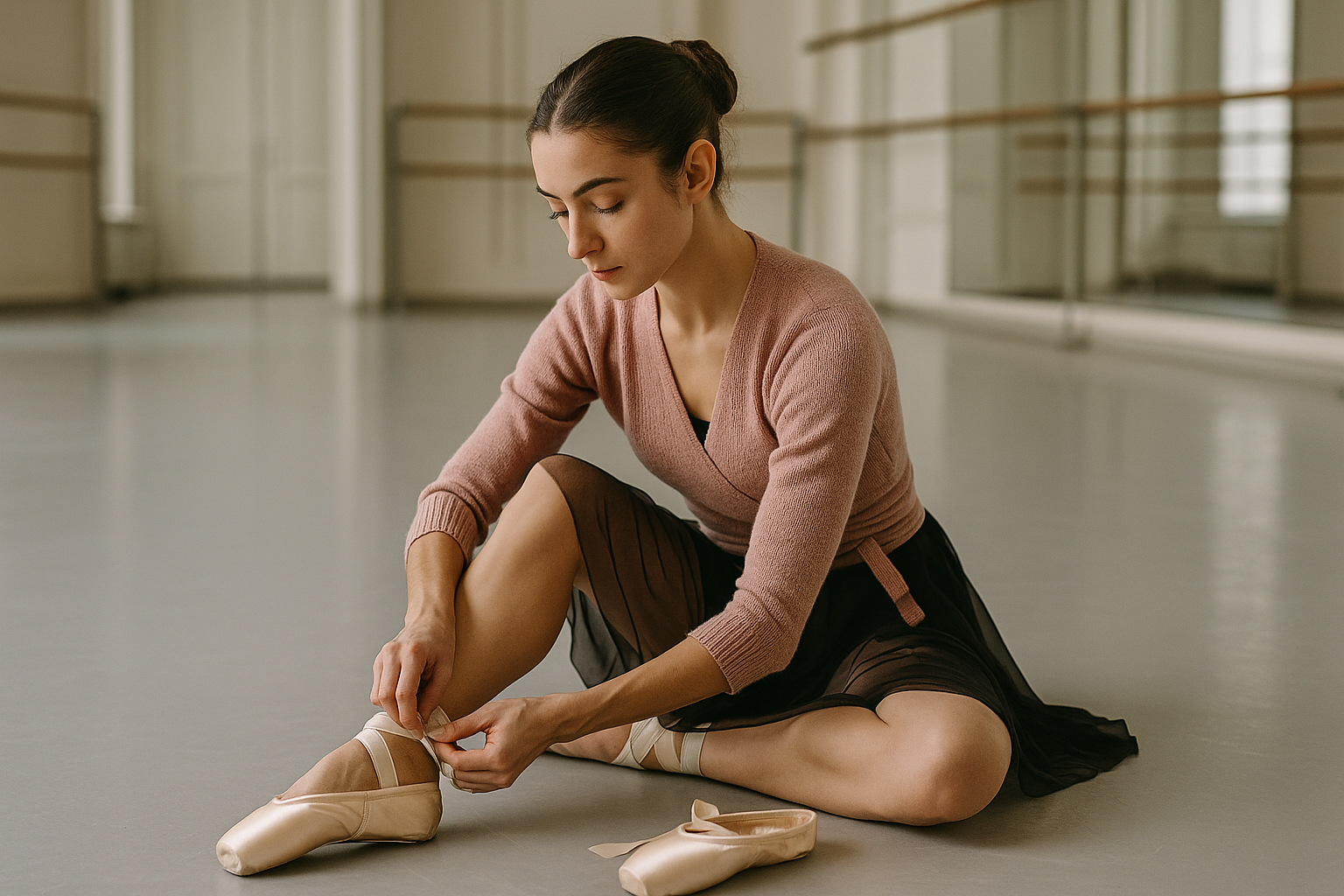
People often ask me what it’s really like to be a ballet dancer. Do we just rehearse, perform, and drink green smoothies all day? Well—yes and no. There’s a certain magic to being a dancer, but there’s also a ton of structure, sweat, and repetition behind every perfect pirouette you see on stage. In this article, I’m sharing an inside look at a day in the life of a ballet dancer—based on my own experience and that of many dancers I’ve worked with.
Morning: Routine, Recovery & Barre
7:00 AM – Wake Up & Stretch
My mornings usually begin with gentle stretching or a short walk. It’s about waking up the body without overwhelming it. Recovery is crucial—especially after late-night performances.
8:00 AM – Fuel the Body
Breakfast varies depending on the day’s workload, but usually includes:
- Complex carbs (oats, toast)
- Protein (eggs, yogurt)
- Hydration (lots of water + coffee for me!)
For more tips on fueling up for a day of dance, check out our Nutrition Tips for Ballet Dancers.
9:00 AM – Arrive at the Studio
Most companies require dancers to be in the studio early to warm up before company class. It’s our version of checking in at the office—but in tights.
Midday: Class & Rehearsals
10:00 AM – Company Class
Company class is the daily maintenance work. It’s a full 90-minute technique class, starting at the barre and moving to center work. Even after years of dancing, this class is essential—it keeps us strong, sharp, and ready.
11:30 AM – Rehearsals Begin
Depending on the season, we might be rehearsing:
- Classical repertory like Giselle or Sleeping Beauty
- Contemporary works from new choreographers
- Touring material for international performances
Rehearsals can go for hours at a time, with short breaks in between. And yes, we rehearse the same variation dozens of times.
If you’re curious how different companies choose their material, read our article on Emerging Ballet Companies doing innovative things with repertory.
Afternoon: Cross-Training & Costume Fittings
2:00 PM – Physical Therapy or Conditioning
If we’re lucky, there’s time to squeeze in some cross-training. Pilates, theraband exercises, or even just foam rolling can help with:
- Preventing injury
- Building endurance
- Improving turnout and alignment
You can learn more about this in our post on Cross-Training for Ballet Dancers.
3:00 PM – Fittings or Coaching
Some days include meetings with costume departments or one-on-one coaching with artistic staff. Every role requires refinement—character work, musicality, even the way we breathe on stage.
Evening: Performances or Cool Down
5:00 PM – Dinner & Downtime
If there’s no show, I eat something light and healthy and take a short rest. If we have a performance, I’ll keep things minimal—often just soup, fruit, and fluids.
6:30 PM – Call Time
Back to the theater. We stretch, warm up, do our hair and makeup, and get into costume. This is when the nerves start to kick in—but also the adrenaline.
7:30 PM – Curtain Up
Whether it’s a leading role or an ensemble number, the moment the music starts, it all comes together. The rehearsals, the sore muscles, the endless repetition—it’s all worth it for those fleeting moments under the lights.
Final Thoughts: It’s Not Glamorous, but It’s Worth It
Ballet is both a passion and a profession. It demands everything—your mind, your body, your time. But there’s nothing like the feeling of telling a story through movement and connecting with an audience without saying a word.
If you’re inspired to start dancing at any age, read our guide on Ballet for Different Age Groups. Trust me—it’s never too late to experience the beauty and challenge of ballet.
Good to know
Frequently Asked Questions
What does a typical day look like for a professional ballet dancer?
A day often starts with gentle stretching and breakfast, then company class around 10 AM, hours of rehearsals, afternoon cross-training or costume fittings, and either an evening performance or a light dinner and rest.
What is company class in ballet?
Company class is the daily maintenance work, a full 90-minute technique class that starts at the barre and moves to center. Even experienced dancers rely on it to stay strong, sharp, and ready to perform.
How many hours a day do professional ballet dancers rehearse?
After a 90-minute morning class, rehearsals can go for hours at a time with short breaks, and dancers often repeat the same variation dozens of times in a single day.
Do professional dancers do cross-training?
Yes. When there is time in the afternoon, dancers fit in cross-training like Pilates, theraband exercises, or foam rolling to prevent injury, build endurance, and improve turnout and alignment.
What do ballet dancers eat during the day?
Breakfast usually includes complex carbs like oats or toast, protein like eggs or yogurt, and plenty of water. Before a performance, dancers often keep it light with something like soup, fruit, and fluids.
Is being a professional ballet dancer glamorous?
Not entirely. Behind the polished performances there is a lot of structure, sweat, and repetition, but dancers describe the feeling of telling a story through movement and connecting with an audience as making it all worth it.