Pointe-rs
How to Get Ready for Pointe Shoes
Think you're ready for pointe shoes? Learn what teachers look for and how to get ready to dance on pointe shoes. BalletBox is the #1 resource for everything ballet.
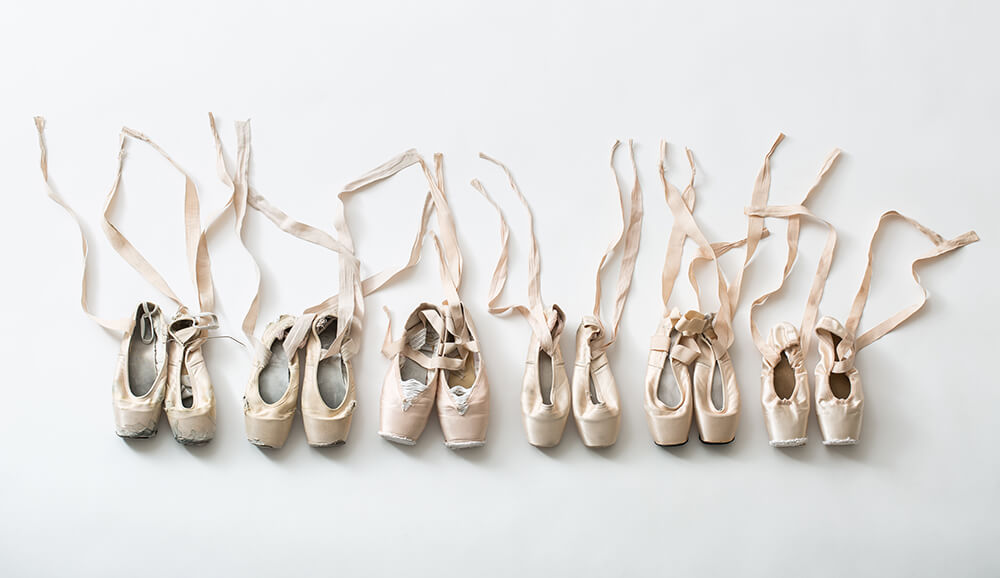
Dancing on pointe is something every ballet dancer looks forward to. But getting there can take time, patience, and years of training. Whether you like it or not, the decision to go on pointe falls on your teachers. They have the ultimate say in deciding if you’re ready for pointe shoes. Ballet instructors can use some quick criteria to decide if a young dancer is not ready to dance on pointe, such as her age (if you’re too young), your strength and conditioning, attentiveness in class, or frequency of training. Getting ready for pointe shoes is something we all strive for, but making sure your teachers see you’re ready is key. Below is a list of 11 skills that show teachers you’re ready for pointe shoes.
How to get ready for pointe shoes
- Responsibility - Show teachers that you’re attentive and responsible. Dancing on pointe is a huge responsibility. Bring all ballet equipment needed for class and dress appropriately
- Attention - Pay close attention in class and apply corrections to form and techniques.
- Turnout in Motion - Dancing on pointe is much harder than on flat. You’ll need to be able to dance and maintain your turn out or you can forget about being to hold it on pointe.
- Effective use of plié
- Proper ankle and foot alignment
- Piqué passé - Make sure you can pique passe in motion and with a straight leg.
- Repeated releve - This comes with time training, but teachers will look for your ability to perform repeated releve in the center without getting tired or losing form.
- No Sickling - Sickling is a sign of poor technique and proper conditioning. If your foot sickles than you put yourself at risk of injury from falling when on point.
- Posture - Before going on pointe, you’ll want to have any posture problems figured out. Poor posture will result in trouble maintaining your balance when on pointe.
- Pointed feet (with straight toes) - To dance on pointe, you must be able to straighten your toes without any curling. Curled toes lead to knuckling.
- Balance on one leg on demi-pointe - To dance on pointe you must be able to hold your balance on demi-pointe without wobbling.
And once you’re ready for pointe shoes, make sure to check out our pointe shoe fitting guide before making any decision on the shoes you ultimately buy.
Good to know
Frequently Asked Questions
Who decides when a dancer is ready to go on pointe?
The decision falls to your teachers, who have the ultimate say. They evaluate factors like your age, strength and conditioning, attentiveness in class, and frequency of training.
What skills do teachers look for before pointe work?
Teachers look for skills such as maintaining turnout in motion, effective use of plie, proper ankle and foot alignment, piqué passé with a straight leg, repeated releve without fatigue, no sickling, good posture, pointed feet with straight toes, and balance on one leg on demi-pointe.
Why is balancing on demi-pointe important before going on pointe?
To dance on pointe you must be able to hold your balance on one leg on demi-pointe without wobbling. This control transfers directly to the stability you need on pointe.
Why does sickling matter when preparing for pointe?
Sickling is a sign of poor technique and insufficient conditioning. If your foot sickles, you put yourself at risk of injury from falling when on pointe, so teachers want to see it corrected first.
Can I speed up the process of getting ready for pointe?
Getting to pointe takes time, patience, and years of training. The most reliable path is showing responsibility, applying corrections, and demonstrating the strength and technique skills teachers look for so they can see you are ready.