Exercises
Non Weight Bearing Exercises for Ballet Injury Recovery
Non weight bearing exercises for ballet and dance injury recovery. Find the best injury recovery workouts for ballet.
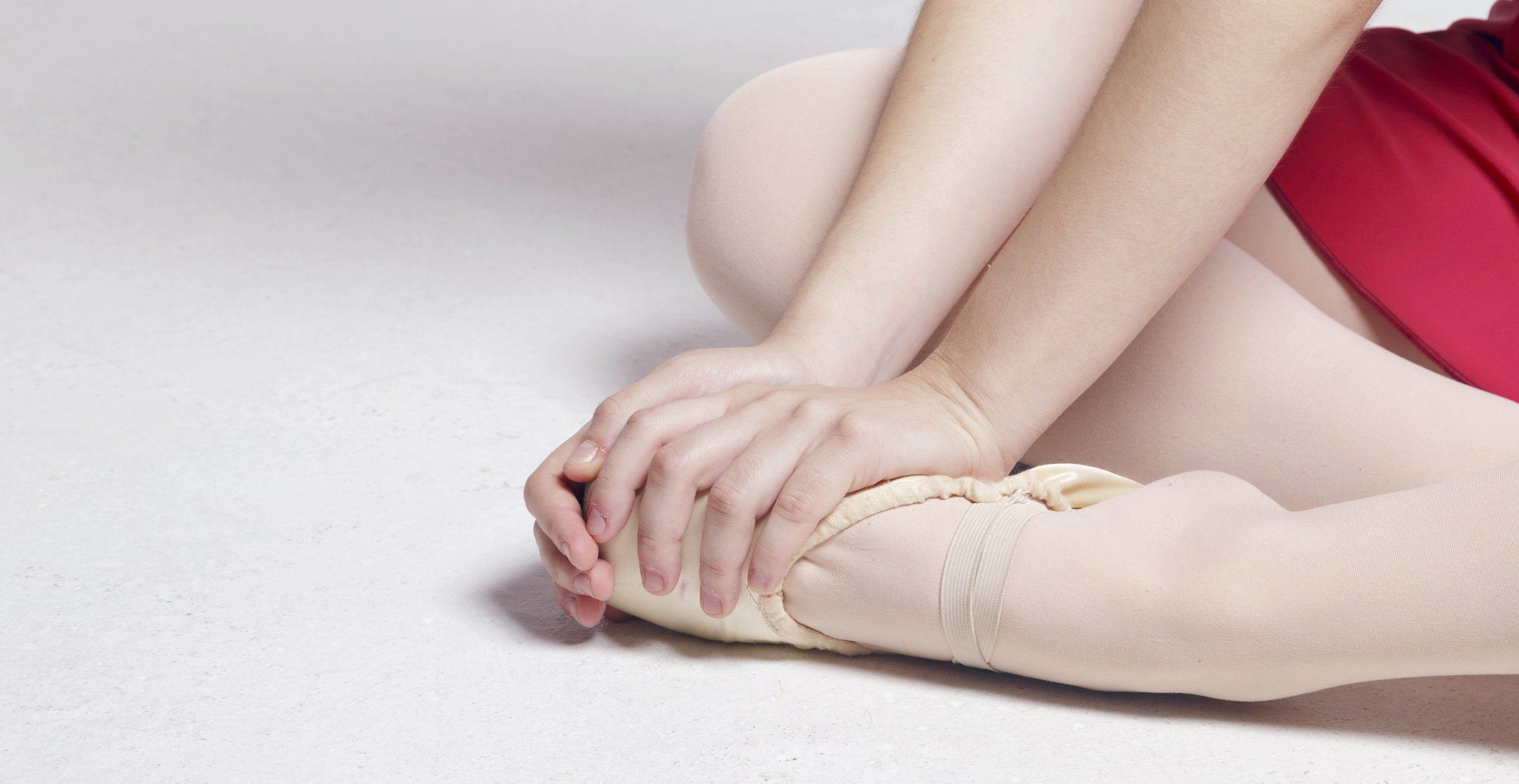
I’ve gone through several injuries during my time dancing. I’m not sure if I’m just prone or what. But I’ve strained everything from calf muscles, to hamstrings, hip flexors, sartorial muscles, battled bouts of plantar fasciitis, and even tore my ACL. On a good day, I’m like a walking Mummy— completely wrapped in bandages.
On the flip side to being sidelined by injuries, there’s always the road to recovery.
Non Weight Bearing Exercises for Ballet
Here are a list of some non weight bearing exercises for injury recovery:
- Floor Barre - Emily Sandow, PT, DPT, OCS, at the Harkness Center for Dance Injuries at New York University Langone Medical Center cites floor barre as one of the best ways to stay in shape while recovering from injuries. She uses Misty Copeland’s recovery from shin fractures as a prime example of how floor barre can help aid in recovery. She recommends using floor barre classes available on DVD or YouTube by Liebert, Zena Rommett and Stéphane Dalle. Below is a sample video of workout that can be found on YouTube.
- Swimming - Talk to any physical therapist and they’ll name two forms of cardio exercise as being ideal for injury recovery, swimming is one of them. Swimming allows you to do big motions without worrying about load bearing, and with no stress from impact.
- Recumbent Bike - Recumbent bikes are the second form of cardio that physical therapists highly recommend when recovering from injuries.
- Dorsiflexion - This is the opposite of pointing your toes, but involves bending your ankle towards your shin. This is a simple exercise that can speed the time it takes to walk normally again.
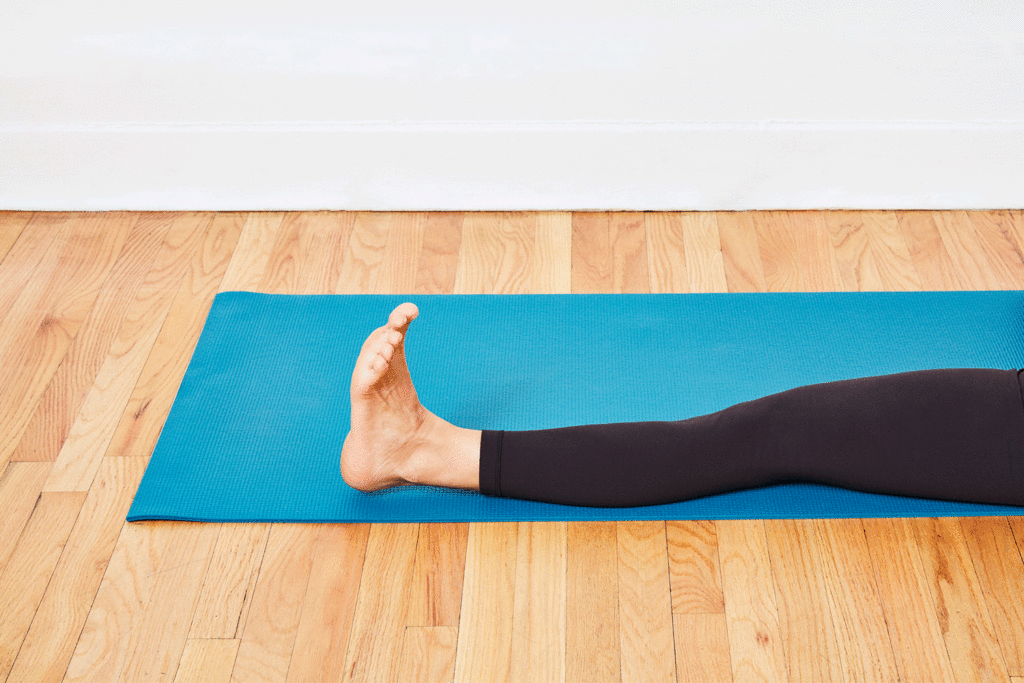
- Plantar Flexion - Plantar flexion is the act of pointing your toes downwards. Exactly as you would to put your feet into pointe position.
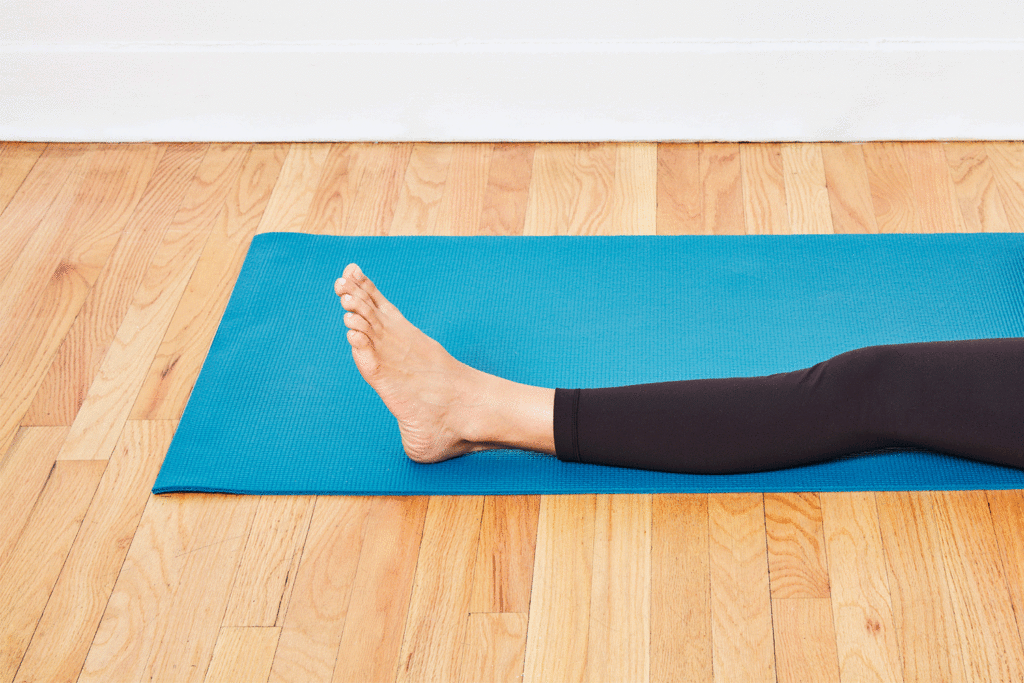
- Inversion and Eversion - Pointing your ankle inwards and outwards. These are all part of retaining and regaining range of motion and joint flexibility.
- Isometrics - If you’re able to without any pain, contract the muscle groups of different parts of your legs or feet, and hold the contraction for 15 seconds. Isometrics are a great way to stimulate your muscles.
- Resistance Bands - Make sure to listen to your body. If you feel any pain, or if you’re still too early in your injury recovery, then avoid adding any resistance. However, if you’re far enough along in your recovery, you can add resistance bands to your recovery workout.
Final Thoughts: Non Weight Bearing Exercises for Ballet Injuries
Injuries are tough. They can hinder your progress and be both physically, and mentally demanding. The hardest part for me has always been sitting still when you’re supposed to limit your movement. Over the years I’ve learned that using a regiment of non weight bearing exercises like the ones above (when given the thumbs up from a PT or family doctor) can get you back on the dance floor faster and stronger than before. Do you have an injury recovery story? Share it below!
Good to know
Frequently Asked Questions
What are non weight bearing exercises for ballet injury recovery?
They are exercises that let you stay in shape without loading the injured area, including floor barre, swimming, recumbent biking, dorsiflexion, plantar flexion, inversion and eversion, isometrics, and resistance band work when appropriate.
Is floor barre good for injury recovery?
Yes. A physical therapist at the Harkness Center for Dance Injuries cites floor barre as one of the best ways to stay in shape while recovering, and points to Misty Copeland's recovery from shin fractures as an example.
What cardio is best when recovering from a dance injury?
Physical therapists often recommend swimming and the recumbent bike, because both let you do large motions and get cardio without impact or load bearing stress on the injury.
What are dorsiflexion and plantar flexion exercises?
Dorsiflexion is bending your ankle toward your shin, the opposite of pointing, and plantar flexion is pointing your toes downward as in pointe position. Both help restore range of motion during recovery.
When can you add resistance bands during injury recovery?
Only when you are far enough along in recovery and pain free. If you feel any pain or are still early in your recovery, avoid adding resistance and always get the go-ahead from a physical therapist or doctor.