Discover
How Much Do Ballerinas Make
Learn how much professional ballerinas and ballet dancers get paid, as well as how to become a professional ballet dancer.
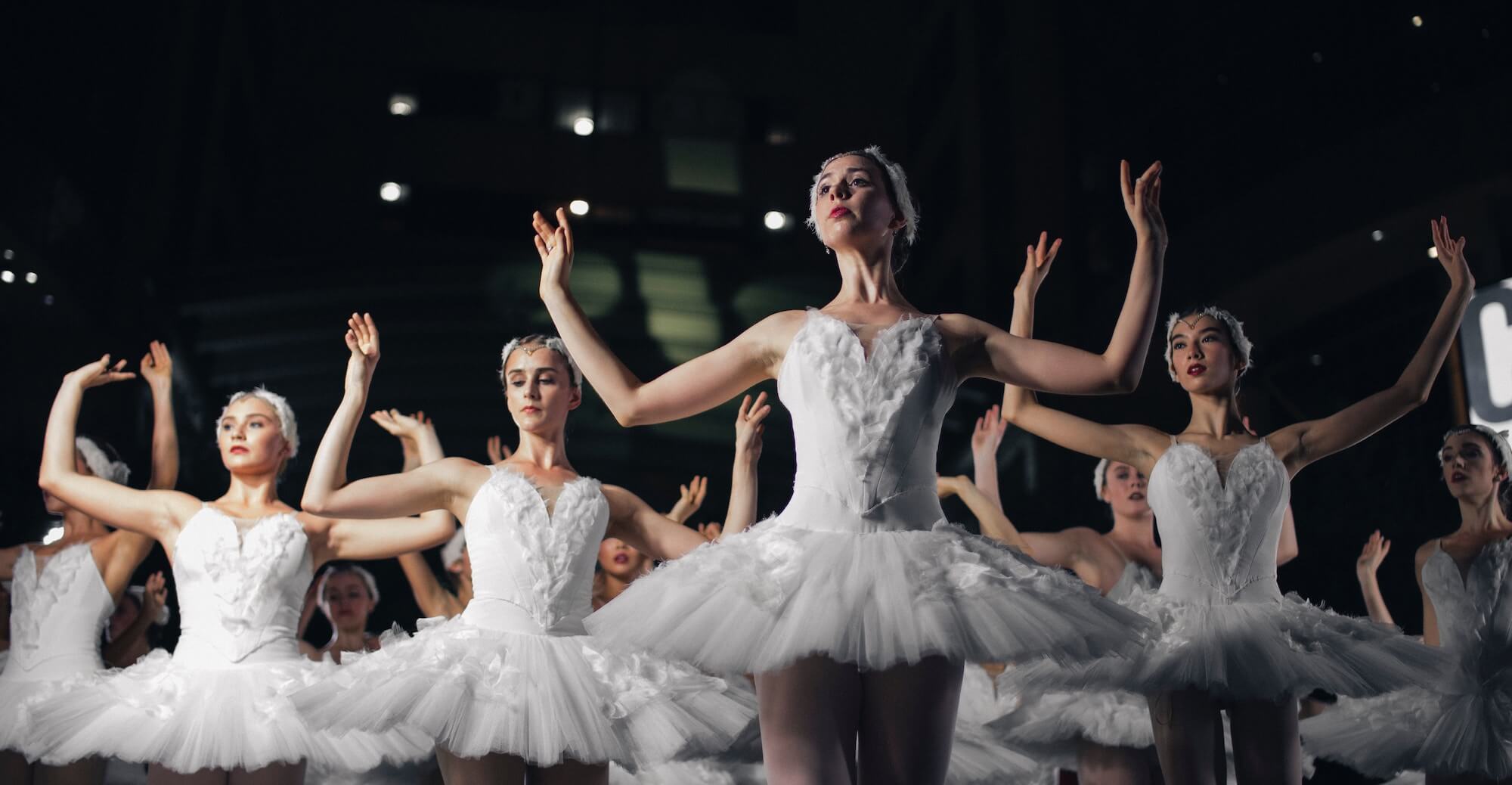
Growing up, a lot of us have dreams of becoming professional ballerinas. But becoming a professional ballerina takes a ton of hard work. While becoming the best ballet dancer in your class might be a great first step, there’s still more work that you need to do if you want to pursue ballet professionally. We’ve mentioned all the effort and training it takes to perfect your technique, but making the jump from amateur to pro also requires a significant amount of time outside of class. Below you’ll find everything you need to know about becoming a professional ballerina including how much ballet dancers get paid. If ever their salaries aren’t enough, they can try to win some on sites like .
How Much Do Ballerinas Make
There’s a saying that goes, “follow your passion, not your paycheck.” This runs true for professional ballerinas as the salary can range from cup of noodles for dinner to comfortable. Below you’ll find some rough salaries and pay for professional ballet dancers. Take note, they do vary quite a bit from company to company. Tulsa Ballet, corps member Salary $665/week Benefits: Health insurance, 40 pairs of pointe shoes per year, on-site physical therapist and massage therapist, gym membership and nutritionist Martha Graham Dance Company, dancer Salary: About $900/week Benefits: Full year-round health coverage Houston Ballet Average Salary: $62,973 Boston Ballet, first yearcorps member Salary: $1,262.53 per week St. Louis Ballet,first yearcorps member Salary: $325 per week
More Ballet Salary, Wage, and Pay Numbers…
- The median salary for ballet dancers is $30,007 annually in a range that spans $20,604 to $58,723 in 2018.
- Freelance gigs typically come in at $500 to $1,500 per performance.
- Apprentice Salary (New Dancer): $125 – $800 per week
- Corps de Ballet Salary: $325 - $1,500 per week
- Principal Dancer Salary: $53,000 - $150,000+ a year for the top companies
How to Become a Ballerina
Face it. The only way to become a professional ballerina is through hard work. Most ballet dancers start training a ballet school at the ages of five or six. They’ll typically train for unpaid hours, perfecting their technique, until they land an audition with a professional ballet company. Once in a professional company, they’ll start out in a junior ensemble or “corps de ballet” position. But competition never lets up. For some, this process can be pretty easy, but for others, you may go through several auditions before landing a contract. Until you’ve made it as a principal dancer, most supplement their salaries by taking other side jobs such as fitness instruction or teaching. But becoming a professional ballerina is a long road. So be prepared for the intense work, nonstop training, and never lose sight of your passion for dance. If you choose to go the freelance dancer option, then be prepared for additional challenges.
What is a freelance dancer?
A freelance dancer is someone who is brought in from show to show, but who is not part of the company. Work is less consistent, and it can be a challenging path for dancers looking for work. Most freelance dancers will work with several different companies. Here are some tips from John Eirich, a freelance dancer who juggled gigs with Dušan Týnek Dance Theatre and TAKE Dance, been a supplementary dancer with Mark Morris Dance Group, and now dances with Dance Heginbotham.
- If taxes are not withheld from your paycheck, be prepared to pay them at the financial year’s end. Eirich sets aside a savings account just for taxes. Compare junior isa and ctf then choose the best one for your lifestyle.
- There will be hiatus weeks when you don’t have a gig—prepare for them.
- Know that side jobs are a reality of most dancers’ lives. “I’ve worked at Starbucks, at a gym, as a physical therapist assistant. Remember: It’s okay.”
- Look for jobs within the dance world that come with perks you can use. “Being a work-study student always lowers the cost of classes. And, if a performing job offers you any sort of dancewear, take it!”
- Scrutinize your contracts carefully for what they’ll offer and require of you—but don’t forget why you’re looking for a dance job. “If a show doesn’t pay much, weigh the scheduling with your passion. If you believe in something artistically, you’ll figure it out.”
Good to know
Frequently Asked Questions
How much do professional ballerinas make?
Pay varies widely from company to company. The article cites a median salary of about $30,007 a year in 2018, with a range roughly spanning $20,604 to $58,723.
How much does a corps de ballet dancer earn?
Corps de ballet salaries generally range from about $325 to $1,500 per week depending on the company. For example, a first-year corps member at Boston Ballet earned around $1,262 per week, while St. Louis Ballet was listed at $325 per week.
How much do principal ballet dancers make?
Principal dancers at the top companies can earn from about $53,000 to $150,000 or more a year. Reaching principal takes years of work and competition, and most dancers start out in the corps.
Do ballet dancers get benefits?
Many companies offer benefits alongside salary. Examples in the article include health insurance, pointe shoe allowances, on-site physical therapy and massage, gym memberships, and nutritionist access, though this varies by company.
How do you become a professional ballerina?
Most dancers start training at a ballet school around age five or six and train for years, often for free, before auditioning for a company. New dancers usually begin in a junior ensemble or corps de ballet position and work their way up.
What is a freelance ballet dancer?
A freelance dancer is hired show to show rather than being part of a single company, often working with several companies. The work is less consistent, so freelancers typically take side jobs and set money aside for taxes and hiatus weeks between gigs.