Discover
Muscles Used in a Plie
Muscles used in a plie. Find a complete list of the muscles used in a plie, as well as basic information and videos to perform a perfect plie.
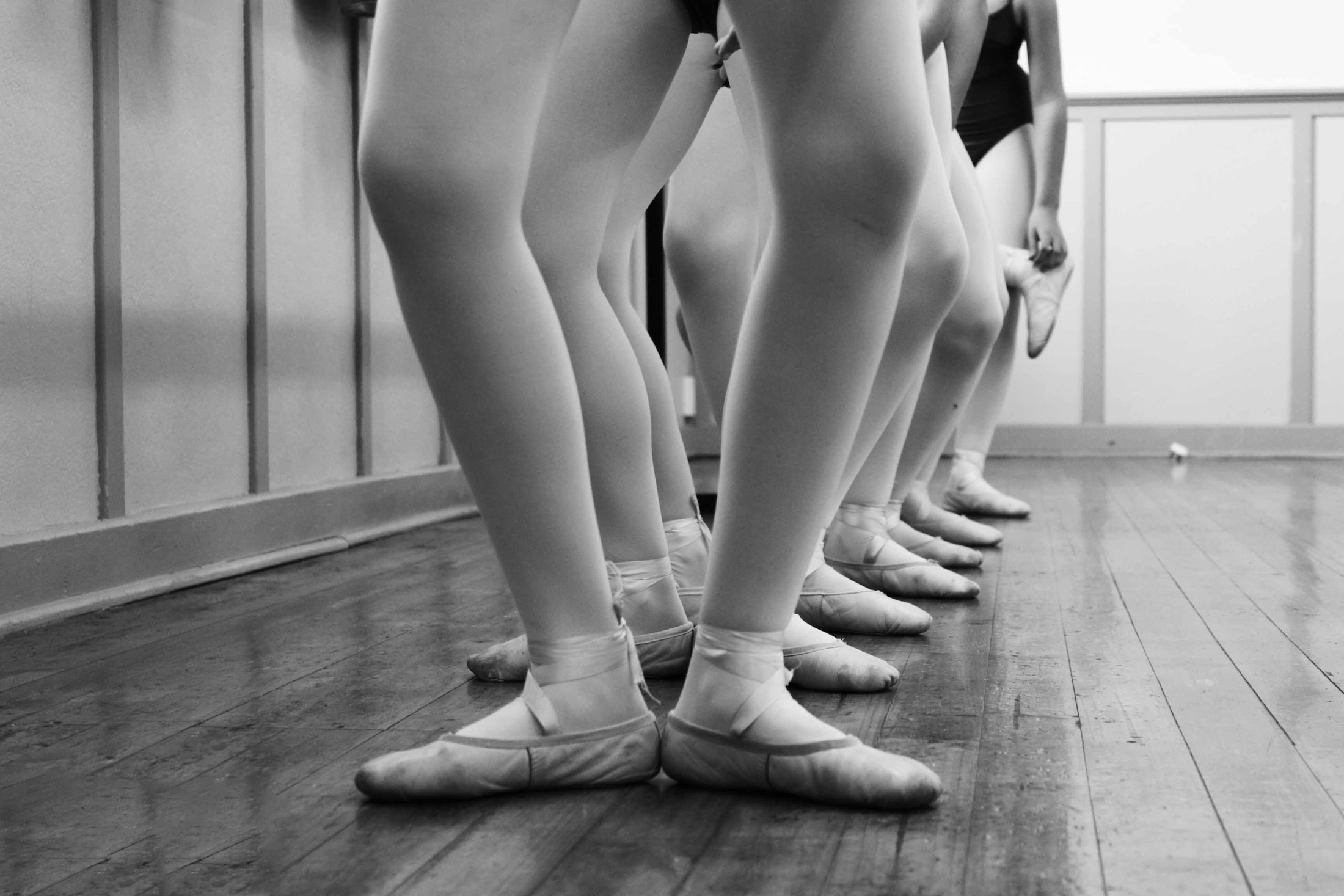
A plie is one of the basic movements in ballet that engages several muscles in your legs and core. Here is a simple breakdown of the muscles used in a pile.
All Muscles Used in a Plie
- Quadriceps
- Soleus
- Gastrocnemius
- Fibularis Longus
- Fibularis Brevis
- Flexor Hallucis Longus
- Flexor Digitorum Longus
- Tibialis Posterior
- Peroneus Brevis
- Abductor Digiti Minimi
- Plantaris
- Abductor Hallucis
- Flexor Accessorius
- Gluteus Maximus
- Abductor Magnus Ischial Part
- Abductor Longus
- Deep Six Lateral Rotators
- Biceps Femoris
- Rectus Abdominis
- Psoas Minor
- All Adductors and Pectineus
That’s a lot of different muscles right? That’s because a plie engages several muscle groups throughout your legs and feet as you go down and up in the movement.
How to do a Plie: Steps to do a plie
We’ll begin by listing out the different steps to do a plie, followed by video tutorials.
- Begin in first position - A plie is a simple movement where you bend your knees and straighten them. Begin a plie by starting in first position with your feet turned outwards, and your heels pressed against the floor, and back straight. Lightly keep your hand on the barre for balance.
- Bend those knees - Next, slowly bend your knees while keeping your knees over your toes.
- Lift your heels - Continue bending your knees with your back straight and pelvis tucked. Allow your heels to rise off the floor, and make sure that your hips are over your thighs directly over your feet.
- Straighten your knees - As you finish, push your heels to the floors and straighten your knees back into the starting position.
Final Thoughts: Muscles Used in a Plie
If you’re in the process of learning the basic steps in ballet, you’ll want to make sure you have the ballet essentials. Make sure to order your Basics Box to get the best ballet products you’ll need on a daily basis.
Good to know
Frequently Asked Questions
What muscles does a plie work?
A plie engages many muscles across the legs, feet, and core, including the quadriceps, gluteus maximus, adductors, calf muscles like the soleus and gastrocnemius, and core muscles like the rectus abdominis. It works several muscle groups as you bend and straighten.
How do you do a basic plie?
Begin in first position with your feet turned out, heels on the floor, and back straight, with a light hand on the barre. Slowly bend your knees over your toes, then push your heels back down and straighten your knees to return to the start.
Why does a plie engage so many muscles?
A plie engages several muscle groups throughout your legs and feet because you are controlling the movement both going down and coming back up. This full-leg and core engagement is part of what makes it a foundational ballet exercise.
Does a plie use core muscles?
Yes. Along with leg muscles, a plie engages core muscles such as the rectus abdominis and psoas minor, which help keep your back straight and pelvis controlled through the movement.
In which positions can a plie be done?
A plie is a basic bending of the knees that engages the legs and core, and it is practiced across the standard turned-out ballet positions of the feet. Keeping your knees tracking over your toes is key in each.