Discover
Ballet Summer Intensive Survival Guide
Ballet summer intensives can be exciting and stressful. Learn everything from how to audition for summer intensives, what to bring, and more.
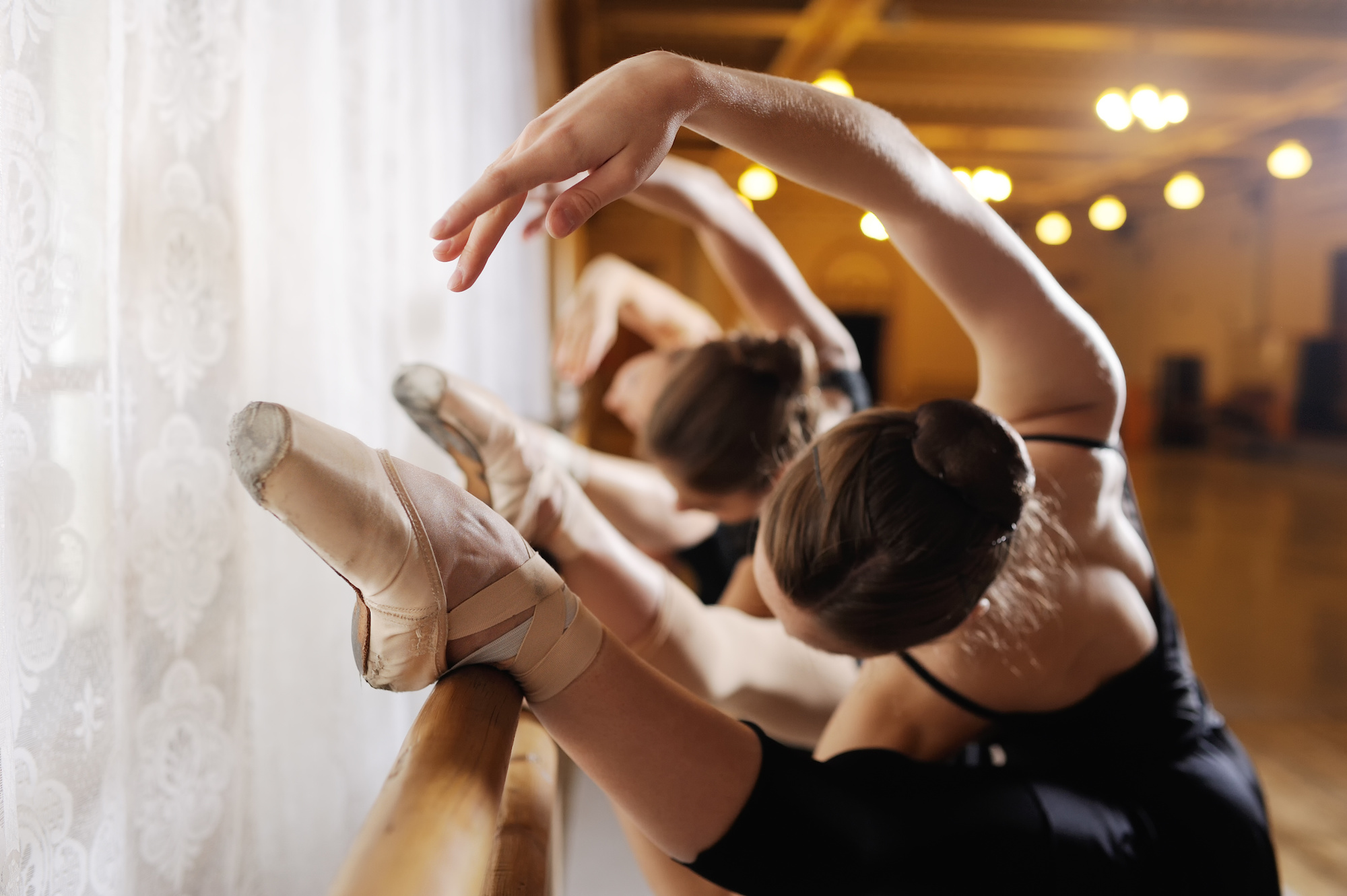
Summer intensives are great way to improve your technique, make new friends, and they’re an absolute must if you’re a serious ballet dancer.
Why? Because ballet summer intensives are just that - intense. You go away for summer in most cases, and you dance, dance, dance.
Before we get into the survival portion of this ballet intensive survival guide, let’s talk a little about choosing the right summer intensive for you.
How to Choose the Right Summer Intensive Program
When it comes to choosing the right ballet summer intensive, you’ll want to audition for a number of schools that are both large and small.
It’s always good to audition for a variety of schools because it allows you practice auditioning and to get used to the pressure that comes with it.
Key Criteria for Choosing a Ballet Summer Intensive: The key to choosing the right summer intensive for you will come down to the following criteria.
- Size of school - Larger schools will come with more name recognition but you may not get the same attention as you would in other schools.
- The faculty - If you know that your technique needs improvement or want to work with a specific teacher, then a smaller school would be a better fit. Overall, you want to find a program with a faculty with strong resumes and a track record for successfully training ballet dancers.
- Types of classes offered during the intensive - Each summer intensive will offer a variety of classes. Choose the ones that have classes that you think will help you reach your goals.
- Performance opportunities - Some programs will offer opportunities for traineeship or relationships with faculty that can provide “ins” to various performances. Choosing an intensive based on performance opportunities is a great way to reach your goals.
- Cost - Summer programs can vary in costs. Depending on your budget, you’ll want to find a summer course that fits
- Location - How far do you want to be? or how far can you afford to go?
For my first intensive, my parents enrolled me in a smaller school with a focus on the faculty and opportunities. I never quite realized how much of a blessing this was for me, as I was able to get more hand-on training with professionals, and made significantly more improvements than my counterparts at other summer programs. That being said, choosing a smaller school is not always the right answer for everyone. I know several schools who travelled across the country to attend larger summer programs and had very long careers in ballet.
In my opinion, it’s best to enroll in smaller intensives at a younger age, and as you get older, then start enrolling in larger programs as you prepare to enter their trainee programs.
Ballet Summer Intensive Guide: Auditioning
Before you even get started with your summer intensive, you’ll need to audition.
When choosing schools to audition for, you’ll want to research and prioritize to maximize your time. Look for programs that focus on styles and technique similar to yours to improve your odds of being accepted.
Next, you’ll want to maximize your audition weekends by looking at the various schools that will be holding auditions the lineup by place and date. Being organized is critical in making sure that you make the most of your time. We recommend trying to schedule two auditions per day to make sure you’re able to make the most of your trips and maintain the best performance possible. Any more than two auditions per day, and you may underperform.
You know how we mentioned being organized? Well, it pays off in more ways than one. Talk to other girls in your class and see who else might be interested in the same auditions you are. This can help you two split the travel costs which would otherwise be costly.
After you’ve researched nearby schools, you’ll want to align your program choice with your goals. Are you hoping to branch into a new style? become a professional? or trying to experience a college dance program?
Once you’ve prioritized your audition schedule based on your goals, you’ll want to relax. Anxiety will do you no good during the audition process.
Teacher’s are not expecting perfection but rather looking for how you handle challenges. The best auditions are the ones who forget about the pressure, and lose themselves in their movements.
What to bring to your ballet summer intensive?
So you got in to your summer intensive, now what?
Here is a complete list of everything you need to bring with you to your ballet summer intensive:
- All of your shoes you need for the day. Bring at least one pair of shoes for every thing you’ll need (and bring a bonus pair of pointe shoes)
- Ballet uniform - ballet skirt, three pairs of convertible tights (always be prepared), character skirt, leotards, etc.
- Clear nail polish for runs in tights
- A bun kit
- Deodorant (don’t be the smelly kid in class 😛 )
- Plenty of water
- Healthy snacks
- Cell phone
- Money
- Headphones (if you have to commute or to zone out with)
- A journal to write notes in and corrections
- One massage ball
- Theraband
- Toe tape, moleskin, and any other first aid items
- Pointe shoe kit
- Warmups and legwarmers
Summer Intensive Hygiene
Summer intensives are intense. But that doesn’t mean you should be walking around smelling, well… “intense.”
You can view here to know how to keep the B.O. to a minimum with these hygiene tips for your ballet summer program.
- Change dance wear daily. To fight off bad smells and infections, you need to wear a clean leotard and ballet tights every day. This is echoed by senior faculty from every program around the world, and it’s why our Ballet Basics are so popular. Bring a couple pairs of tights every day as well, in case you need to change midday in order to avoid skin irritation and odor.
- Learn to hand-wash. Male dancers will need to bring more than once dance belt, and it’s recommended that you wash them in the sink and air dry. And with ladies, you’ll want to rotate and wash your tights daily.
- Shower every day. At the end of your day, make sure to shower. There is a ton of bacteria floating around schools, and your sweat mixed with this bacteria can lead to infections.
- Wear deodorant. Find a fragrance-free deodorant that you can put on, and really throughout the day as needed.
- Dry your shoes. Bacteria loves canvas shoes, toe pads, and pointe shoes. Warm damp areas are breeding grounds for bacteria. Let your footwear completely dry every day and don’t let them marinate in your ballet bag overnight.
- Skip the nail polish. Colored polish may make it more difficult to see bruising in your toes. Skip it.
- Keep a blister kit. Blisters will easily pop and can possibly get infected. Make sure to keep a blister kit handy, as well as moleskin and antibiotic. Remember, if you see a red line running up your leg, the get medical attention immediately.
- Get some flip flops for the showers. Public and shared showers are also bacteria hotbeds. Wear a pair of shower flops or risk getting plantar warts or athlete’s foot.
- Brush your teeth. Last thing you want is to do partnering and be the person with bad breath. Yuck! Bring a toothbrush and some mouthwash.
- Wash your hands. Always, always, always wash your hands after class. If you don’t you can risk getting sick, acne, or even infections.
Cliche Tips for Surviving Your Ballet Summer Intensive
If you’ve been doing your summer intensive research (and I know you have!), then you’ll recognize some of these tips. If this is the first survival guide for summer intensives that you’ve read, then no need to read any others because ours is the best (j/k do as much research as possible!).
- Every Day is a New Day. Regardless of how you performed before, remember to start the day fresh.
- Stay Hydrated. Hydration is key to staying healthy and keeping your body functioning and cramp free. Drinking plenty of water during the day is also great for preventing acne.
- Be Thankful. Intensives are tough, but don’t forget to be thankful for the opportunity to network, make new friends, and grow as an artist.
- Take Care of Your Body. During your summer intensive, your body will be sore, joints will ache, and you’ll be at your greatest risk for injury. Make sure to monitor any excessive pain or aches, and don’t always push yourself to 150%. Stretch regularly, use those therabands, and a foam roller. Also, as fun as staying up late with your new friends might be, make sure to get a good nights sleep.
- Set Goals. Create achievable goals for yourself for your summer intensive and track your progress. This will ensure that by the end of your summer intensive that you will have a sense of accomplishment. Bonus: Set a daily goal for yourself. Whether it’s nailing down a technique or step, or making a great connection.
Surviving Summer Intensive Dorm Life
Growing up I loved going away for summer intensives. Being able to stay away from home, dance all day, and make great friends was the PERFECT summer. But it didn’t always mean it was easy. And for some girls in my summer intensives, their time was horrible.
I knew of girls who got into fights with their roommates over everything from top or bottom bunk, how to decorate, room cleanliness, and more. Luckily, I was always able to avoid that level of bickering by following these steps.
- Compromise. You’re not always going to get your way and you’ll need to compromise when living with a roommate in order to coexist. Make decisions with your roommate about how you decorate, and ask them if they care to do it a certain way. Make sure to take their opinion and ask them prior to putting your posters up on the wall. Maybe you decorate one wall and they get another. Figure out what works best.
- Be respectful. You may be having fun making new friends and staying up late. There’s no problem with getting caught up in the excitement of being away from home. But be mindful of sleeping times and don’t ever wake up your roommate with unnecessary noise or loud talking late at night.
- Understand the rules. Summer intensives come with strict schedules and rules. Don’t break them or you could be waking up the next day getting picked up by your parents.
- Remember your goals. You’re participating in your summer intensive for a reason. Remember it. Before you ever do something think about whether what you’re doing will help or hurt your chances of reaching your goals. If it’s going to hurt your chances of hitting your goals, then you’re probably better off not doing it.
Surviving Ballet Summer Intensive
Summer intensives are a time for stress, excitement, and opportunities. Don’t ever let anxiety or negative emotions scare you from auditioning or attending a summer intensive because it will be the experience of a lifetime. The chance to live and be around others who are as passionate about dance as you is an exciting chance to push yourself and learn. Summer intensives can also lead the way to traineeships and professional careers. Make sure to set goals for what you hope to accomplish during your summer program.
What do you think of our summer intensive survival tips? Anything you think we should add? Let us know in the comments below.
Good to know
Frequently Asked Questions
How do you choose the right ballet summer intensive?
Weigh the size of the school, the faculty and their track record, the classes offered, performance opportunities, cost, and location. Auditioning for both large and small programs helps you practice and find the best fit for your goals.
What should you pack for a ballet summer intensive?
Bring all the shoes you need plus a bonus pair of pointe shoes, your ballet uniform and several pairs of convertible tights, a bun kit, a pointe shoe kit, therabands, a massage ball, healthy snacks, water, first aid items like toe tape and moleskin, and a journal for corrections.
How many ballet auditions should you schedule per day?
The guide recommends scheduling no more than two auditions per day, because any more than that can cause you to underperform.
Is it better to attend a large or small summer intensive?
It depends on your needs. Larger schools offer more name recognition, while smaller schools often provide more hands-on attention from faculty. The author suggests smaller intensives when younger and larger programs as you get older and prepare for trainee programs.
How do you stay hygienic at a ballet summer intensive?
Change into clean dancewear daily, shower every day, wear deodorant, fully dry your shoes so they don't breed bacteria, wear flip flops in shared showers, keep a blister kit, and wash your hands after class.
How do you get along with a roommate at a summer intensive?
Compromise on decisions like decorating and room cleanliness, be respectful of sleep times and noise, follow the program's rules, and keep your own goals in mind to avoid unnecessary conflict.