Injury Prevention
Sartorius Muscle: The Turnout Muscle, Explained
Meet the sartorius, the long tailor's muscle behind your turnout. Here's what it does, why it strains, and gentle stretches to keep it happy.
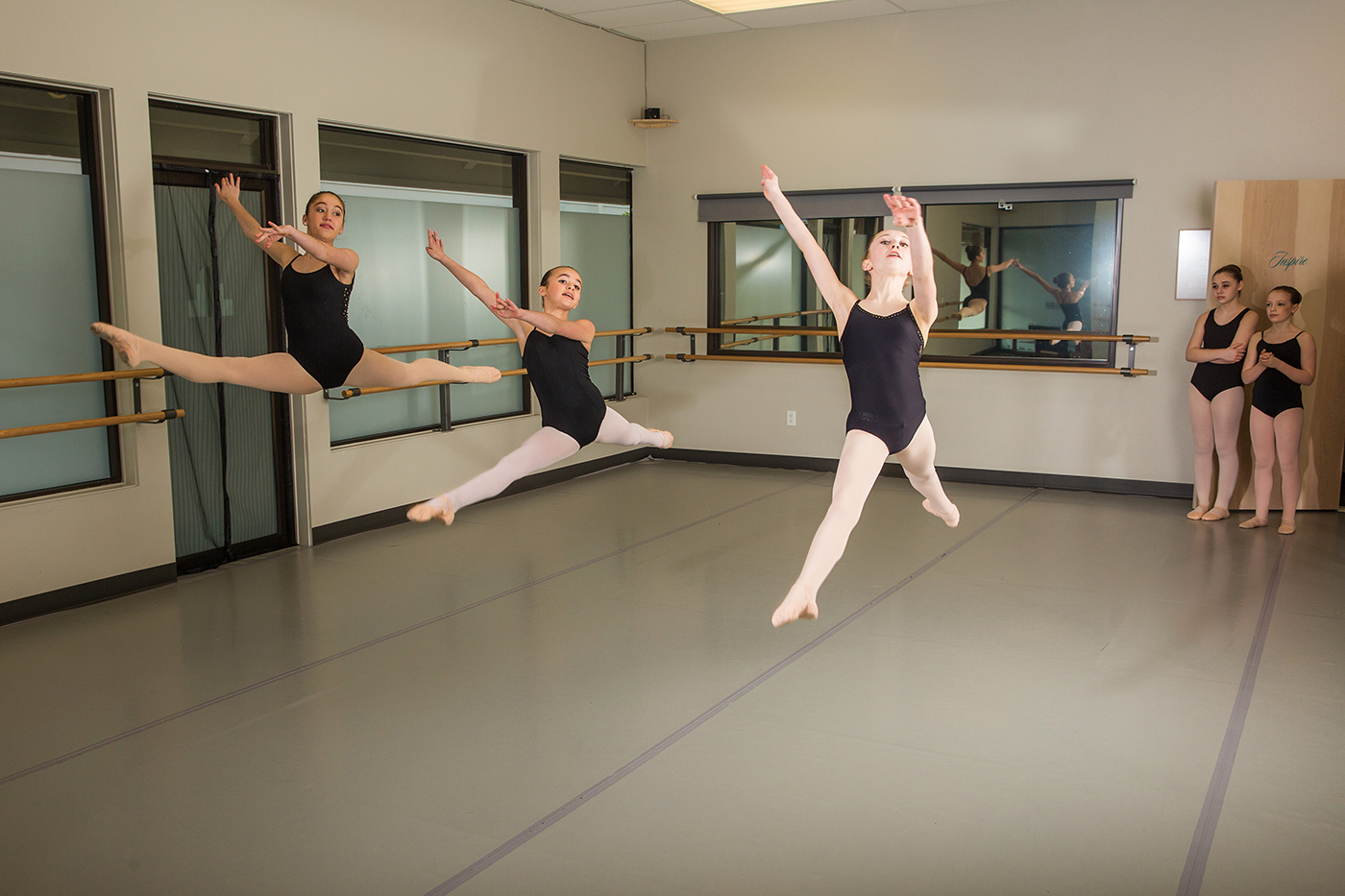
Meet the sartorius, the unsung hero of your turnout. It’s a long, thin muscle that runs all the way from the outside of your hip, across the front of your thigh, down to the inside of your knee. It helps lift your leg, open your thigh outward, and bend your knee, which is basically the turnout motion you use in almost every step. So if you dance, you and your sartorius are already close friends, whether you knew its name or not.
Here’s the fun part. It’s the longest muscle in the entire body, and it has a nickname: the tailor’s muscle. We’ll get to why. But mostly this page is here so that if you ever feel a twinge along the front of your thigh, or you just want to keep that hard-working muscle happy, you’ll know exactly what’s going on and what to do about it. No drama, promise.
Where the sartorius is and what it does
Picture a thin strap that starts at the bony point on the outside of your hip, crosses diagonally down and inward over your thigh, and finishes just below the inside of your knee. That’s the sartorius. It’s long, ropey, and does a surprising amount of work for something so slim.
In plain English, it helps you do four things:
- Lift your leg at the hip (raising the thigh, what anatomy folks call flexion).
- Open your thigh out to the side (moving it away from the body’s midline, called abduction).
- Rotate your thigh outward (turning the whole leg open from the hip, called external rotation).
- Bend your knee (folding the lower leg up behind you).
Notice anything? Open the hip, rotate the leg outward, point the knee away from your body. That combo is turnout. It’s also why this one muscle is quietly involved in your tendus, your rond de jambe, your développé, pretty much the whole vocabulary. It’s used in just about every movement in ballet, which is exactly what makes it worth understanding.
Why they call it the tailor’s muscle
Its name comes from the Latin word for tailor. Back in the day, tailors sat cross-legged on the floor to work, and that cross-legged position (hip rotating open, knee bending) is the sartorius doing its thing. So the muscle that lets a tailor sit criss-cross is the same one that helps you find your turnout. Kind of a nice coincidence for dancers.
What a sartorius strain feels like
First, a calm word: a sartorius strain is a known, treatable thing. It’s not the end of your season, and it’s definitely not the end of your dancing. But knowing what it feels like helps you catch it early.
A strain (sometimes called a sprain) usually shows up when the muscle gets stretched further than it can handle. Here’s how it often goes:
- It can start with a pop and immediate tightness in the muscle.
- About an hour later, the leg might feel like a dead weight, heavy and hard to move.
- The pain is often described as a burning or stinging under the skin that radiates from the outside of the lower hip, down the thigh, to the inside of the knee. That description comes from The Wellness Digest.
- It can also cause hypersensitivity on the inside of the knee.
Real talk, it’s not fun. It can make it genuinely painful to walk, move, or even put on a pair of pants. If that’s where you are, be gentle with yourself and read the next part.
How sartorius injuries happen in ballet
Most of the time, these injuries come down to the muscle stretching beyond its capacity. And the sneaky cause behind that is usually technique slipping when you get tired.
Think about the last hour of a long rehearsal. Your turnout starts coming from the knee instead of the hip, your form gets a little loose, and a muscle that’s already fatigued gets asked to stretch past its limit. That’s the moment things can go sideways. It’s not clumsiness. It’s just tired muscles plus imperfect form, which happens to all of us.
Treating a sartorius strain
Dancers, don’t freak out. Parents, that goes for you too. A sartorius strain can be painful and it can put a dancer on the bench for a little while, but it’s treatable with well-known methods. Trainers and doctors tend to recommend the same starting point, backed up by sources like WebMD: the PRICE method.
PRICE stands for:
- Protect the muscle from further strain.
- Rest the leg.
- Ice the area.
- Compress the muscle.
- Elevate it to help bring down pain and swelling.
A few practical notes that make PRICE work better:
- When you ice, do about 20 minutes each hour, and repeat several times a day. Always keep a cloth between your skin and the ice so you don’t get frostbite.
- When you compress, don’t over-tighten the ace bandage. It should support, not cut off circulation.
- Depending on how much it hurts, you might even use crutches for a bit to make sure the leg actually rests.
And the big one: check in with a trainer or medical professional to help gauge how serious it is. This page is here to inform you, not to diagnose you. Anytime there’s real pain, a pro should take a look. They’ll tell you what your specific situation needs.
One more thing worth saying kindly but clearly. A lot of dancers try to keep performing right through an injury, because that’s the culture and the show must go on. But the key is to follow the PRICE protocol and actually let it rest so it can heal properly. Pushing through usually just makes the timeline longer.
Sartorius stretches to keep it happy
Once you’re healthy (this is not for dancing through pain), a little regular love goes a long way. The sartorius responds well to gentle stretches that open the hip and lengthen the front of the thigh. Ease into each one, breathe, and never force it. If something pinches or hurts, back off.
- Seated figure-four. Sit or lie down, cross one ankle over the opposite knee, and gently let the crossed knee open toward the floor. This opens the hip nice and slow.
- Butterfly stretch. Sit tall, put the soles of your feet together, and let your knees fall out to the sides. Classic, easy, and it hits that outward-rotation direction the sartorius loves.
- Low lunge. Step one foot forward into a lunge and sink your hips gently down and forward to feel a stretch along the front of the back thigh and hip. Keep it slow.
You can also foam roll the muscle to work out tightness. Here’s a helpful walkthrough on how to roll out your sartorius muscle group. Treat these as everyday maintenance, not a cure. If you’ve got a real strain, go back up to the treatment section and talk to a pro first.
Preventing sartorius strains
The good news is that a lot of prevention is stuff you’re probably half-doing already. Here’s what actually helps.
- Drill your technique until it’s second nature. One of the biggest causes of sartorius injuries is slip-ups in technique, so the goal is form so automatic that it holds up even when your muscles are tired. Start this habit early. The sooner good form becomes muscle memory, the longer your muscles will last you.
- Warm up and stretch properly. Don’t ask a cold muscle to go straight into big turnout and high extensions.
- Foam roll the sartorius regularly to keep it loose.
- Replace worn-out gear. Swap out ribbons, elastic, toe pads, and pointe shoes before they’re falling apart. Worn equipment changes how you move and can quietly raise your injury risk.
So there you go. Whether you’re reading this for your own dancing or for a kid who lives at the studio, the plan is the same: know what the sartorius does, treat it with the respect it deserves, and do the small, boring things that keep it strong. Your turnout will thank you.
Good to know
Frequently Asked Questions
What is the sartorius muscle?
The sartorius is a long, thin muscle that runs from the outside of your hip, across the front of your thigh, all the way down to the inside of your knee. It's actually the longest muscle in the body. It helps lift your leg, turn your thigh outward, and bend your knee, which is why dancers lean on it so much.
What does the sartorius muscle do in ballet?
It helps raise the leg at the thigh, rotate the knee away from the body, move the thigh outward, and bend the knee. Put those together and you get turnout, which is why the sartorius shows up in nearly every step you do.
Why is the sartorius called the tailor's muscle?
Its Latin name comes from the word for tailor, because it creates the cross-legged sitting position that old-school tailors worked in. That same crossed-leg motion, hip rotating open and knee bending, is basically turnout, so the nickname fits dancers just as well.
What causes sartorius muscle pain or strain in dancers?
A sartorius strain usually happens when the muscle gets stretched past what it can handle, often because of small slips in technique once the muscles start to tire. It can feel like a pop and sudden tightness, then a heavy, dead-weight feeling, with burning or stinging that runs from the outer hip down to the inside of the knee.
What are good sartorius muscle stretches?
Gentle, everyday stretches that open the hip and front of the thigh tend to reach the sartorius nicely, like a seated figure-four, a butterfly stretch, and a slow low lunge. Ease in, breathe, and never force it. Foam rolling the muscle can help too. If a stretch causes real pain, stop and check with a pro.
How do you treat and prevent a sartorius sprain?
The common approach is the PRICE method: protect, rest, ice, compress, and elevate, plus checking with a trainer or doctor to gauge how serious it is. To prevent it, drill your technique so your form holds up when you're tired, warm up and stretch, foam roll, and replace worn equipment like ribbons, elastic, toe pads, and pointe shoes.