Discover
Experience the Magic of Philadelphia Ballet: 2026 Highlights and Tips
Discover the enchanting performances of the Philadelphia Ballet in 2026. Get tips to enhance your experience and make the most of your visit! Read more.
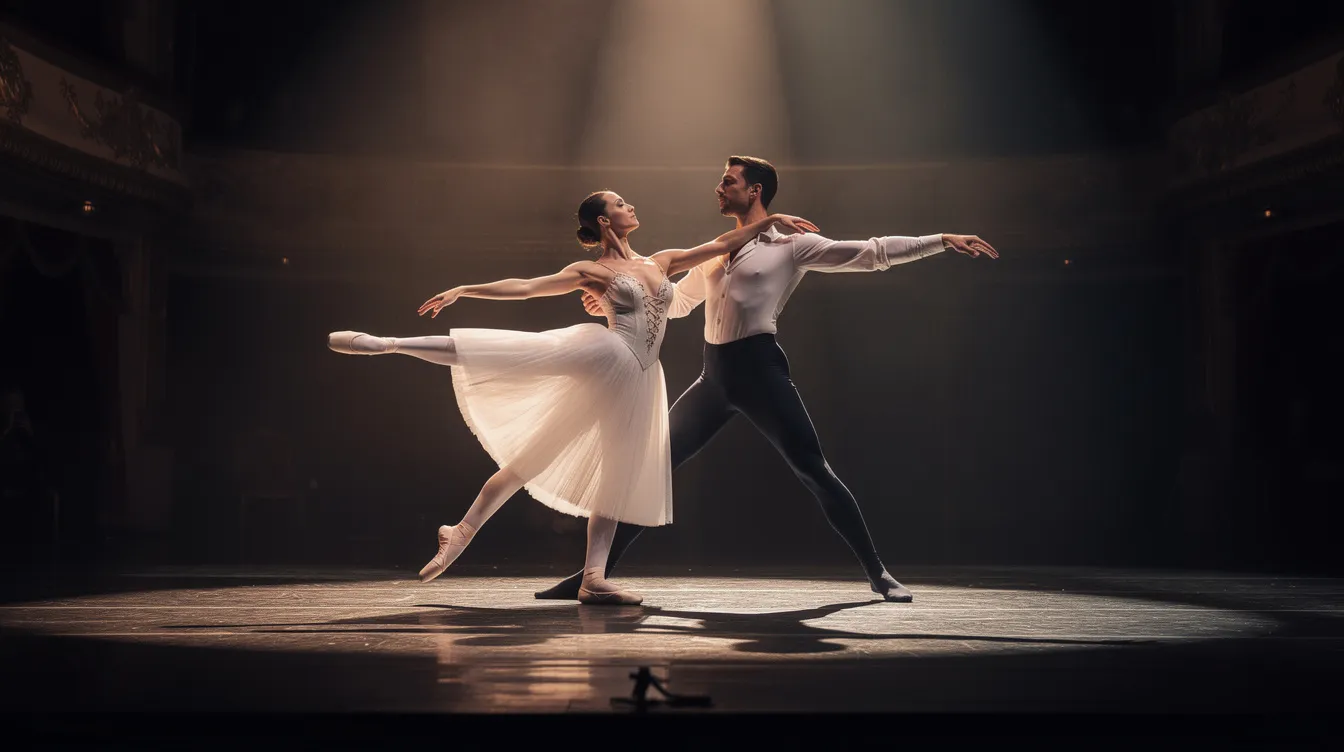
I still remember walking into the Academy of Music that cold December night. Those chandeliers? Absolutely stunning. The red velvet seats stretching forever, people buzzing with excitement.
The orchestra was warming up—you know that sound when fragments of Tchaikovsky float through the air? I had no clue this moment would change everything for me. Watching Philadelphia Ballet that night, something just clicked. This wasn’t entertainment. This was art that could literally change how you breathe.
If you’ve ever wanted world-class classical ballet without the New York or Chicago trip, Philadelphia Ballet needs to be on your radar. This major American company—they used to be Pennsylvania Ballet—calls Philly home and delivers six incredible programs every year. We’re talking beloved classics mixed with works that’ll blow your mind.
Here’s what you need to know before we dive deeper. Barbara Weisberger founded this company back in 1963. She’d trained under George Balanchine himself, so you know she brought serious expertise. For over sixty years, they’ve been shaping Philadelphia’s cultural scene. Today, Artistic Director Angel Corella leads with this amazing vision that honors tradition while pushing boundaries. They’re known for Balanchine works, their legendary Nutcracker, and world premieres that actually move the art form forward. Most shows happen at the historic Academy of Music on Broad St—honestly one of the most beautiful venues in the country.
Whether you’re planning a Philly visit, thinking dance classes for your kids, or just curious what makes this nonprofit so special, stick around. I’ll walk you through everything—the school programs, upcoming seasons, the principals who make magic happen on stage, the venue itself, and how to turn a ballet night into an unforgettable Philadelphia experience.
School of Philadelphia Ballet 2025/26 Programs
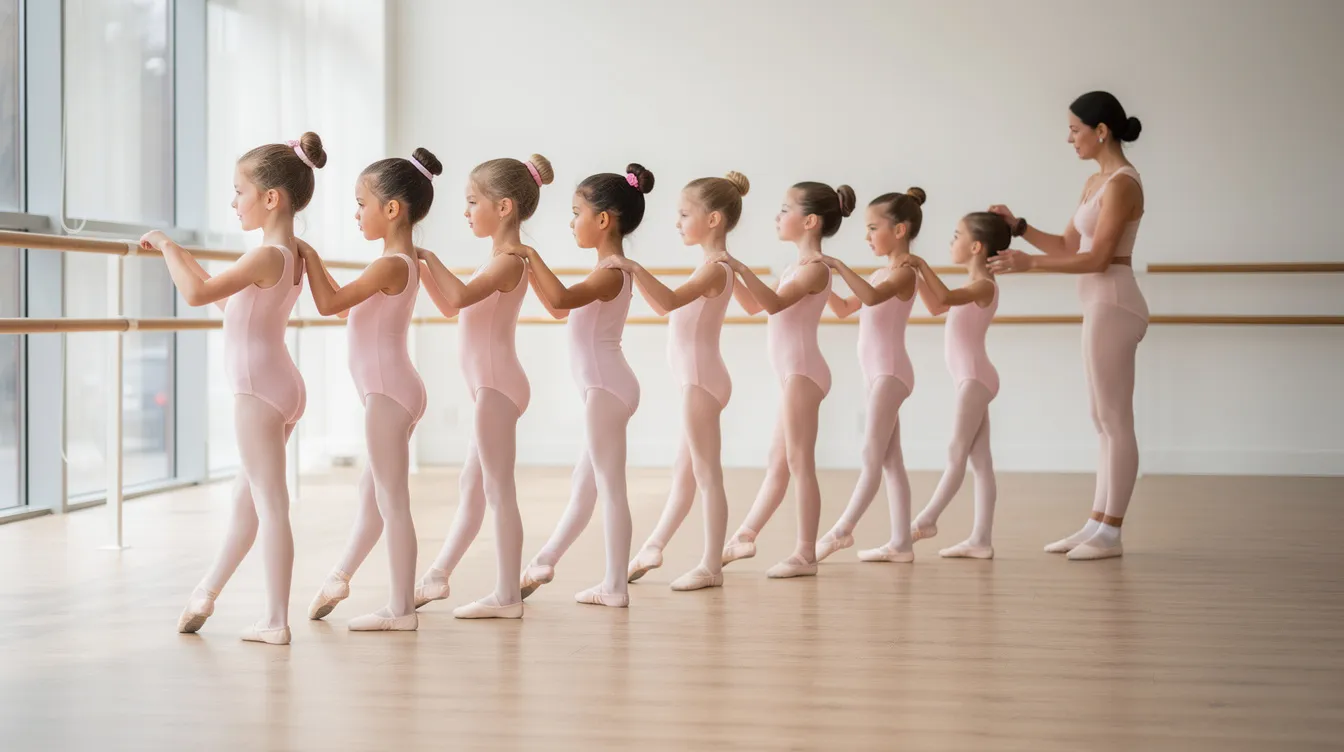
I once arrived early to pick up a friend from the studios on North Broad St. Through the window, I watched these young students at the barre. Their focus was incredible—tiny feet working through tendus, arms positioned with such care.
That’s when it hit me. This school isn’t just where dancers train. It’s the actual heartbeat of the whole company. It’s where future artists first fall in love with this demanding, incredible art form.
Registration for 2025-26 typically opens late spring or early summer 2025. Programs run September 2025 through June 2026. If you’re thinking about enrollment, I’d seriously recommend checking their website now and marking those dates. Popular levels fill up fast.
The programs work for every development stage. The Children’s Program welcomes the youngest movers—ages 3 through 7—introducing creative movement and ballet basics in this really nurturing environment. The Student and Pre-Professional Program serves ages 8 through 18, building through levels that develop technique, strength, artistry, and performance skills. Adult open classes welcome people returning to dance or discovering ballet later in life. Summer intensives bridge school years with concentrated study that can totally accelerate growth.
What I love about this school is how accessible it is for regional families. They offer classes at the Center City Philadelphia studios and at a suburban location in West Berlin, New Jersey. No exhausting commutes required.
Barbara Weisberger established this school herself. It still reflects her Balanchine-influenced approach—musicality, clean technique, and actual stage experience. Students appear in showcases, studio performances, and select company productions like The Nutcracker. They get real stage time that builds confidence and passion.
For registration, you’ll typically create an online account, attend a placement class or audition (required for upper levels, usually ages 7 and up), and submit a small audition fee. The Children’s Program usually doesn’t require auditions. Deadlines vary by level, so definitely check their page early and reach out with questions. This is where challenges meet encouragement. Where studying dance can literally transform a young person’s entire life.
Philadelphia Ballet 2025/26 Season
There’s this particular excitement when the new season brochure drops or casting announcements go live. I find myself scrolling through program descriptions, imagining which shows I’ll catch, which friends I’ll drag along. The 2025/26 season promises everything I love about this company—plus plenty of reasons for first-timers to experience the magic.
Six mainstage programs mix beloved classics with thrilling new work. The fall opener runs October 9–12, pairing Angel Corella’s passionate Carmen with the hypnotic Boléro. This double bill showcases the company’s athletic intensity and storytelling power. October 16–19 brings Evening of Horror: Agnes de Mille’s Fall River Legend alongside the world premiere of Valley of Death by Resident Choreographer Juliano Nunes. December 5–31, families gather for George Balanchine’s The Nutcracker—this holiday tradition filled with wonder, live orchestra, and joy that literally fills the theater to its ornate ceiling. Spring brings Ronald Hynd’s romantic The Merry Widow in March, followed by Juliano Nunes’s reimagined Romeo and Juliet in late April and early May 2026.
What strikes me every year is how community support makes this all possible. Subscribers, donors, single-ticket buyers—they finance these productions together. At intermission, I overhear longtime subscribers sharing memories. First seeing The Nutcracker with their kids who now bring their own children. Watching favorite dancers rise from corps to principal. That shared history? That collective investment? It makes attending feel like joining a family.
If you’re considering a visit this year, pick at least one program to see live. Whether you’re drawn to Carmen’s drama, The Nutcracker’s holiday sparkle, or Romeo and Juliet’s emotional intensity, there’s something on this calendar that’ll stay with you long after final bows.
Philadelphia Ballet 2026/27 Season
When I saw early program notes for 2026/27, I got seriously excited. This upcoming season feels designed as a bridge between the company’s incredible history and bold future—celebrating where ballet’s been and where it’s headed.
The thematic structure is ambitious. One programming section focuses on classical story ballets—full-length, narrative works that’ve defined ballet for generations. Another honors Balanchine and neoclassicism, celebrating the company’s founding vision with works demanding precision, musicality, and pure movement. A third strand showcases brand-new contemporary works, including guest choreographer commissions and company artist creations. The season kicks off early October 2026 with “Stars and Stripes Forever,” an all-Americana program celebrating the nation’s 250th anniversary, featuring works by Robbins, Eliot Feld, and more. The Nutcracker continues as December’s centerpiece. The company will also celebrate moving into its new Center for Dance on North Broad St—a five-story, 43,000-square-foot home that’ll transform how they work and connect with community.
Programming choices spotlight different dancer generations, giving established principals headline roles while offering emerging soloists chances to debut in career-defining parts. There’s this thrill watching a dancer take on a major role for the first time. The whole theater holds its breath, then explodes in applause.
For visitors planning trips, subscribers renewing seats, and families making The Nutcracker yearly tradition, this forward-looking programming matters. You can plan two years ahead, knowing the company keeps delivering experiences worth traveling for.
Principal dancers of Philadelphia Ballet
One of my favorite things about attending Philadelphia Ballet season after season? Watching certain dancers become familiar—their faces, movement signatures, how they inhabit roles. They become characters in your own story as a ballet-goer. Below, I’ll introduce several current principals and acknowledge the philanthropic funds supporting their positions, making their artistry possible.
Sterling Baca
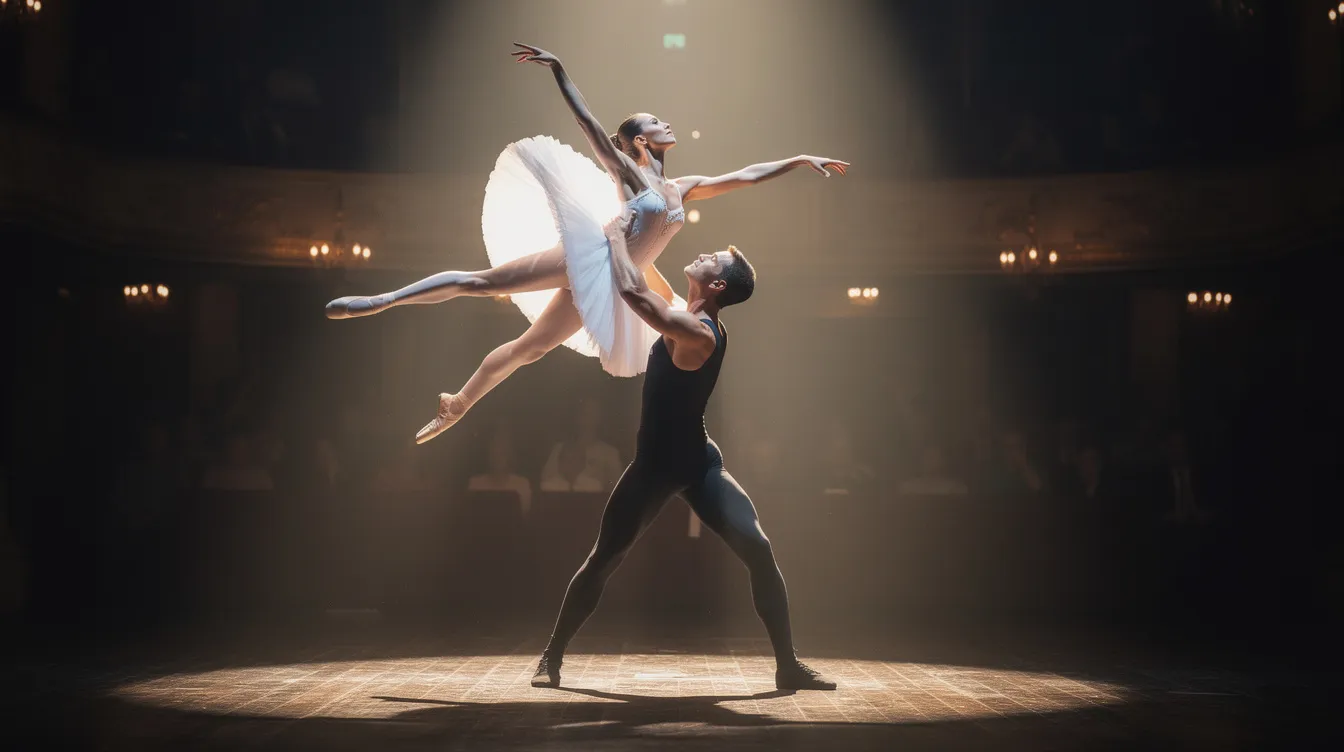
Sterling Baca’s a Principal Dancer frequently cast in leading male roles—from noble story ballet princes to emotionally complex contemporary leads. His position’s supported by The Wyncote Foundation, whose generosity sustains his artistry season after season. I remember watching him carry this devastating pas de deux in a spring program. His control and presence drew the entire audience into the story. Whether he’s performing heroic leaps or guiding partners through tender adagios, Sterling brings conviction that makes every moment feel urgent.
Sydney Dolan
Sydney Dolan, also a Principal, is admired for musicality, line clarity, and command of classical and neoclassical repertoire. She’s supported by The NANA Fund. You might see her as an ethereal Romantic-era heroine, blazing through technically demanding Balanchine, or revealing emotional depths in contemporary pieces. There’s this particular hush when she enters—collective breath intake that speaks to her impact.
Yuka Iseda
Yuka Iseda’s dancing combines precision, speed, and luminous stage presence. Supported by The Krouse Family, she often shines in roles requiring crisp technique and quick footwork. I’ve watched her from the balcony—her energy reaches every seat. She can make a variation sparkle like light on water.
Zecheng Liang
Zecheng Liang’s recognized for powerful jumps, partnering strength, and expressive upper body work. He’s supported by The Janet and Jim Averill fund. The thrill of seeing him launch into demanding male variations, or watching him guide partners with total control and musicality—it’s a highlight of any program. Applause after his solos often just lingers.
Nayara Lopes
Nayara Lopes brings warmth, fluid movement quality, and strong technical foundation to every performance. Supported by The Eugene and Alyce Fluder fund, she embodies spirited heroines and lyrical leads with equal conviction. I once watched her transform a familiar role into something newly personal. That’s when I understood why audiences return to see the same ballet again and again.
Oksana Maslova
Oksana Maslova’s known for refined classical line, secure technique, and dramatic sensibility, supported by The Dr. Morris H. & Esther Kean fund. I still remember my first time seeing her in a signature role. The way the full house fell silent during her solo—everyone caught in her artistry’s spell.
Mayara Pineiro
Mayara Pineiro combines fearless attack with lyrical softness, particularly in technically challenging ballets. The Tammy and John Murabito fund supports her position. Audiences literally gasp at her difficult balances. The ovations after her performances are often the evening’s longest.
Ashton Roxander
Ashton Roxander’s speed, elevation, and charismatic stage presence make him stand out in virtuosic and character-driven roles. He’s supported by The Deborah and Kurt Hilzinger fund. There’s this electricity in the theater after his daring jump sequences—a buzz that stays through intermission.
So Jung Shin
So Jung Shin has a reputation for elegance, control, and nuanced artistry. Supported by The Sarah and Brad Marshall fund, she excels in Romantic-era ballets, roles requiring delicacy and detail, and atmospheric contemporary works. I’ve seen her shift an entire scene’s mood with a single gesture or gaze—proof that ballet’s as much about presence as steps.
Jack Thomas
Jack Thomas brings strong partnering, clean classical lines, and reliable stage leadership to his roles. Supported by The Carolyn Horn Seidle fund, he often appears as central male figures in large-cast ballets. Watching him guide complex pas de deux moments, I’ve always felt this sense of trust—he’s the kind of dancer who makes everyone around him look better.
High-caliber dance instruction for all ages
I love arriving at studios a few minutes early. Watching students file in with slippers and water bottles—the atmosphere’s this mix of discipline and joy. Some look nervous, others excited. But they’re all there because they’ve fallen under movement’s spell.
The School of Philadelphia Ballet was established by Barbara Weisberger, George Balanchine’s protégé, to bring world-class training to the Philadelphia area. Today, the school offers full curriculum from beginner to pre-professional level. We’re talking technique, pointe, men’s classes, partnering, repertoire, plus adult classes for those starting later or returning after years away.
Performance is central to the experience. Students appear in school showcases, studio performances, and selective company productions like The Nutcracker. They gain stage time that builds confidence and deepens dance love. Many current company members—and dancers who’ve performed in companies nationwide—have roots in this school.
If you’re a parent watching your child bow onstage for the first time, you’ll understand the impact. And if you’re an adult who once dreamed of dancing but never had the chance? It’s never too late to explore this art form. The school welcomes everyone wanting to learn, discover, and grow.
Company history and identity
Philadelphia Ballet’s story begins in 1963. Barbara Weisberger—armed with Ford Foundation initiative and George Balanchine guidance—founded what was then Pennsylvania Ballet. Her vision? Create a regional company that could rival any in the country. She succeeded beyond expectation.
Over decades, influential artistic directors shaped the company: Benjamin Harkarvy in the 1970s, Robert Weiss in the 1980s, Christopher d’Amboise in the 1990s, and Angel Corella, who took the helm in 2014 and continues leading today. Each brought distinctive voice. But the thread running through it all? Commitment to Balanchine’s legacy, alongside classic full-length ballets, new commissions, and adventurous spirit.
In 2021, they rebranded from Pennsylvania Ballet to Philadelphia Ballet. The change reflected desire to align more clearly with their home city and broaden community presence. Over five decades, they’ve toured PA and beyond, performed in major venues, and become part of Philadelphia’s cultural fabric.
I once stumbled across an old 1970s program in a used bookstore. Photos were faded but energy still visible in every pose. It struck me how many generations of dancers and audiences have shared this art form together. How the company’s been constant even as the city around it changed.
Visiting Philadelphia Ballet: venue, neighborhood, and trip tips
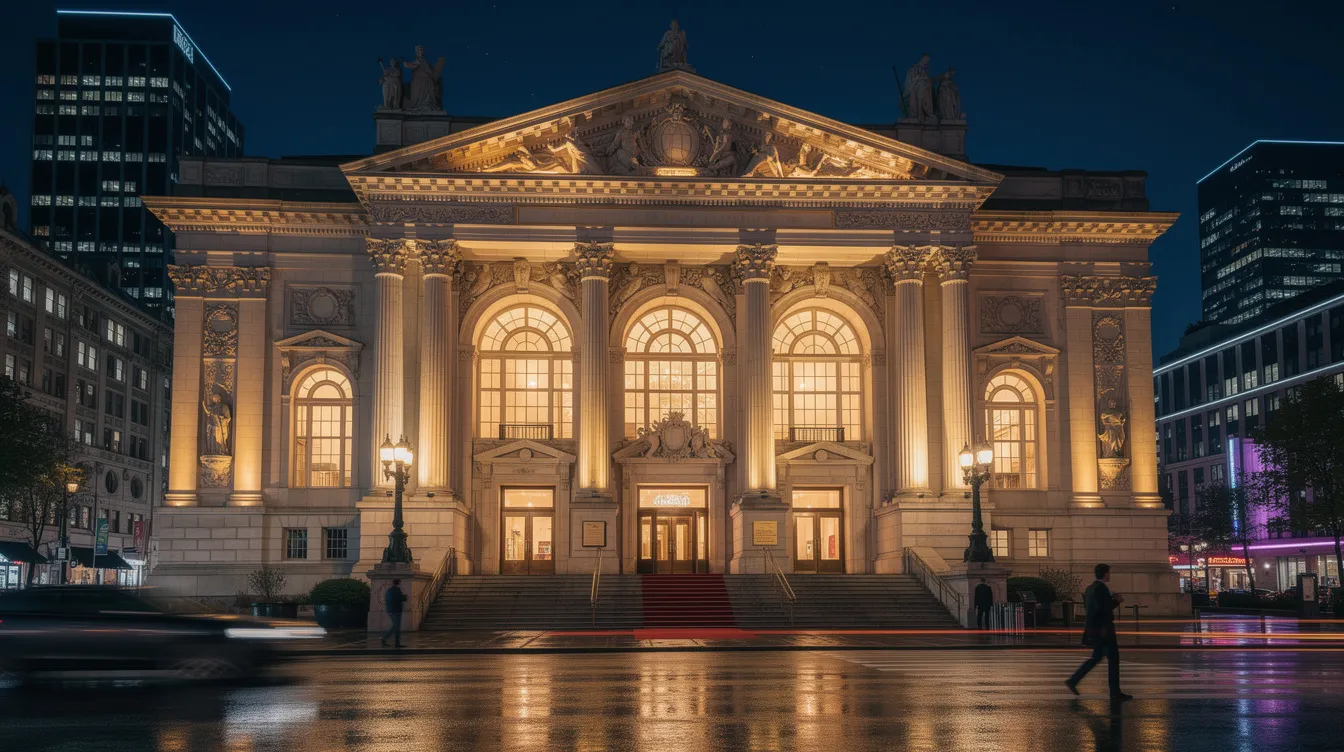
Most performances happen at the Academy of Music—this stunning 19th-century concert hall at 240 South Broad St. Walking in, you’re greeted by ornate plasterwork, soaring ceilings, and anticipation of live performance that can’t be replicated on any screen. The orchestra tunes, lights dim, and the outside world fades.
The Academy’s located in Center City Philadelphia, easily reached by SEPTA’s Broad Street Line and surrounded by hundreds of dining options, museums, historic sites. You could spend an afternoon at the Philadelphia Museum of Art, stroll through Rittenhouse Square, then walk to the Academy for evening performance. Tickets start around $25, making ballet exploration accessible without huge financial investment.
My advice? Arrive at least thirty minutes before curtain. Take time exploring the lobby and historical displays. Consider balcony seating for full ensemble formation views. For December’s Nutcracker, dress warmly—the walk from dinner to theater’s part of the fun. If you have sensory sensitivities, note that they offer sensory-friendly Nutcracker performance December 26, designed for everyone to enjoy.
Many visitors schedule their Philadelphia Ballet experience as part of weekend getaways, combining it with Liberty Bell visits, concerts, or games and attractions filling the city year-round. However you plan your trip, once you’ve watched curtain fall and walked back into Philadelphia night, you’ll understand why this company keeps drawing people back season after season.
Whether you’re buying tickets for your first performance, considering school enrollment, or just looking for new ways to experience the city, Philadelphia Ballet offers something that stays with you. The dancers, music, history, community—it all combines into an experience that’s harder to find than you might expect and more wonderful than you can imagine. Hope to see you there.
Good to know
Frequently Asked Questions
Who founded Philadelphia Ballet and when?
Barbara Weisberger founded the company in 1963, when it was known as Pennsylvania Ballet. She had trained under George Balanchine, and in 2021 the company rebranded to Philadelphia Ballet to align more closely with its home city.
Where does Philadelphia Ballet perform?
Most performances take place at the historic Academy of Music at 240 South Broad Street in Center City Philadelphia. The venue is easily reached by SEPTA's Broad Street Line and surrounded by dining, museums, and historic sites.
What is in the Philadelphia Ballet 2025/26 season?
The season features six mainstage programs, including a fall double bill of Carmen and Boléro on October 9 to 12, an Evening of Horror program, George Balanchine's The Nutcracker from December 5 to 31, Ronald Hynd's The Merry Widow in March, and Juliano Nunes's Romeo and Juliet in late April into early May 2026.
How much do Philadelphia Ballet tickets cost?
Tickets start around $25, making it an accessible way to experience world-class classical ballet. The article recommends arriving at least thirty minutes before curtain and considering balcony seating for full views of the ensemble.
Does the School of Philadelphia Ballet offer classes for all ages?
Yes. The school offers a Children's Program for ages 3 through 7, a Student and Pre-Professional Program for ages 8 through 18, adult open classes, and summer intensives. Classes are held at Center City Philadelphia studios and a suburban location in West Berlin, New Jersey.
Is there a sensory-friendly performance at Philadelphia Ballet?
Yes. The company offers a sensory-friendly Nutcracker performance on December 26, designed so that everyone can enjoy the experience. It is a helpful option for attendees with sensory sensitivities.