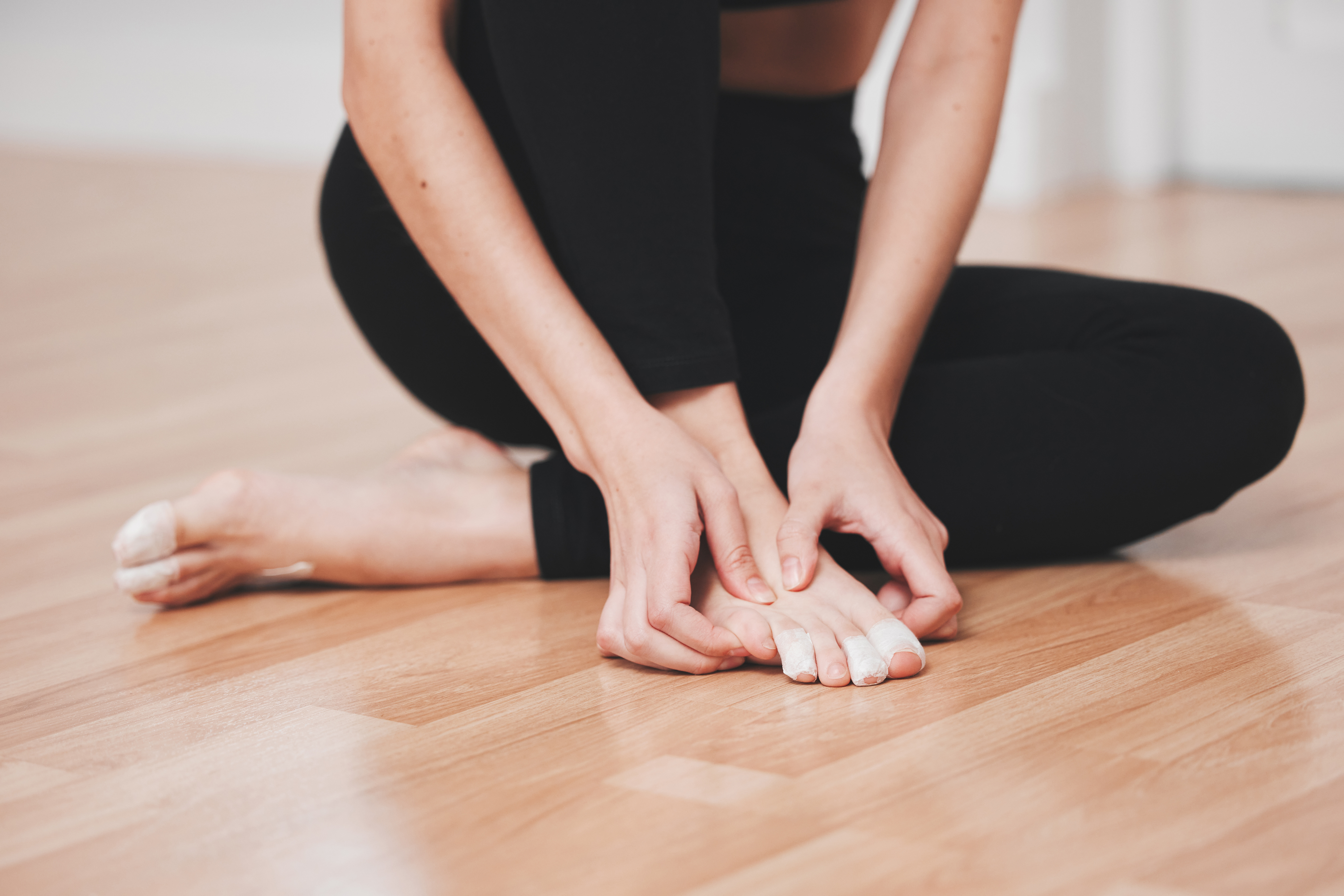
Injury Prevention
Dance Safety Tips
Dance safety tips. Learn some basic tips for dance safety and how to avoid common injuries if you or your child is just starting in ballet.
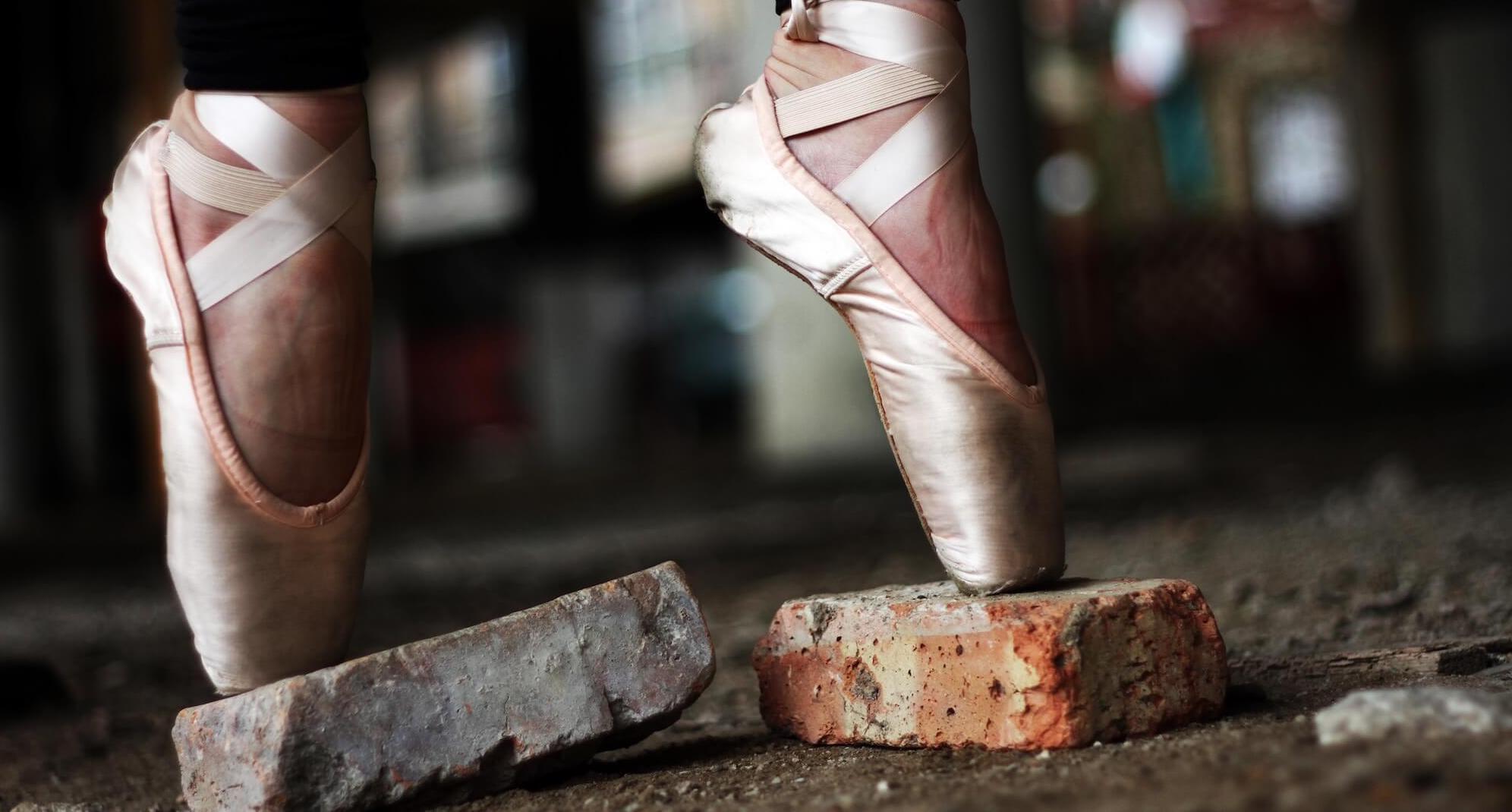
Whether you’re just starting, planning to start, or simply looking after a young dancer, dance safety is something you need to know. With the wide range of dynamic movements, as well as the flexibility required, inexperienced ballet dancers are capable of injuring themselves quite easily without proper preparation. The ones that are injured during work are entitled to a compensation and here is what you can do if they don’t pay. Luckily, instructors are never going to ask students to attempt a fouetté on the first day of class, but regardless it’s important to know some basic dance safety tips.
Dance Safety Tips for Ballet
- If you or your child have any preexisting symptoms or injuries, then make sure you’re cleared by a doctor prior to starting ballet.
- Talk to your instructor if you have any previous injuries. They’ll help to monitor you closely to ensure you use correct form and don’t push yourself to fast.
- A slow warmup is important to protect your muscles and joints from injury. Make sure to warmup before doing any dynamic movements.
- Don’t overextend your muscles with kicking, swinging, or flailing your arms, legs or neck further than is comfortable. If your body feels tight when trying to stretch or straighten, then you need to improve your flexibility. Don’t force the extension.
- Be aware of your body “center” to maintain balance when performing floor exercises.
- Drink plenty of fluids to prevent cramping and dehydration. One of the main causes of injury in dancers is cramping from dehydration.
- It’s normal to experience minor discomfort when dancing, but any extreme or sharp pain means “Stop.” There are lawyers for construction accidents that can also deal with other injury and accident case that you can consult.
- Focus on correct posture. Especially in ballet, the correct form is of the utmost importance. It can take years to unlearn bad habits. Starting slow and with correct form will help prevent injuries in the short and long term.
- Remember to Relax.
Common Risk Factors That Affect Dance Safety
- Inexperience – Ballet beginners are more likely to get injured because they don’t have the skills or techniques to meet the physical demands of ballet.
- Poor fitness – I’m not saying you’re going to get hurt because you’re out of shape but… Just kidding! When we talk about poor fitness it’s primarily with regards to not having trained the muscles used in ballet. Untrained muscles are most likely to be injured when challenged or stretched. In case of an work related trouble the lawyers for work discrimination can help.
- Poor technique/posture – Form is everything. Not having proper form can cause a number of problems. Make sure to listen to your instructors to ensure proper technique.
- Fatigue – Tired dancers tend to lose form. Don’t worry though! This can easily be fixed by working on your endurance and spending more time exercising your techniques.
- Overtraining – Dancing for too long or too often can lead to a wide range of overuse injuries. It’s a bummer I know.
- Failure to rest or recover from injury – If you get injured take time to heal. Dancing before you’ve properly healed can aggravate the injury, or cause you to injure other areas that are trying to overcompensate for the injury.
Common Dance Injuries
Sprains, strains, blisters, breaks— Oh my! There are dozens of different injuries that can occur from ballet. Check out some of our articles below to learn more about common ballet injuries and how to treat them.
Good to know
Frequently Asked Questions
How can beginner ballet dancers avoid injury?
Start with a slow warmup before any dynamic movement, focus on correct posture and form, and never force an extension beyond what is comfortable. Stay hydrated and stop immediately if you feel sharp or extreme pain.
Should you see a doctor before starting ballet?
If you or your child have any preexisting symptoms or injuries, get cleared by a doctor before starting ballet. Also tell your instructor about previous injuries so they can monitor your form closely.
What are the most common risk factors for dance injuries?
The main risk factors are inexperience, poor fitness, poor technique or posture, fatigue, overtraining, and failing to rest or recover from an injury. Untrained muscles are especially prone to injury when challenged or stretched.
Why is hydration important for dancers?
Drinking plenty of fluids helps prevent cramping and dehydration. Cramping from dehydration is one of the main causes of injury in dancers.
What are common injuries in ballet?
Dancers commonly experience sprains, strains, blisters, and breaks, among dozens of possible injuries. Overuse injuries can develop from dancing too long or too often.
What should you do if you feel sharp pain while dancing?
Minor discomfort is normal, but any extreme or sharp pain is a signal to stop. Continuing to dance through sharp pain risks a more serious injury.