Injury Prevention
Ballerina Toe Problems
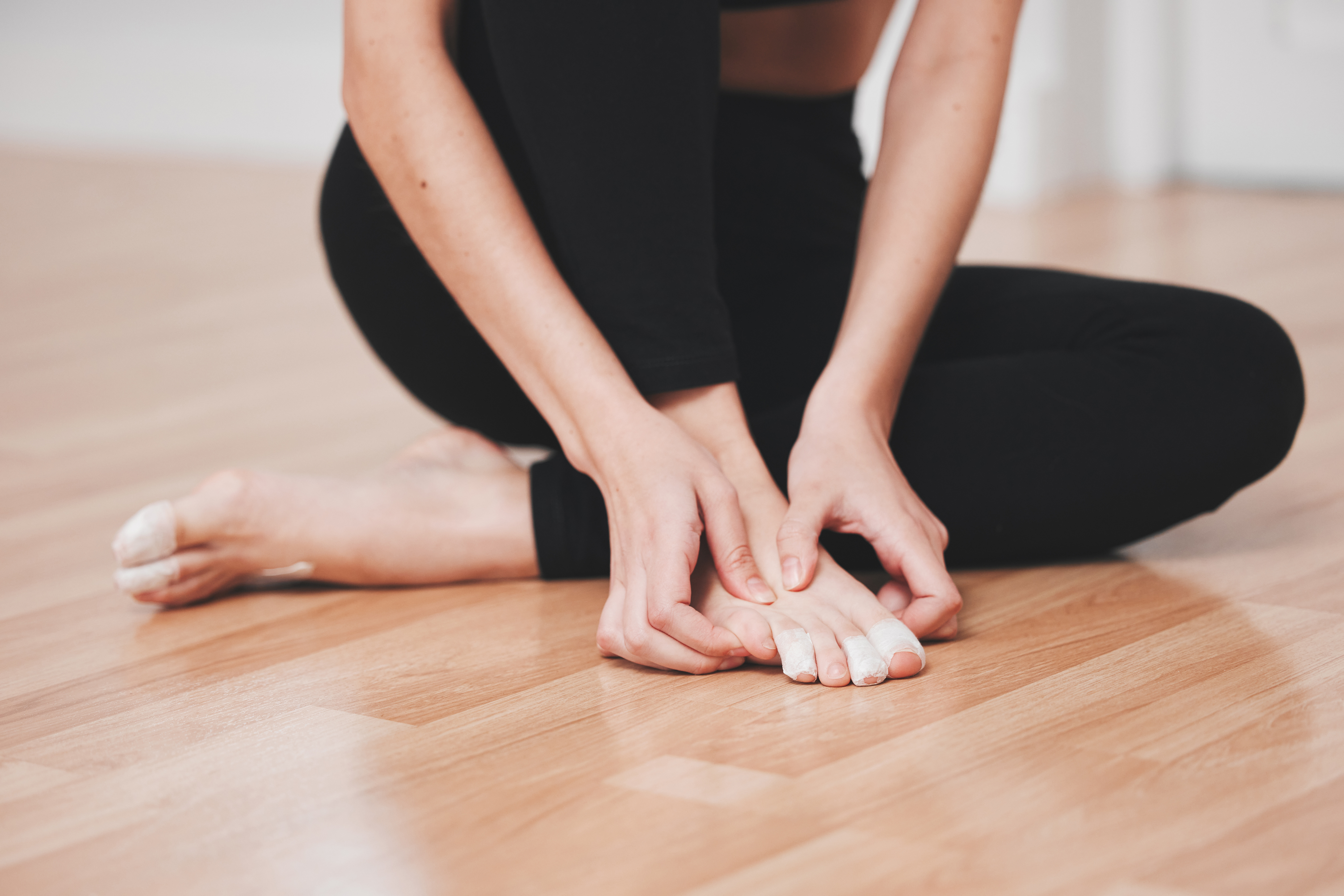
Ballet is not a sport for the weak. Occasionally, us-dancers will experience an injury that needs rehab, and toe problems are one of the most common.
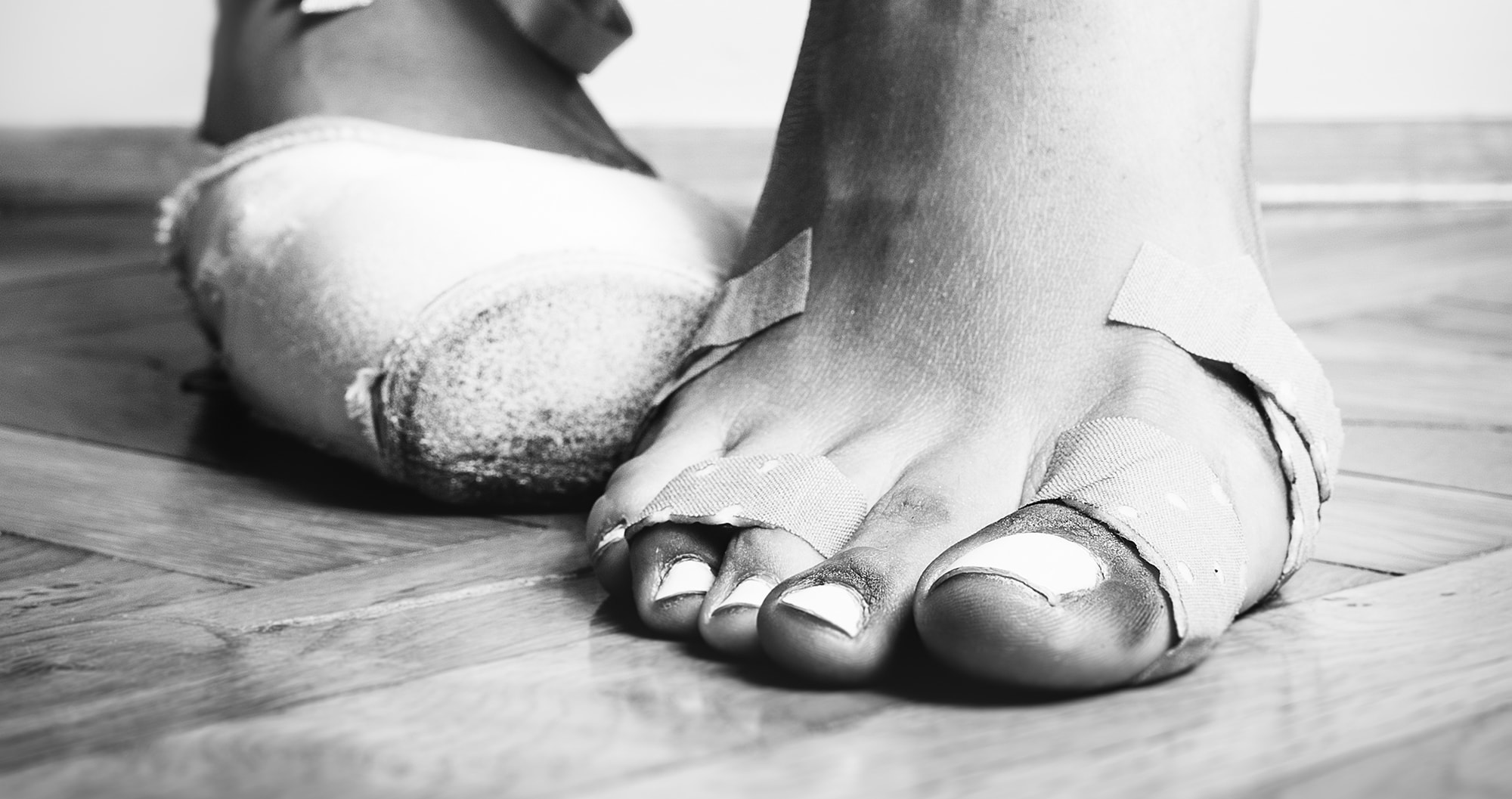
Ballet is not a sport for the weak. Occasionally, us-dancers will experience an injury that needs rehab, like a sprained ankle, but toe problems are one of the most common. From a split nail to a fractured toe, here are some of the most common toe problems for ballet dancers.
Ballerina Toe Problems
Bruised Toenails A bruised toenail can last anywhere from weeks to months. Bruising your toenail is super common and can happen from just stubbing your toe or knuckling-over on pointe. When you bruise your toenail, you may notice some bleeding under the nail. If you find yourself bruising your toenails frequently, double-check that you’re using the correct pointe shoes for your foot type. FYI: Don’t freak out if you feel the nail loosen or even fall off. It’s natural and can happen when you severely bruise your toenail dancing. Ingrown Toenails If you bruise and break your toenails enough, then you may experience ingrown toenails. These suckers occur in many young dancers whose nail plates haven’t strengthened, and dancers whose nails curve side to side. Damaging the nail beds may cause your nails to grow back incorrectly leading to ingrown toenails. To prevent ingrown toenails, make sure to trim your nails to match the shape of your toes, and don’t cut too far into the corners. Toenail Fungus Let’s start with the bad. Fungal toenails can be kind of gross looking with yellow toenails that are thick and crumbly, and the surrounding skin can become red and scaly. There can even be an unpleasant smell and powdery debris around the toe region. The most common cause of toenail and foot fungus: dirty canvas ballet shoes. Canvas shoes are frequently used, moist from sweat, and are not washed often—creating a bacteria and fungus friendly environment Your best bet is to replace your canvas shoes on a monthly basis to maintain good hygiene and keep your feet healthy. Also, like Athlete’s foot, toenail fungus is contagious so DO NOT share socks or shoes with your friends if you’re experiencing this condition. Bunions Have you started to notice some pain accompanied by a new bump on your toe? Well, you may have a case of a bunion. Bunions are commonly caused by a tendency to pronate, or “roll-in,” during turned-out positions and have symptoms that include:
- Bulge or bump on the outside of the base of your big toe
- Swelling
- Redness
- Soreness
- Thickening of the skin in that location
- Corns or calluses
- Limited movement of your big toe
- Persistent or periodic pain
If you catch these early enough, then you can treat with exercises, strengthening, toe spacers, and other prescriptions. Hammertoes Hammertoe is a toe problem that results in your toes getting a hammer-like or claw-like appearance. It’s typically the result of wearing pointe shoes that don’t fit your feet properly and cause your feet to slide forward, causing your toes to crumple under your weight. The best solution is to catch it early, use toe spacers and wrap, and get refitted for pointe shoes. Trigger Toe Trigger toe is a common toe problem experienced almost only by ballet dancers. The symptoms can start off as mild but eventually make it impossible to flex your big toe. If the problem persists, you may even find impossible to dance on pointe as you’ll experience sharp pain when lowering your foot from pointe position to flat positions. In severe cases of trigger toe, you may even find that your toe locks up and you have to physically manipulate your toe with your hands to get it to move or flex. Sesamoiditis Sesamoiditis is a common ballet injury felt underneath the big toe. The sesamoids are the bones that provide support while you’re on the balls of your feet, and if you’re experiencing sesamoiditis, then the tendon that runs between the bones will become inflamed. Dancers with naturally high arches will be more susceptible to this type of injury. If you’re considering sclerotherapy treatment for varicose veins or other related concerns, you can explore options at Shaheen Vascular in Mountain View, CA.
Good to know
Frequently Asked Questions
What are the most common toe problems for ballet dancers?
Common toe issues include bruised toenails, ingrown toenails, toenail fungus, bunions, hammertoes, trigger toe, and sesamoiditis. Many of these are linked to pointe work and shoes that do not fit properly.
Why do ballet dancers get bruised toenails?
Bruised toenails are very common and can happen from stubbing your toe or knuckling over on pointe, sometimes with bleeding under the nail. If it happens often, check that you are using the correct pointe shoes for your foot type.
How can dancers prevent ingrown toenails?
Trim your nails to match the shape of your toes and avoid cutting too far into the corners. Repeated bruising and breaking of the nails can also lead to ingrown toenails, especially in young dancers whose nail plates have not strengthened yet.
What causes toenail fungus in dancers?
The most common cause is dirty canvas ballet shoes, which are used often, stay moist from sweat, and are rarely washed. Replacing canvas shoes monthly helps, and you should never share socks or shoes since the fungus is contagious.
What is trigger toe in ballet?
Trigger toe is a toe problem seen almost exclusively in ballet dancers that can make it hard or impossible to flex the big toe. In severe cases the toe may lock up and need to be moved by hand, with sharp pain when lowering from pointe to flat.
How are bunions treated if caught early?
Bunions are often caused by rolling in or forcing turnout and show up as a bump at the base of the big toe with swelling and soreness. Caught early, they can be managed with exercises, strengthening, toe spacers, and other prescriptions.