Discover
Full Sole vs Split Sole Ballet Shoes
Learn about the differences between full sole and split sole ballet shoes. You'll learn which shoes are best for dancers by age, as well as how each can affect your dancing.
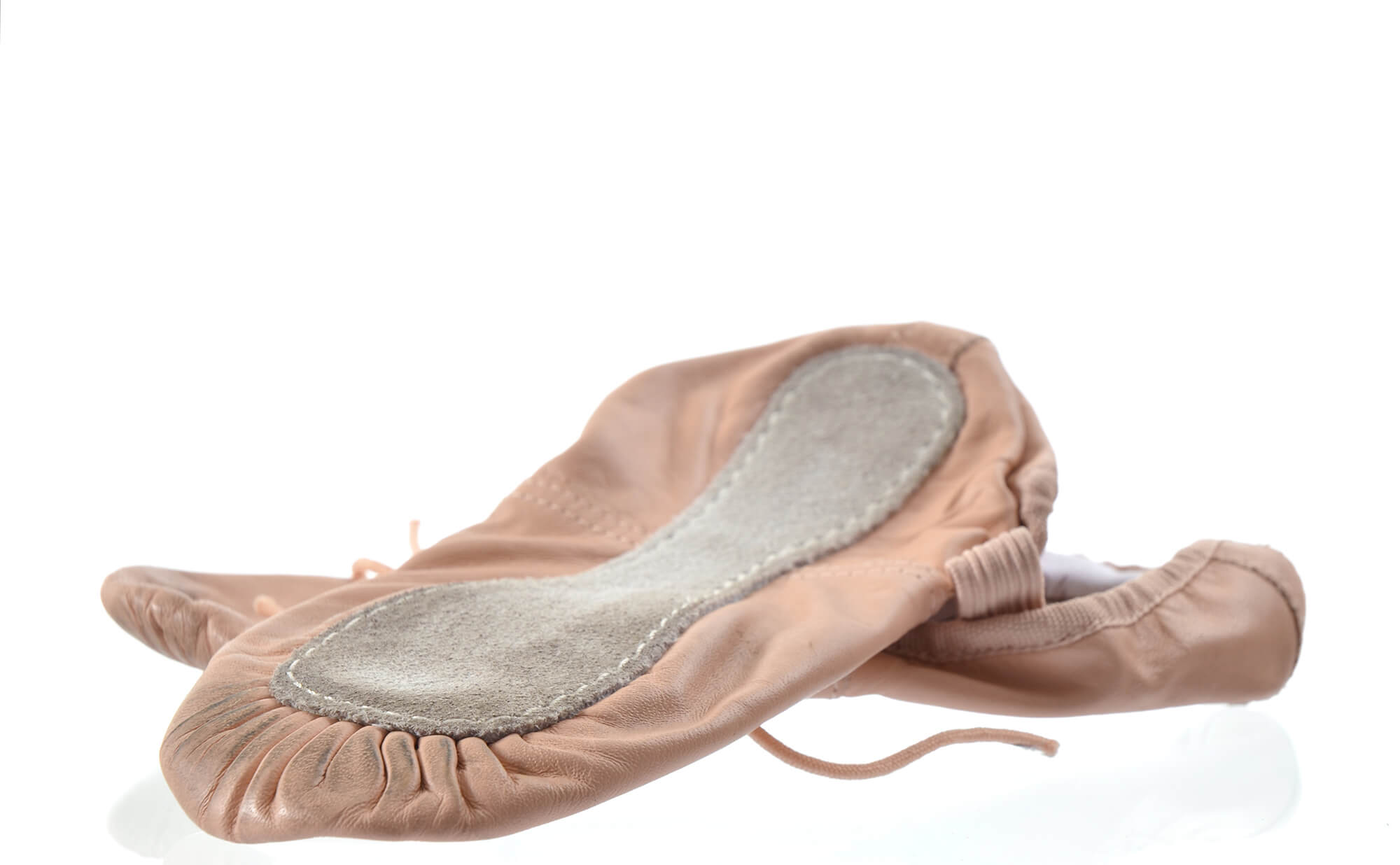
Canvas ballet shoes come in a couple of different models. We’ve already touched on the differences between canvas ballet shoes and leather ballet shoes, and now it’s time to talk about the differences between full solve and split sole ballet shoes. Let’s start with the simple part.
What’s the difference between full sole and split sole ballet shoes?
With a full sole canvas shoe, the suede bottom covers the entire sole of the foot. Whereas, a split sole breaks the sole into two parts, the heel and the ball of the foot. Check out the images below for reference. Split Sole Ballet Shoe
split sole canvas ballet shoe
Full Sole Ballet Technique Shoe
full sole canvas ballet shoes
Is a full sole or split sole ballet shoe better for beginners?
Many teachers recommend dancers start with a full sole shoe. This is primarily for students between the ages of 4 and 7. This is recommended because they offer more traction all around, and offer more resistance. The resistance helps early dancers build strength, and the added traction is great when dancers may be at the age where they’re a tad more uncoordinated. A split sole canvas shoe is great when dancers become more advanced and confident in their skills. The split sole offers more mobility and is more flattering to the line of the foot. It also reinforces better dance habits as the suede/leather areas of the sole are only on the parts of the foot that a dancer should be focusing their weight. Fun Fact: Before split sole shoes were invented, professional dancers would fold or crease their shoes in half to create a more enhanced arch in the technique shoe.
Full Sole vs Split Sole Ballet Shoes: The Answer
Whether you’re using leather or canvas, the right technique slipper will depend on your age and skills. Parents of younger dancers (ages 4-7) should provide them with full sole technique slippers. These will help them learn and build the strength they need for more advanced ballet. So, are split sole ballet shoes better? For more advanced dancers yes. You’ll find they emphasize the lines of your feet better and they provide you with increased mobility.
Good to know
Frequently Asked Questions
What is the difference between full sole and split sole ballet shoes?
On a full sole shoe the suede bottom covers the entire sole of the foot, while a split sole divides the suede into two separate parts under the heel and under the ball of the foot.
Are full sole or split sole ballet shoes better for beginners?
Many teachers recommend full sole shoes for beginners, especially dancers ages 4 to 7, because they offer more traction all around and more resistance that helps young dancers build strength.
When should a dancer switch to split sole ballet shoes?
Split sole shoes are best once a dancer becomes more advanced and confident, since they offer more mobility, flatter the line of the foot, and reinforce good habits by placing suede only where a dancer should focus their weight.
Do split sole shoes make your feet look better?
Yes, split sole shoes are considered more flattering because they emphasize the lines of the feet and help create a more enhanced arch than a full sole shoe.
What age should a child wear full sole ballet slippers?
Parents of younger dancers, roughly ages 4 to 7, should choose full sole technique slippers to help them learn and build the strength they need for more advanced ballet.
How did dancers create an arched shoe before split soles existed?
Before split sole shoes were invented, professional dancers would fold or crease their shoes in half to create a more enhanced arch in the technique shoe.