Pointe-rs
Allegro Meaning in Ballet: All the Jumps, Explained
Allegro means the fast, jumping steps in ballet. Here's what allegro means, plus petit vs grand allegro and simple tips to make your jumps look easy.
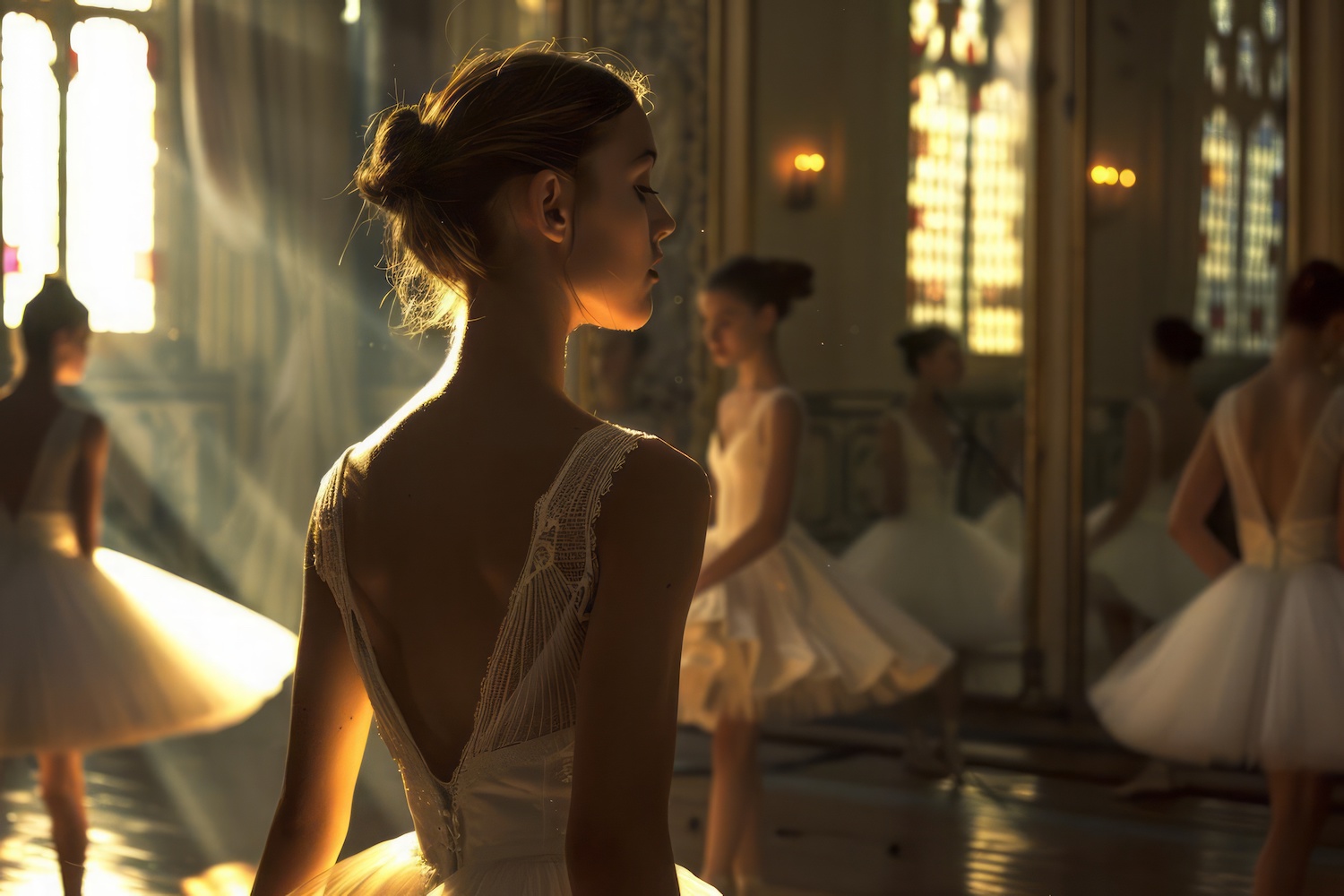
Short answer: allegro means the fast, jumping steps in ballet. It’s the part of class where you’re up in the air, moving quick, and trying to look weightless while doing it. The word comes from the Italian “allegro,” which means cheerful or brisk, and honestly that’s the whole vibe. Light, lively, and a little bit like flying.
So if your teacher calls “allegro” and everyone perks up, now you know why. Let’s break down what it actually is, the two main kinds, and how to make yours look effortless.
What Is Allegro in Ballet?
In ballet, allegro is the name for the fast, lively movements you do during the jumping sections of class. The steps are quick, they take a ton of coordination, and they’re built to look light and joyful even when they’re hard.
The easiest way to get it is to compare it to its opposite. Adagio (say it “ah-DAH-jo”) is the slow, controlled, deliberate stuff, the balances and long extensions. Allegro is the other end of the speed dial: fast, springy, and busy. Same class, totally different gears.
The Two Types of Allegro
Allegro splits into two main groups: petit allegro and grand allegro. “Petit” just means small and “grand” means big, so the names are doing you a favor here. Both need energy and control, they just work at different sizes.
- Petit allegro (small jumps): the quick, compact ones like jeté, assemblé, and glissade. These are small but fast, and they’re all about sharp, clean footwork. There’s basically no room to be sloppy, which is what makes them such a good test of precision.
- Grand allegro (big jumps): the large, sweeping ones like the grand jeté (a big leap with the legs split in the air) and the saut de chat (literally “cat’s jump”). These are the showstoppers. They cover a lot of ground and they mix real power with grace, so the trick is staying fluid and elegant even while you’re going full send.
How to Make Your Allegro Look Effortless
Good allegro isn’t just jumping high or moving fast. There’s a lot of quiet technique underneath that makes the whole thing look easy. Here’s what actually helps:
- Use your plié. A deep, controlled plié (that bend in your knees before and after a jump) is where your power comes from, and it’s also what cushions your landing so you come down soft instead of with a thud.
- Engage your core. Your center is what keeps you balanced and holds your lines clean while everything’s moving fast. Switch it on and the rest gets easier.
- Go for lightness, not height. It’s tempting to try to jump as high as possible, but that usually just gets you heavy landings. Think about pushing off the floor with energy and coming back down gently. The goal is to look like you’re flying, not thudding.
- Stay with the music. Allegro is tied to the music, and it’s usually fast. Timing your jumps to the beat makes everything sharper and helps you actually connect to the rhythm instead of chasing it.
Allegro Beyond Ballet
Allegro lives mostly in ballet, but the idea travels. In jazz and contemporary, those quick, sharp jumps and fast transitions often get called allegro too. The technique looks a little different depending on the style, but the core idea (light, quick, full of energy) stays the same wherever you find it.
The Takeaway
Allegro is ballet’s fast, jumpy side, and it’s one of the best parts to watch and to dance. It’s challenging, sure, but there’s nothing like the moment a tricky allegro combination finally clicks and the timing, the technique, and the music all line up at once. Those are usually the sections that stick with you in a performance, the ones where the dancers look like they’ve quietly decided gravity is optional.
So next time “allegro” gets called in class, you’ll know exactly what’s coming. Time to jump.
Good to know
Frequently Asked Questions
What does allegro mean in ballet?
Allegro means the fast, lively, jumping steps in ballet, the ones usually done in the jumping part of class. The word comes from the Italian for cheerful or brisk, and that's exactly what the movements are going for: light, quick, and full of energy.
What is the difference between petit allegro and grand allegro?
Petit allegro is the small, quick jumps like jeté, assemblé, and glissade that need sharp, clean, precise footwork. Grand allegro is the big, sweeping jumps like the grand jeté and saut de chat that travel across the floor and cover a lot of ground.
How is allegro different from adagio?
Allegro is the quick, lively jumps done at speed. Adagio is the opposite pace, the slow, controlled, deliberate movements in class. If allegro is the sprint, adagio is the long, steady hold.
How can you improve your allegro?
Use a deep, controlled plié to power your jumps and cushion your landings, engage your core for balance and clean lines, aim for lightness instead of height, and time your jumps to the music so your musicality is strong.
Is allegro only used in ballet?
No. Allegro is most associated with ballet, but its ideas of lightness and speed show up in jazz and contemporary too, where quick, sharp jumps and fast transitions often get called allegro movements. The technique shifts a little, but the lively, energetic feel is the same.