Discover
From Tutu to Today: The Evolution of Ballet Costumes
When most people think of ballet, the image that probably comes to mind is a dancer in a pristine tutu, pointe shoes, and a sleek bun.
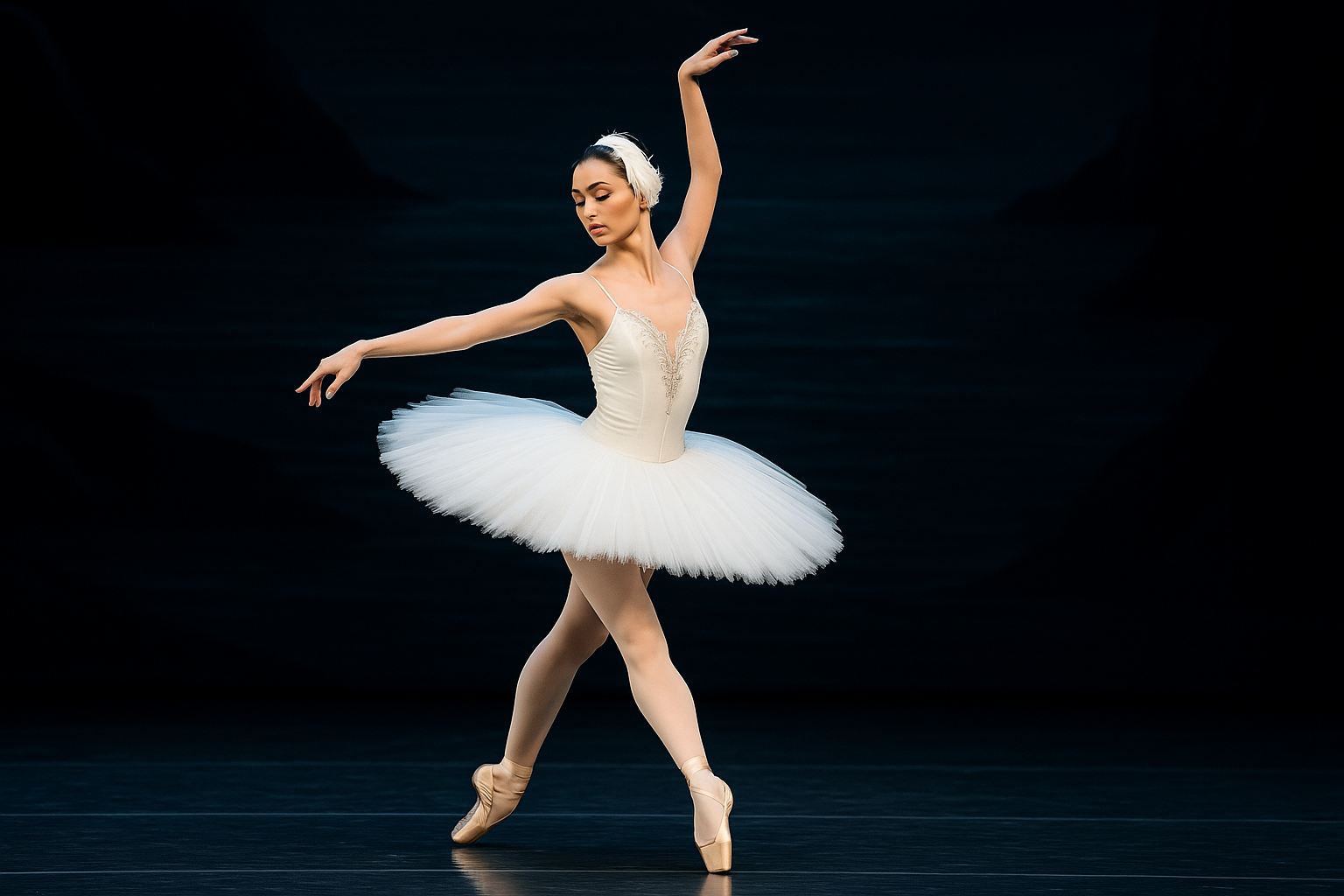
When most people think of ballet, the image that probably comes to mind is a dancer in a pristine tutu, pointe shoes, and a sleek bun. But ballet costumes haven’t always looked the way they do today. As a dancer who has spent years both on stage and behind the scenes, I can tell you that the evolution of ballet costumes is a fascinating story of artistry, practicality, and changing cultural tastes.
Why Ballet Costumes Matter
Costumes in ballet do so much more than make a dancer look beautiful. They:
- Reflect the era and story being performed
- Enhance the dancer’s line and movement
- Help set the mood and aesthetic of the production
- Allow (or restrict!) freedom of movement
Understanding the history of ballet costumes gives you deeper insight into how ballet itself has evolved.
The Early Days: Heavy and Elaborate
In the 16th and 17th centuries, ballet began as a court dance in France and Italy. Dancers performed in heavy, ornate costumes inspired by royal fashion—think corsets, hoop skirts, and heeled shoes. These early costumes looked stunning but were incredibly restrictive. Movement was limited, and dancers couldn’t perform the high leaps and intricate footwork we associate with ballet today.
The Romantic Era: Enter the Tutu
The early 19th century marked a turning point in ballet costume design. During the Romantic era, the iconic Romantic tutu was introduced—long, flowing skirts made of tulle that allowed dancers to move more freely. One of the first ballerinas to wear this style was Marie Taglioni in La Sylphide (1832).
The Romantic tutu created a sense of lightness and ethereality, reinforcing the supernatural themes popular in ballets of the time. It was also the beginning of ballet costuming designed to highlight the dancer’s movement, rather than hide it.
The Classical Tutu Takes Over
By the late 19th century, under the influence of choreographers like Marius Petipa in Russia, ballet costumes evolved again. Enter the Classical tutu—shorter, stiffer, and pancake-like, designed to expose the legs and showcase the dancer’s footwork and technique.
If you’ve ever seen a production of Swan Lake or The Sleeping Beauty, you’ve likely admired the elaborate classical tutus, sparkling with crystals and embroidery. These costumes became a signature of Imperial Russian Ballet, with a focus on precision and grandeur.
Modern Ballet Costumes: Function Meets Minimalism
Fast forward to the 20th and 21st centuries, and you’ll see ballet costumes continue to evolve alongside contemporary choreography. Today, many choreographers opt for simple leotards, unitards, or flowing dresses, depending on the narrative and aesthetic of the piece.
Contemporary ballet companies, like BalletCollective and The TL Collective, mentioned in our Spotlight on Emerging Ballet Companies article, often use minimalist costumes to allow the audience to focus on the movement itself.
How Costume Design Impacts Performance
Having danced in everything from a stiff, classical tutu to bare-foot contemporary costumes, I can personally tell you—what you wear affects how you move. Here’s how:
- Weight & Flexibility: The lighter the costume, the easier it is to move dynamically.
- Structure & Shape: A classical tutu changes how you hold yourself, almost forcing you to maintain perfect posture.
- Expression: Simple costumes allow for a more raw, human expression, while elaborate costumes reinforce fantasy and storytelling.
The Future of Ballet Costumes
Today, many designers and companies are pushing boundaries with:
- Gender-neutral costumes
- Environmentally conscious materials
- Collaborations with fashion designers (balletcore, anyone?)
Costumes will always play an essential role in ballet’s storytelling. But as the art form becomes more inclusive and forward-thinking, costume design continues to evolve to reflect those values.
Learn More About Ballet’s Evolution
If you’re interested in how ballet itself has transformed over the years—not just its costumes—you’ll enjoy our deep dive on The Evolution of Ballet: Tradition Meets Modern Storytelling.
Good to know
Frequently Asked Questions
How have ballet costumes changed over time?
Ballet costumes evolved from heavy, restrictive court dress in the 16th and 17th centuries to the flowing Romantic tutu, then the shorter Classical tutu, and finally modern minimalist leotards and unitards. Each shift reflected changing choreography, storytelling, and cultural tastes.
When was the tutu first introduced?
The Romantic tutu was introduced in the early 19th century, with Marie Taglioni among the first ballerinas to wear the style in La Sylphide in 1832. Its long, flowing tulle skirts let dancers move more freely and reinforced supernatural, ethereal themes.
What is the difference between a Romantic tutu and a Classical tutu?
The Romantic tutu is long and flowing, creating a sense of lightness, while the Classical tutu is shorter, stiffer, and pancake-like to expose the legs and showcase footwork. The Classical tutu emerged in the late 19th century under choreographers like Marius Petipa.
Why did early ballet costumes limit movement?
Early ballet costumes were inspired by royal fashion and included corsets, hoop skirts, and heeled shoes, which looked stunning but were incredibly restrictive. They prevented the high leaps and intricate footwork associated with ballet today.
How does a costume affect a dancer's movement?
The lighter the costume, the easier it is to move dynamically, while a structured classical tutu changes how you hold yourself and almost forces perfect posture. Simple costumes also allow more raw, human expression, whereas elaborate ones reinforce fantasy and storytelling.